

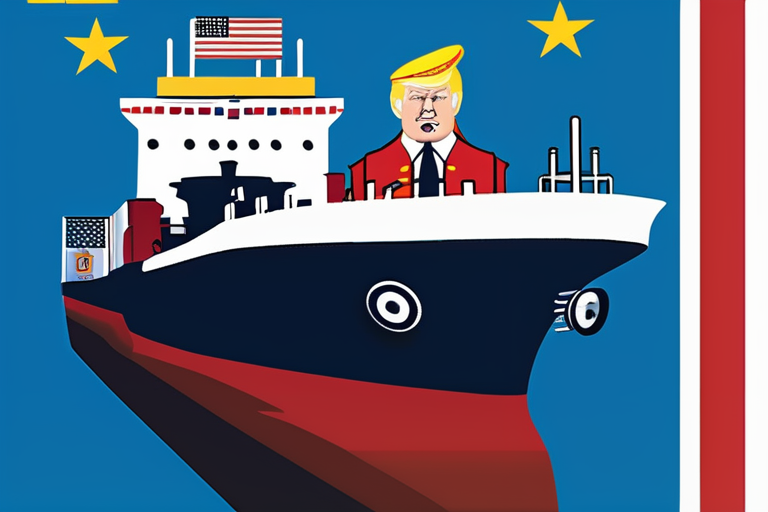
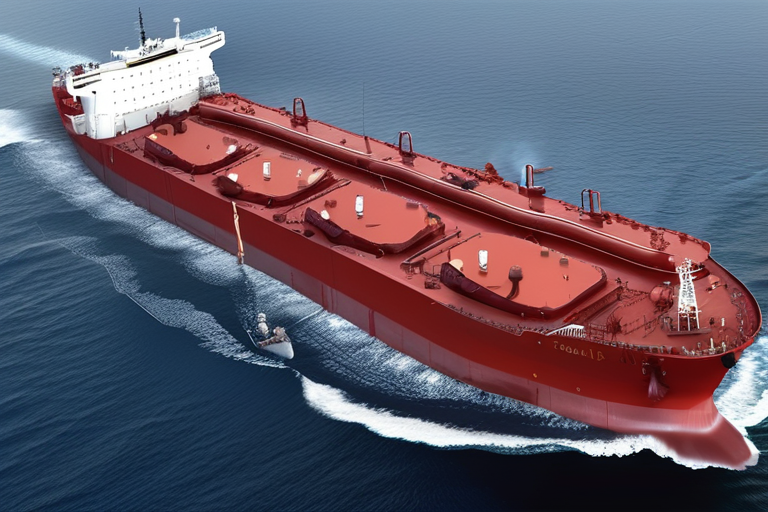
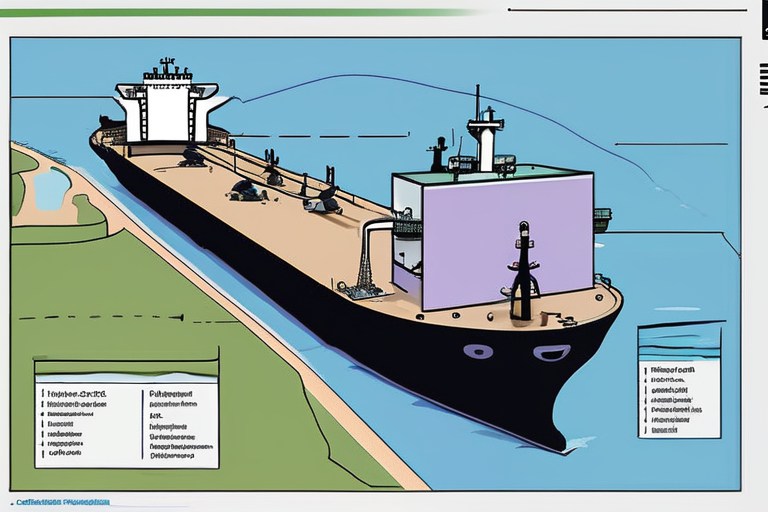
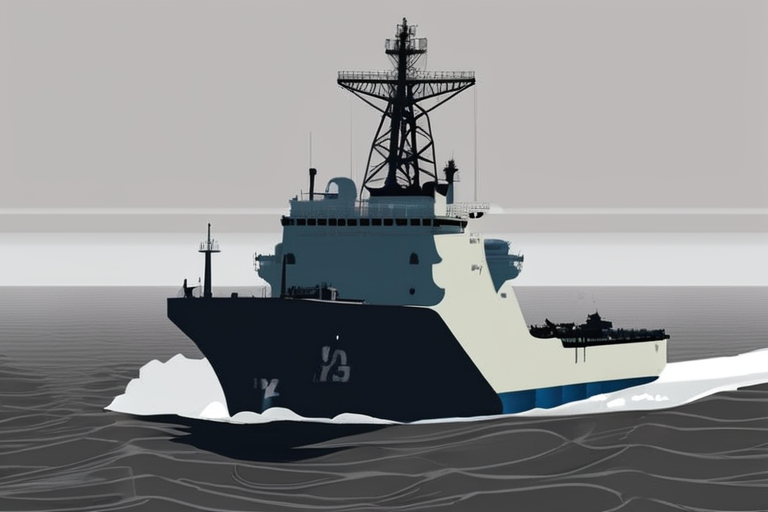
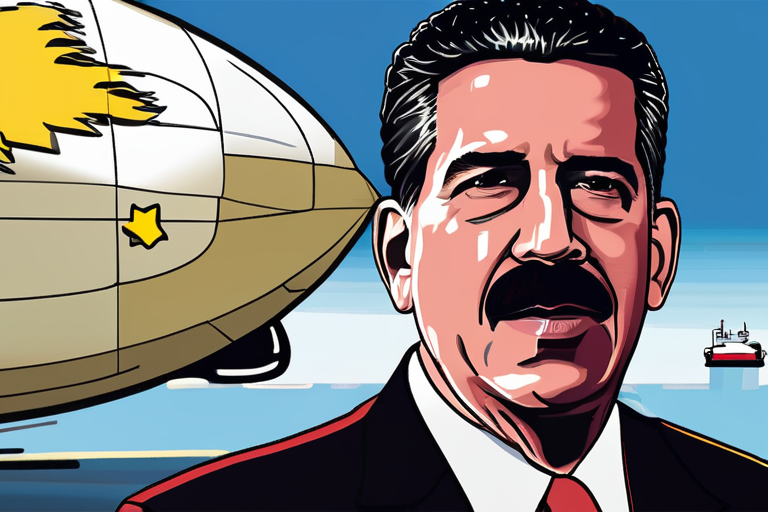
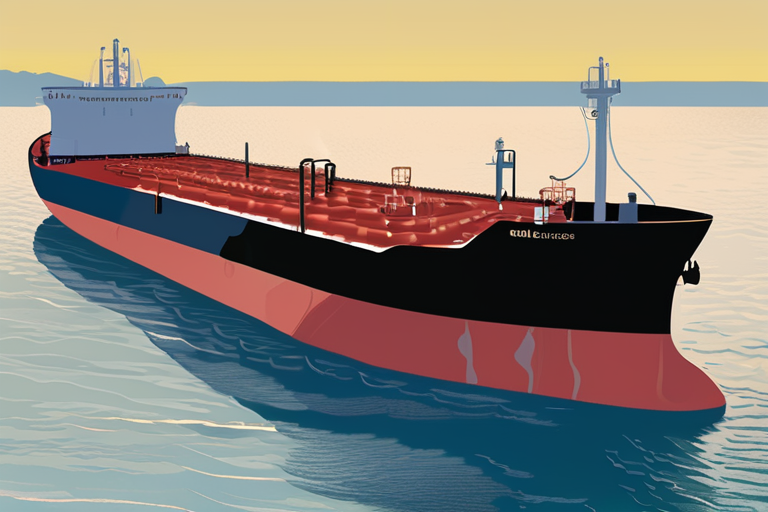
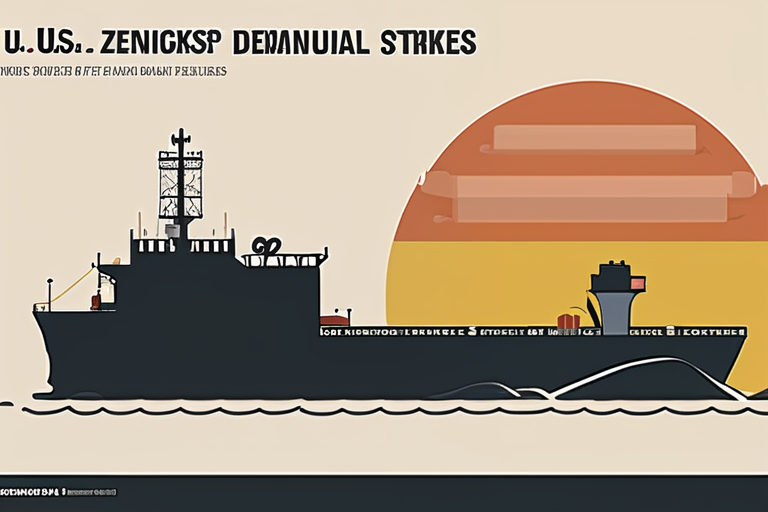
The Trump administration's latest move against Venezuela has shed light on the growing global shadow economy, with a significant escalation in the campaign targeting the country's oil tankers. On December 10, 2025, the US seized a sanctioned ship off the coast of Venezuela, prompting the White House to announce plans to target more oil tankers in the region.
According to estimates, the global shadow economy, which includes illicit activities such as smuggling and money laundering, is estimated to be worth over $2 trillion annually, with a significant portion of it linked to Venezuela's oil industry. The country's oil exports, which were valued at $24.5 billion in 2024, have been a major source of revenue for the Maduro government, despite US sanctions and a decline in global oil prices.
The seizure of the sanctioned ship is the latest in a series of moves by Western governments to crack down on the global shadow economy. In 2024, the European Union imposed sanctions on several Venezuelan officials and entities, while the US has been actively targeting oil tankers and shipping companies suspected of involvement in illicit activities.
The global shadow economy has significant implications for the oil industry, with many companies struggling to navigate the complex web of sanctions, regulations, and illicit activities. According to a report by the International Chamber of Commerce, the global shadow economy costs the oil industry an estimated $100 billion annually in lost revenue and increased costs.
The Venezuelan oil industry has been particularly affected by the growing global shadow economy, with many companies and individuals involved in illicit activities. In 2024, the country's oil production declined by 20% due to a combination of US sanctions, a decline in global oil prices, and the impact of the global shadow economy.
The Trump administration's latest move against Venezuela is likely to have significant implications for the oil industry, with many companies and individuals involved in the global shadow economy facing increased scrutiny and potential sanctions. The move is also likely to have a significant impact on the global economy, with many countries and companies reliant on Venezuelan oil exports.
As the global shadow economy continues to grow, it is likely to have significant implications for the oil industry and the global economy. The Trump administration's latest move against Venezuela is a significant escalation in the campaign to crack down on the global shadow economy, and it is likely to have far-reaching consequences for the oil industry and the global economy.
In the coming months, the oil industry is likely to face increased scrutiny and regulation, as governments and international organizations work to crack down on the global shadow economy. Companies and individuals involved in illicit activities are likely to face increased penalties and sanctions, while those that comply with regulations and laws are likely to benefit from increased trade and investment opportunities.
The global shadow economy is a complex and multifaceted issue, with many countries and companies involved in illicit activities. However, with the Trump administration's latest move against Venezuela, it is clear that the global shadow economy is a major concern for the oil industry and the global economy. As the industry continues to navigate the complex web of sanctions, regulations, and illicit activities, it is likely to face significant challenges and opportunities in the coming months and years.
US Seizes Sanctioned Ship in Escalating Venezuela Oil Tanker Campaign
1
0

Multi-Source Journalism
This article synthesizes reporting from multiple credible news sources to provide comprehensive, balanced coverage.












Share & Engage Share
Share this article