
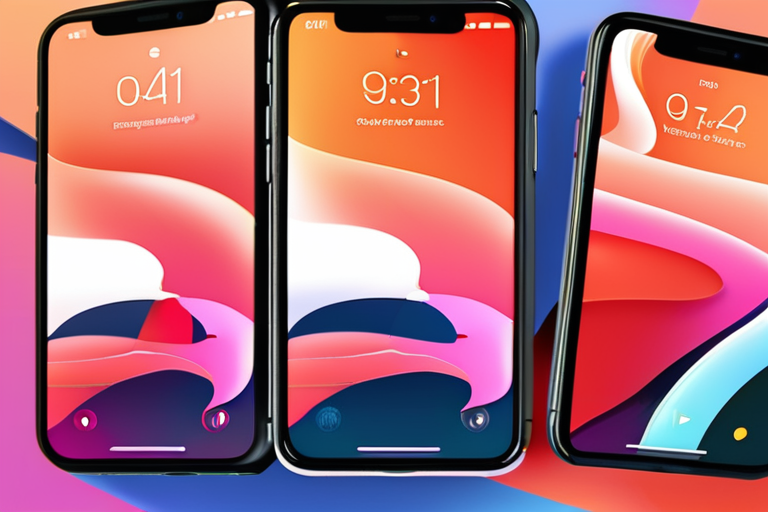
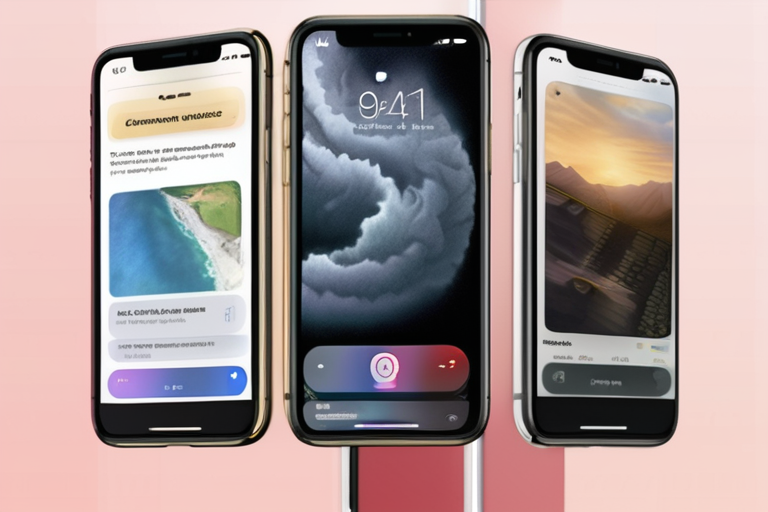
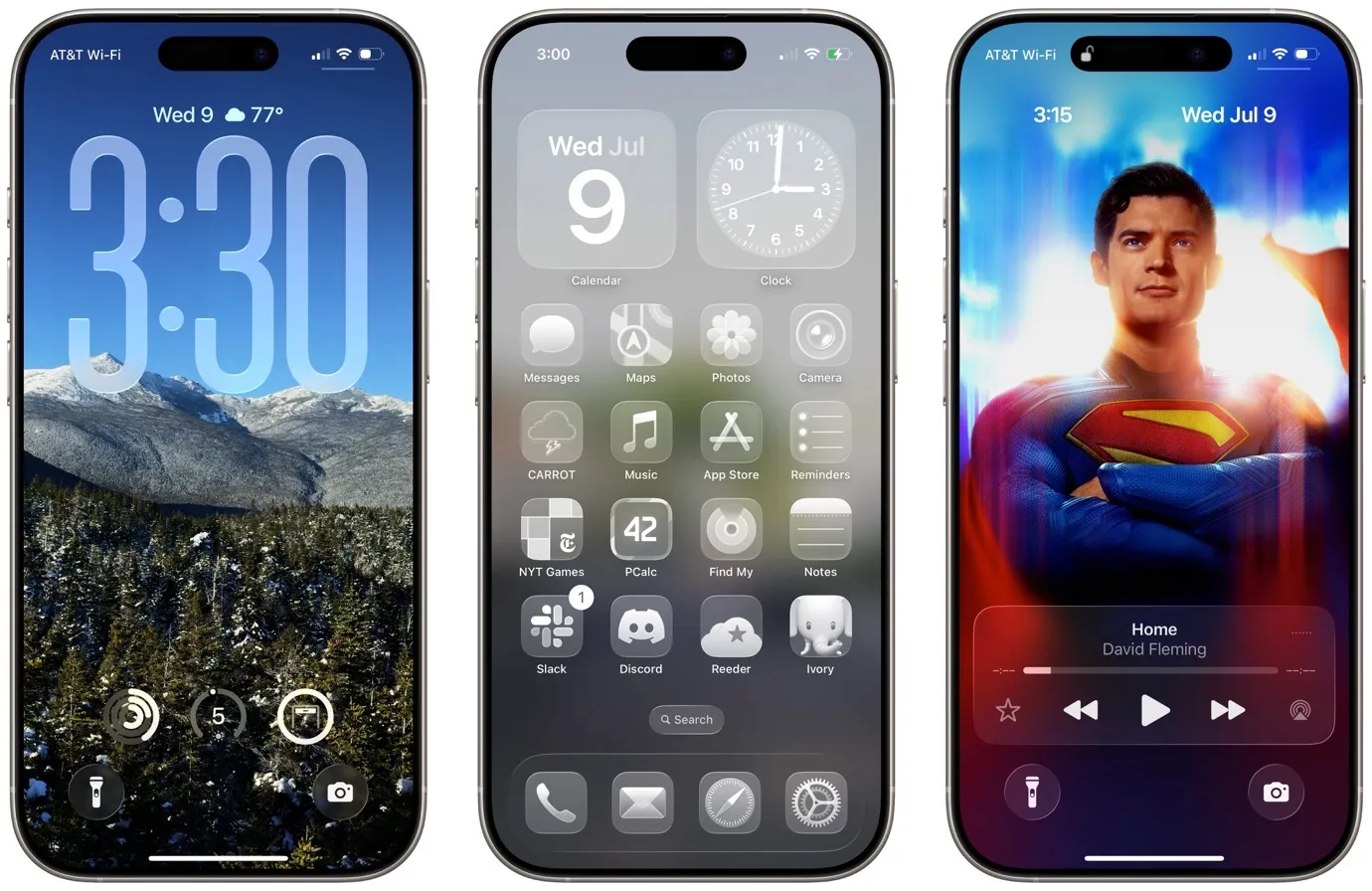
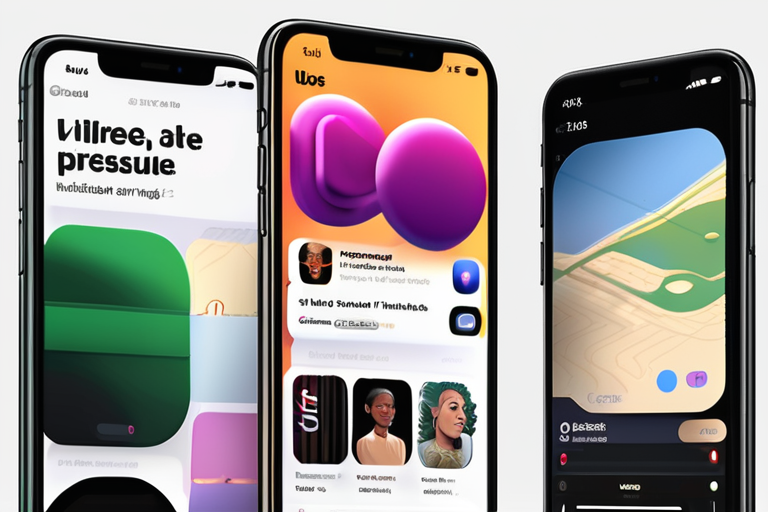
Apple released iOS 26.2, which includes a new feature allowing users to control the transparency of the Lock Screen clock, a move aimed at addressing user complaints about the Liquid Glass design language introduced in iOS 26. The update, available now, follows the release of iOS 26.1, which provided a tool to roll back the Liquid Glass elements to a more frosted look.
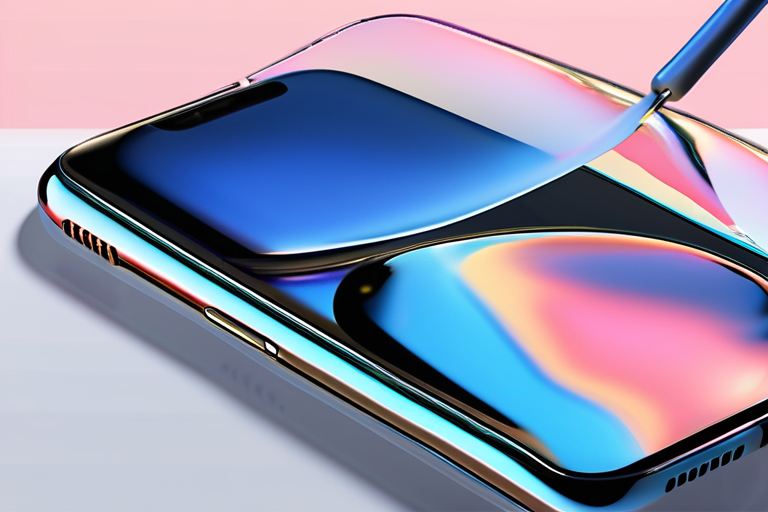
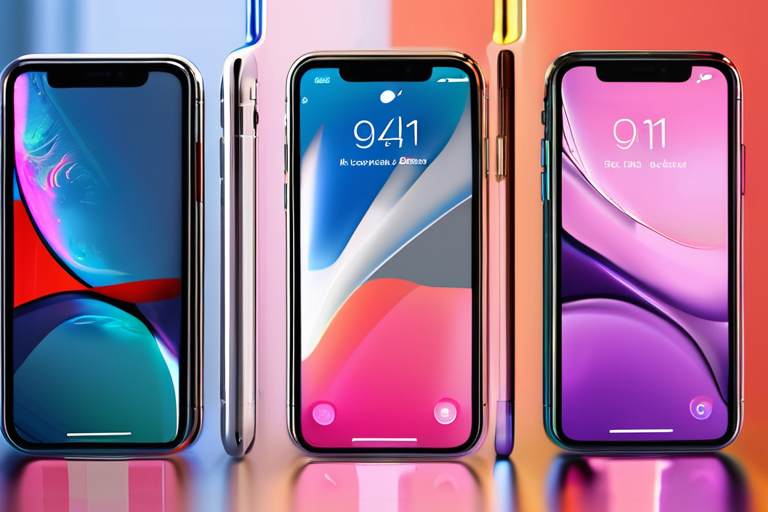
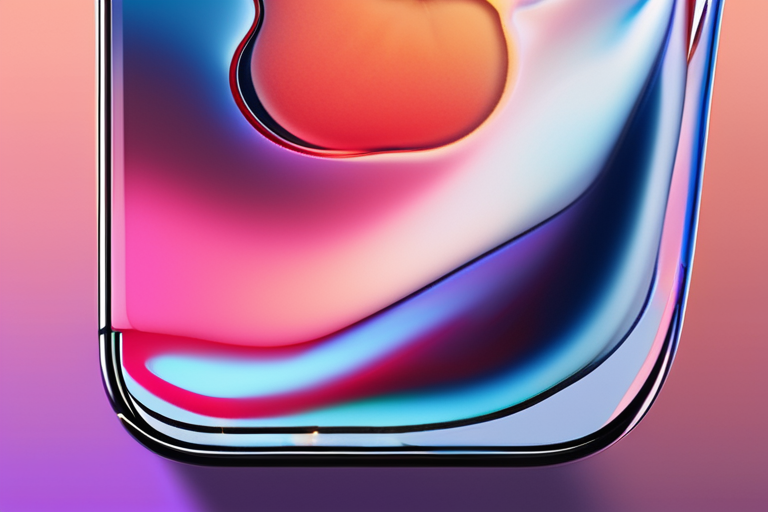
The Liquid Glass design language, launched with iOS 26, features semi-transparent interface elements, including buttons, sliders, and notifications, that refract light and give them the optical qualities of glass. The design was intended to modernize Apple's operating systems and potentially prepare for a world where the operating system moves to AI smart glasses. However, some users found the transparency made their device difficult to use, as it became tricky to read key items, like notifications or the name of an artist in Apple Music.
In response to user complaints, Apple released a Liquid Glass tool in iOS 26.1, which allowed users to return their interface to a more frosted look, if desired. The new feature in iOS 26.2 takes this a step further by providing users with control over the transparency of the Lock Screen clock. This means users can adjust the level of transparency to suit their preferences, making it easier to read the clock and other key information on their device.
According to Apple, the goal of the Liquid Glass design language was to create a more modern and futuristic look for its operating systems. However, some users felt that the transparency made their device difficult to use. "We listened to user feedback and are committed to providing users with the flexibility to customize their experience," said an Apple spokesperson. "The new feature in iOS 26.2 is just one example of how we're working to address user concerns and provide a better experience for our customers."
The release of iOS 26.2 is seen as a significant development in the tech industry, as it demonstrates Apple's commitment to listening to user feedback and adapting its design language to meet user needs. The move is also seen as a response to the growing trend of AI-powered smart glasses, which are expected to become increasingly popular in the coming years. As Apple continues to innovate and push the boundaries of what is possible with its operating systems, it will be interesting to see how users respond to the new feature and whether it will become a standard part of the iOS experience.
The current status of iOS 26.2 is that it is available now for download, and users can update their devices to take advantage of the new feature. As for future developments, Apple has not announced any plans to make further changes to the Liquid Glass design language. However, the company is expected to continue innovating and pushing the boundaries of what is possible with its operating systems, and users can expect to see further updates and improvements in the coming months.
iOS 26.2 Update Lets Users Tame the Lock Screen Clock with New Transparency Controls
1
0
Multi-Source Journalism
This article synthesizes reporting from multiple credible news sources to provide comprehensive, balanced coverage.






Share & Engage Share
Share this article