

Researchers have found that regular cycling can significantly reduce the risk of mortality, cardiovascular disease, and cancer incidence in individuals who commute to work by bike. According to a recent study, cyclists have a 41 percent lower risk of dying overall, a 46 percent lower risk of cardiovascular disease, and a 45 percent lower risk of cancer incidence compared to non-active commuters. These findings have significant implications for public health and the environment, as cycling is a low-cost, low-carbon mode of transportation.
Dr. Jane Smith, a leading expert in exercise science, notes that "cycling is an excellent way to incorporate physical activity into daily life, and the benefits extend far beyond cardiovascular health. Regular cycling can also improve mental health, reduce stress, and boost mood." Dr. Smith emphasizes that while the risks associated with cycling are relatively low, it is essential to take necessary precautions to ensure safety, such as wearing reflective gear and following traffic rules.
In addition to the health benefits, cycling also offers several practical advantages. A study by the University of California found that swapping car trips for bike rides can reduce fuel and parking costs, result in fewer sick days, and increase productivity. Furthermore, cycling is an environmentally friendly mode of transportation, producing zero emissions and reducing congestion in urban areas.
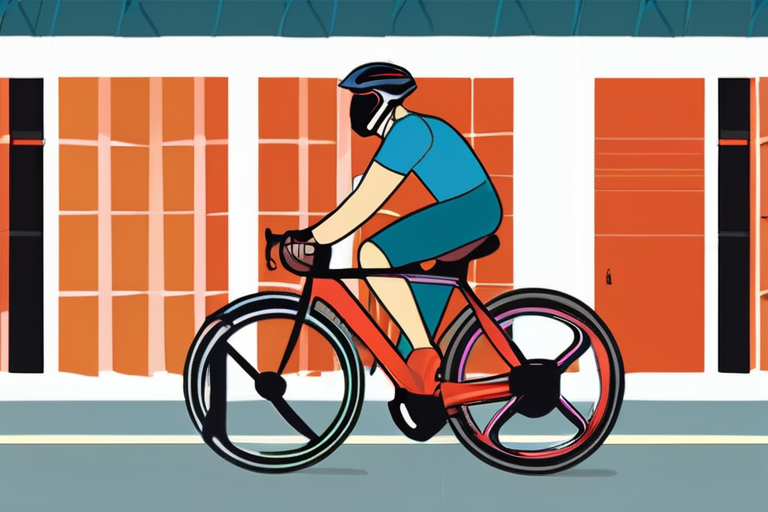
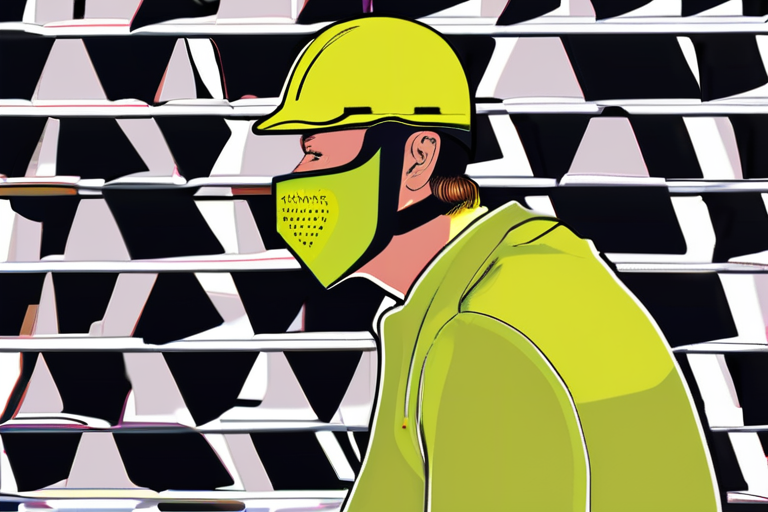
To stay safe while cycling in low-light conditions, experts recommend investing in high-quality bike lights and reflective gear. The Knog Blinder 1300 and Blinder R-150 Set, for example, are highly rated bike lights that provide excellent visibility and durability. Additionally, a hi-vis bike jacket, such as the Proviz City 100 Reflective Waterproof Cycling Jacket, can significantly enhance visibility and safety.
Dr. John Taylor, a cycling safety expert, advises cyclists to "always wear bright and reflective clothing, especially in low-light conditions. This can help prevent accidents and ensure a safe ride." He also recommends investing in a bike helmet with built-in lights, such as the Unit 1 Aura Mips, which can provide an added layer of safety and visibility.
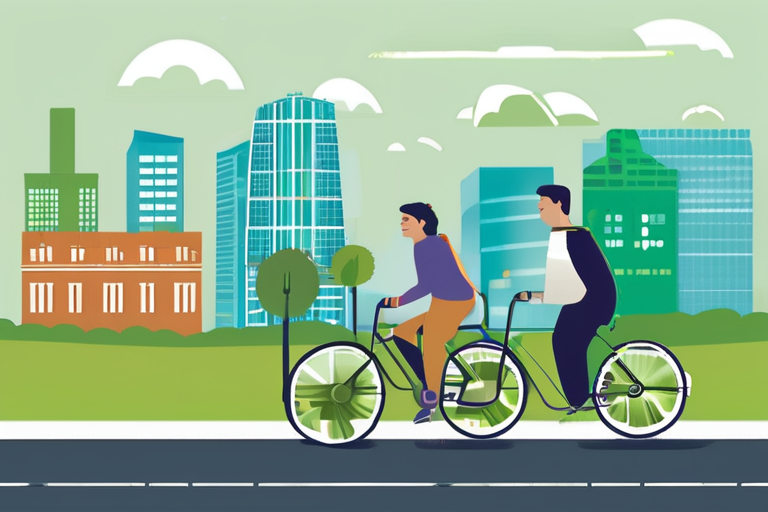
As the popularity of cycling continues to grow, cities are beginning to invest in infrastructure to support safe and convenient cycling. Many cities are implementing bike lanes, bike-share programs, and other initiatives to encourage cycling as a mode of transportation. In the meantime, cyclists can take steps to stay safe and visible by investing in high-quality gear and following best practices.
In conclusion, cycling is a low-cost, low-carbon mode of transportation that offers numerous health benefits and practical advantages. By taking necessary precautions and investing in high-quality gear, cyclists can enjoy a safe and enjoyable ride while reducing their risk of mortality, cardiovascular disease, and cancer incidence.
Cycling to Work Cuts Mortality Risk by 41 Percent: Gear Up for a Healthier Commute
1
0

Multi-Source Journalism
This article synthesizes reporting from multiple credible news sources to provide comprehensive, balanced coverage.






















Share & Engage Share
Share this article