

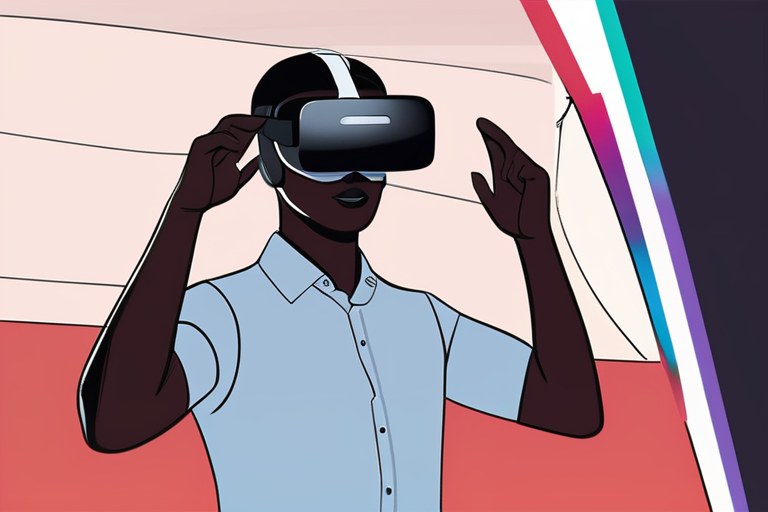
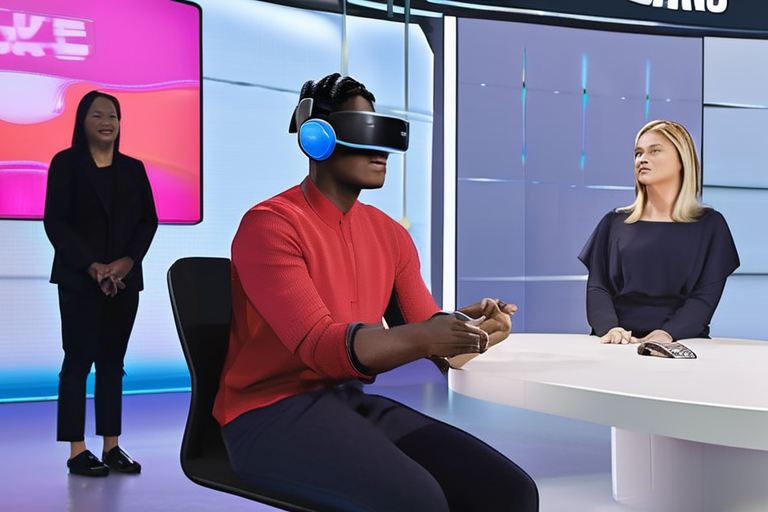
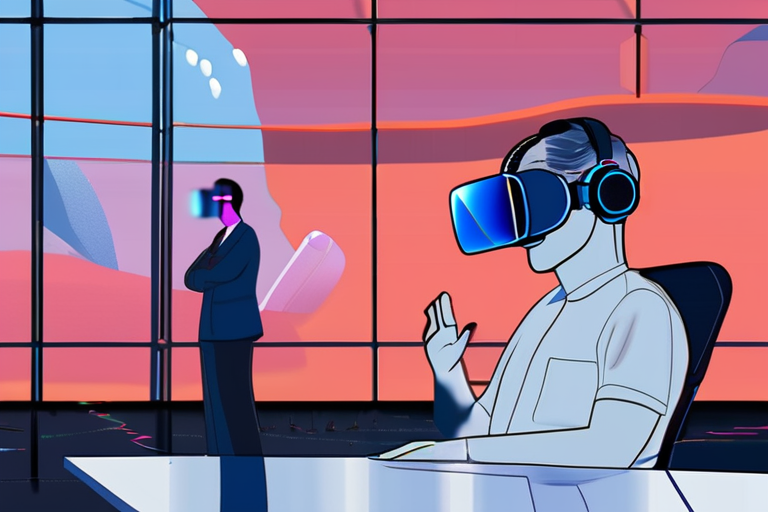
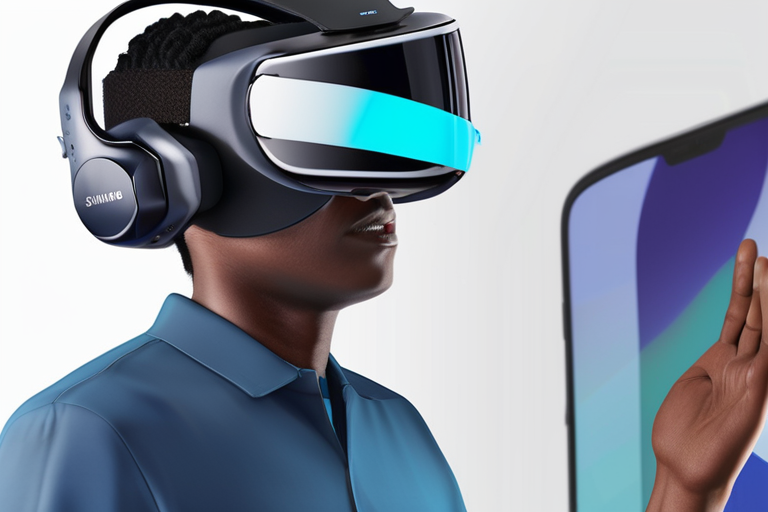
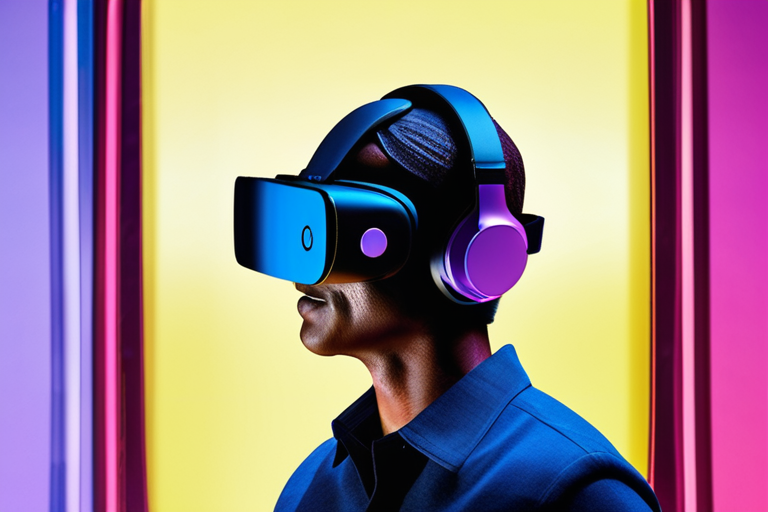
The Galaxy XR, powered by Samsung's M5 processor, boasts sharp, colorful micro-OLED displays and access to Android apps. However, reviewers have noted that the headset is not particularly comfortable to wear, with some experiencing bugs and imprecise navigation. Furthermore, the virtual likeness feature has been criticized for its unflattering representation of users.
In a review, WIRED noted that the headset's lightweight design and immersive gaming capabilities are notable features, but the overall experience falls short of expectations. The publication stated, "None of these experiences has been so compelling that I want to wear a headset on my face for more than an hour." A similar sentiment was expressed by a reviewer who commented, "My Likeness looks like I'm on drugs."
The Galaxy XR's price point is significantly lower than the Vision Pro, but it still represents a substantial investment for consumers. Samsung's decision to price the headset at $1,800 may be seen as a strategic move to compete with Apple's premium offering. However, the company's Android XR experience still has room for improvement, according to reviewers.
Industry analysts have noted that the mixed reality headset market is still in its early stages, with both Samsung and Apple facing significant challenges in perfecting their respective products. As the market continues to evolve, consumers can expect to see further innovations and refinements in the coming months.
In the meantime, the Galaxy XR and Vision Pro remain two of the most high-profile offerings in the mixed reality space. While the Galaxy XR may lack polish in certain areas, its lower price point and access to Android apps make it an attractive option for consumers looking for a more affordable alternative to the Vision Pro.
Samsung Galaxy XR Challenges Apple Vision Pro with Sharp Displays, but Falls Short on Comfort
1
0
Multi-Source Journalism
This article synthesizes reporting from multiple credible news sources to provide comprehensive, balanced coverage.











Share & Engage Share
Share this article