

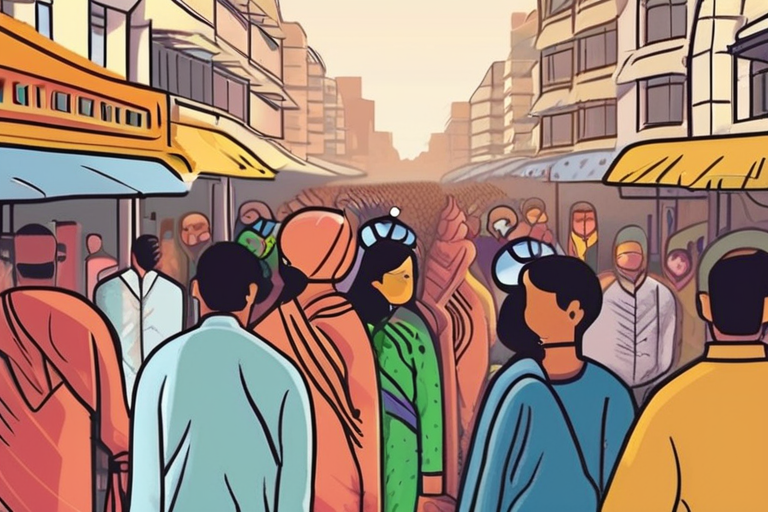
The city of New Delhi, once known for its vibrant streets and bustling markets, is now shrouded in a thick haze of pollution. For millions of residents, the air is no longer breathable, and the once-clear skies have turned a sickly shade of grey. The situation has become so dire that the Indian government has been forced to take drastic measures to curb pollution, halting construction across the city and imposing strict new regulations on industries.
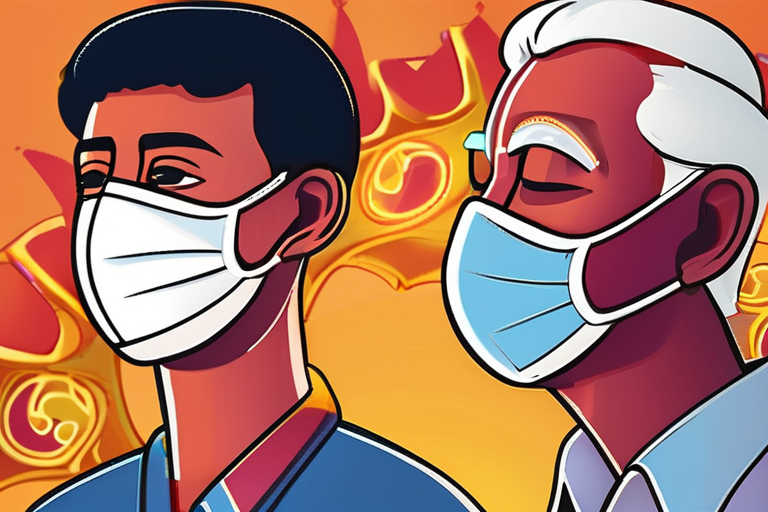
Behind the statistics and policy decisions lies a human story of struggle and resilience. For Rohan, a 35-year-old father of two, the pollution has become a daily struggle. His children, aged 7 and 9, suffer from chronic respiratory problems, and every morning, they wake up coughing and wheezing. "It's like they're fighting for every breath," Rohan says, his voice laced with worry. "I just want them to have a healthy childhood, but it seems like an impossible dream."
The situation in New Delhi is not unique. The city's pollution levels have been rising steadily over the past decade, with particulate matter (PM2.5) levels exceeding safe limits by a staggering 500%. The World Health Organization (WHO) estimates that air pollution causes over 1.2 million premature deaths worldwide each year, with India accounting for over 1.5 million of those deaths.
The Indian government has responded to the crisis with a series of measures aimed at reducing pollution. In 2020, the government introduced the Graded Response Action Plan (GRAP), which outlines a series of steps to be taken in response to pollution levels. The plan includes measures such as halting construction, banning diesel generators, and restricting the use of firecrackers.
However, the government's efforts have been hampered by a lack of enforcement and inadequate infrastructure. Many industries and construction sites continue to operate without proper permits, and the lack of effective monitoring systems means that pollution levels often go unreported.
In a bid to address these issues, the government has introduced a new set of regulations, which include stricter emission standards for industries and a ban on construction in areas with high pollution levels. The regulations also include provisions for increased penalties for non-compliance, with fines ranging from Rs 1 lakh to Rs 5 crore (approximately $13,000 to $65,000).
The impact of these regulations on the economy is a topic of debate. While some argue that the measures will lead to significant job losses and economic disruption, others believe that the long-term benefits will outweigh the short-term costs. "The pollution is a ticking time bomb, and we need to act now to avoid a health crisis," says Dr. Arvind Kumar, a leading expert on air pollution. "The regulations will certainly have an impact on the economy, but it's a small price to pay for the health and well-being of our citizens."
As the government continues to implement its pollution curbs, the city of New Delhi remains a battleground between economic growth and environmental protection. While the human cost of pollution is clear, the economic impact of the regulations remains a topic of debate. One thing is certain, however: the future of the city hangs in the balance, and the decisions made in the coming months will have far-reaching consequences for generations to come.
In a bid to mitigate the economic impact of the regulations, the government has announced a series of incentives for industries that adopt cleaner technologies and practices. The incentives include tax breaks, subsidies, and access to low-cost financing. The government has also set up a dedicated task force to help industries transition to cleaner technologies and practices.
As the city of New Delhi struggles to come to terms with its pollution crisis, the world watches with bated breath. Will the government's efforts be enough to curb pollution, or will the city continue to suffer from the effects of air pollution? Only time will tell, but one thing is certain: the future of New Delhi hangs in the balance, and the decisions made in the coming months will have far-reaching consequences for generations to come.
India Imposes Construction Halt, Tightens Pollution Controls in New Delhi
1
0

Multi-Source Journalism
This article synthesizes reporting from multiple credible news sources to provide comprehensive, balanced coverage.

















Share & Engage Share
Share this article