

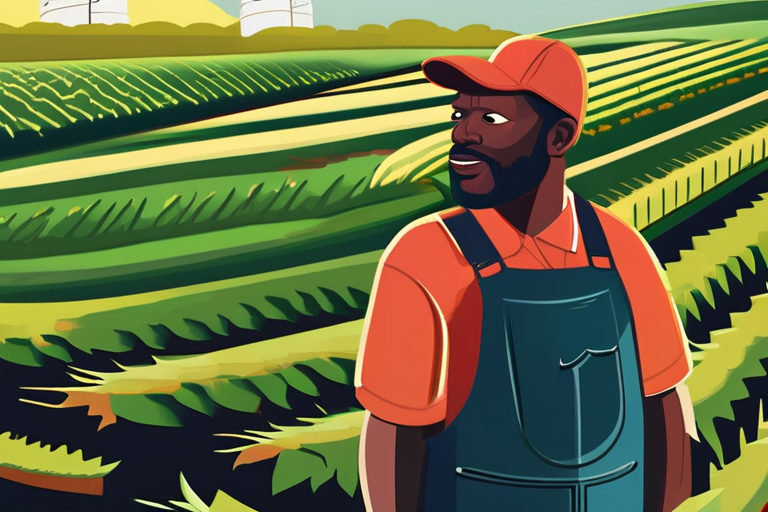
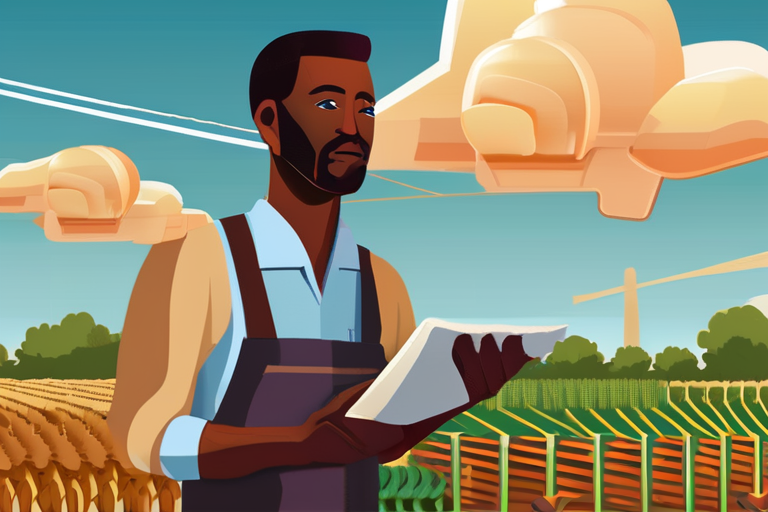
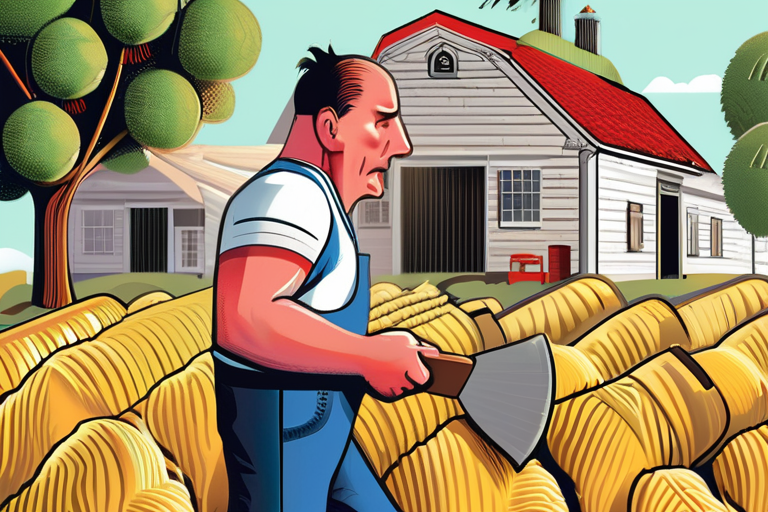
Shares of Black farmers in the United States have been plummeting due to the ongoing trade tensions and retaliatory tariffs imposed on U.S. commodities, leaving many struggling to make ends meet. According to James Davis, a third-generation Black row crop farmer from northeast Louisiana, the tariffs have made it nearly impossible for him and his fellow farmers to sell their crops at a price that covers the loans they take out to fund the growing season.
Davis, who had a record-breaking year in 2025 with an estimated 1,300 pounds of cotton, 50 bushels of soybeans, and 155 bushels of corn on 2,500 acres of his farmland, expressed his concerns about the impact of the tariffs on the farming community. "To have that kind of yield and still not be able to pay all your bills, it's just not right," Davis said. "We're talking about families, we're talking about livelihoods, and we're talking about a way of life that's been passed down for generations."
The tariffs, which were imposed in response to U.S. trade policies, have led to a significant decline in crop prices, making it difficult for Black farmers to break even. According to data from the U.S. Department of Agriculture, the average price of corn has dropped by 15% since the tariffs were implemented, while soybean prices have fallen by 20%. This decline in prices has resulted in a substantial decrease in revenue for Black farmers, who often rely on government subsidies and loans to fund their operations.
The situation has been exacerbated by the fact that many Black farmers lack access to credit and other resources, making it even more challenging for them to adapt to the changing market conditions. "We're not just talking about farmers, we're talking about communities that have been historically marginalized and excluded from the agricultural industry," said Dr. Rachel Bezner Kerr, a professor of community and rural development at Cornell University. "The impact of these tariffs is not just economic, it's also social and cultural."
Despite the challenges facing Black farmers, there is a glimmer of hope on the horizon. The U.S. government has announced plans to provide federal relief to farmers affected by the tariffs, including Black farmers. The relief package, which is still in the works, is expected to provide financial assistance to farmers who have been impacted by the tariffs.
As the situation continues to unfold, Black farmers like James Davis remain hopeful that the federal relief will come soon enough to help them stay afloat. "We're not looking for a handout, we're looking for a fair shot," Davis said. "We want to be able to farm our land, provide for our families, and contribute to the economy without being held back by policies that are not in our favor."
Black Farmers Face Uncertain Future as Tariff Relief Remains Elusive
1
0
Multi-Source Journalism
This article synthesizes reporting from multiple credible news sources to provide comprehensive, balanced coverage.











Share & Engage Share
Share this article