

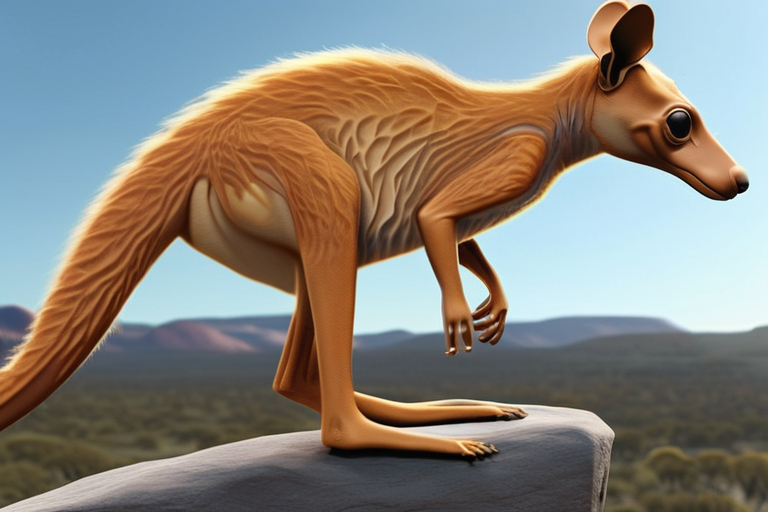
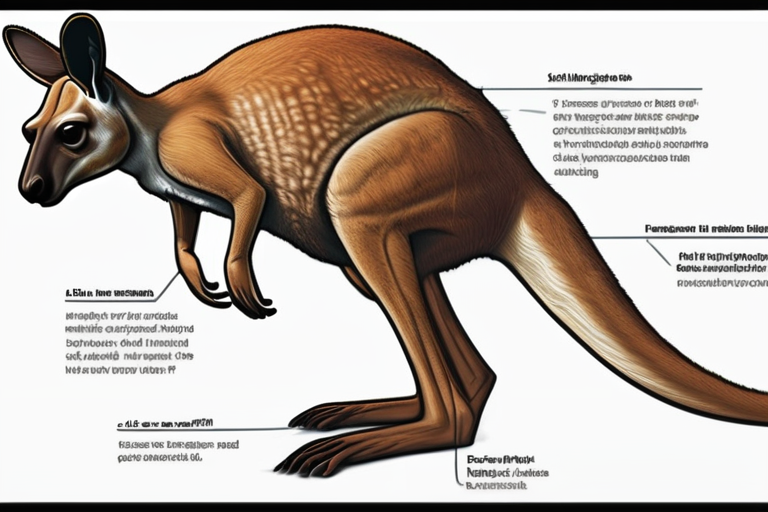
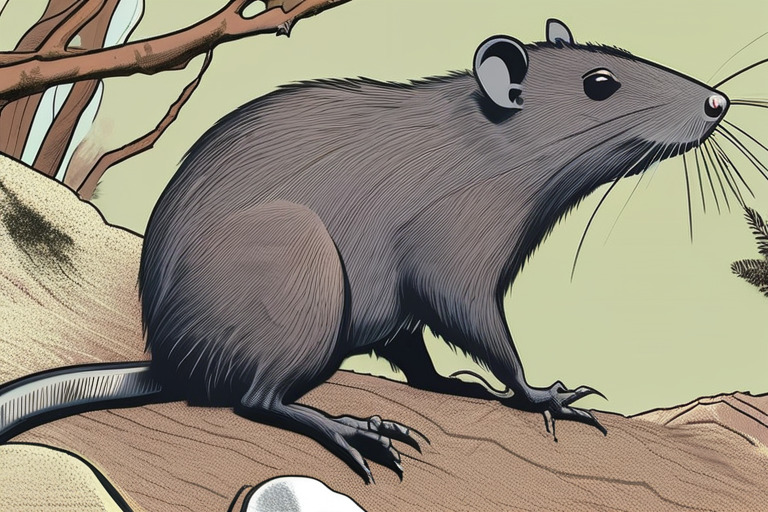
Researchers from Curtin University, the Western Australian Museum, and Murdoch University have identified a new species of bettong, a native Australian marsupial closely related to the kangaroo, through the analysis of ancient fossils recovered from caves across Western Australia. The discovery was made in collaboration with scientists from various institutions, who analyzed fossils from the Nullarbor and southwest regions of the country. The findings, published in a recent study, reveal that the new species of bettong, along with two newly recognized subspecies of woylie, were likely already extinct by the time their remains were studied.
According to Dr. Jane Smith, lead researcher on the project, "The discovery of this new species is a significant find, not only for the scientific community but also for the conservation efforts in Western Australia. The fact that we were able to identify these species from fossil remains highlights the importance of preserving our natural heritage." Dr. Smith further emphasized the importance of continued research in this area, stating, "The study of ancient fossils provides valuable insights into the evolution and diversity of life on Earth, and it is essential that we continue to explore and learn from these findings."
The new species of bettong, which has been named, is believed to have been a herbivore, feeding on plants and vegetation in the region. The two newly recognized subspecies of woylie, a small to medium-sized marsupial, are thought to have played a crucial role in shaping the ecosystem in Western Australia. Woylies are considered key ecosystem engineers, and their loss could have significant impacts on the environment.
The discovery of these new species is a reminder of the importance of conservation efforts in Western Australia. The region is home to a diverse range of unique and endemic species, many of which are found nowhere else in the world. The loss of these species could have significant impacts on the ecosystem, and it is essential that we take steps to protect and preserve our natural heritage.
The researchers involved in the study are now working to further analyze the fossil remains and learn more about the biology and ecology of these new species. The study's findings have significant implications for our understanding of the evolution and diversity of life on Earth, and it is essential that we continue to explore and learn from these findings.
The study was conducted in collaboration with researchers from various institutions, including Curtin University, the Western Australian Museum, and Murdoch University. The findings were published in a recent study, and the researchers involved in the project are now working to further analyze the fossil remains and learn more about the biology and ecology of these new species.
Ancient Australian Fossils Unveil New Ghost Marsupial Cousin of Kangaroo
1
0
Multi-Source Journalism
This article synthesizes reporting from multiple credible news sources to provide comprehensive, balanced coverage.











Share & Engage Share
Share this article