

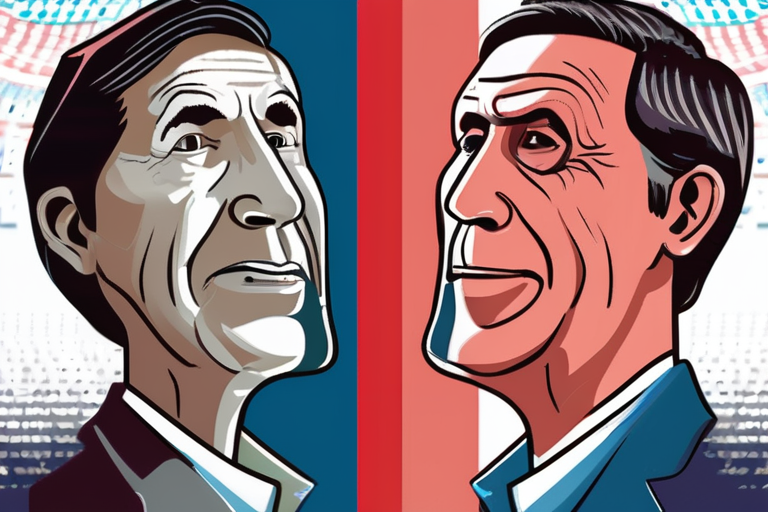
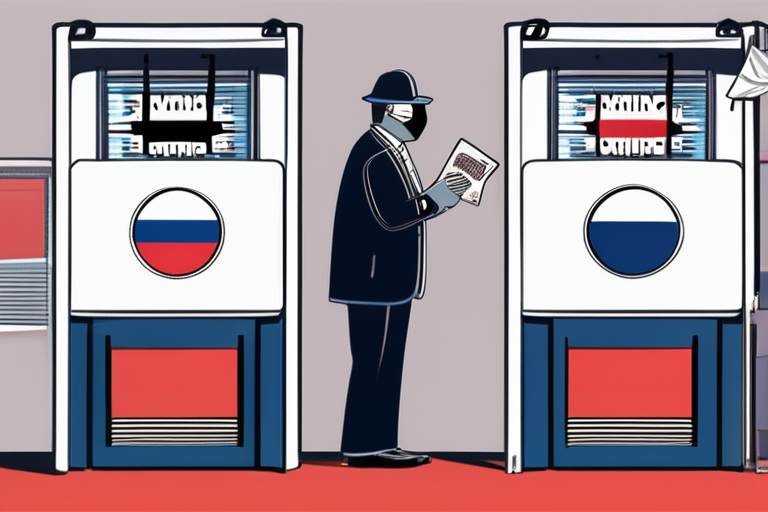
Chileans will head to the polls on Sunday for a presidential runoff vote, pitting a left-wing candidate against a conservative opponent in a deeply polarized election. José Antonio Kast, a father of nine with ideological roots in conservative Roman Catholicism and economic neoliberalism, is poised to win, according to recent polls. His victory as the candidate for the Republican Party of Chile would mark a sharp conservative shift in the country, positioning Chile to join a rightward swing that has swept other Latin American nations recently, including Argentina and Bolivia.
Kast's campaign has focused on issues such as security and immigration, which have become increasingly contentious in Chile. In a recent interview, Kast emphasized the need for a more robust approach to border control and law enforcement. "We need to take back our country's sovereignty and ensure that our borders are secure," Kast said. "This is not just a matter of immigration policy, but also a matter of national security."
Jeannette Jara, the candidate for the center-left who served as the labor minister in President Gabriel Boric's government and is a member of the Communist Party of Chile, has also campaigned on issues of security and immigration. However, her approach has been more focused on addressing the root causes of migration and promoting social welfare programs. "We need to address the underlying issues that are driving people to leave their homes and seek a better life elsewhere," Jara said. "This includes poverty, inequality, and lack of access to education and healthcare."
In the first round of voting last month, Jara secured 27 percent of the vote, while Kast came in second with 24 percent. The right-wing vote was split among at least three candidates, but polls predict that Kast will consolidate most of those votes in the runoff. The result will become clear only after voting ends on Sunday night.
The presidential election has been marked by a deepening divide between left and right in Chile. The country has been grappling with issues of economic inequality, social unrest, and a growing sense of insecurity. Kast's campaign has tapped into these concerns, promising a more robust approach to security and a return to traditional values. Jara, on the other hand, has emphasized the need for social welfare programs and a more inclusive approach to governance.
As Chileans prepare to head to the polls, many are left wondering what the outcome will mean for the country's future. "This election is not just about the candidates, but about the direction of the country," said Maria Rodriguez, a voter in Santiago. "We need to think carefully about the kind of Chile we want to build and the kind of leadership we need to get there."
The runoff vote on Sunday will determine the next president of Chile, a position that will have significant implications for the country's economic, social, and political trajectory. As the results become clear, one thing is certain: the outcome will have far-reaching consequences for Chile and its people.
Chileans Head to the Polls: Left and Right Clash in Polarized Presidential Runoff
1
0
Multi-Source Journalism
This article synthesizes reporting from multiple credible news sources to provide comprehensive, balanced coverage.




















Share & Engage Share
Share this article