

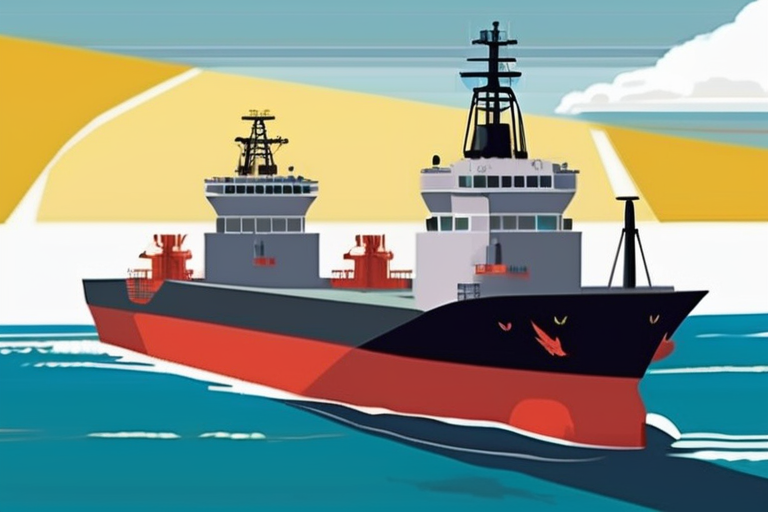
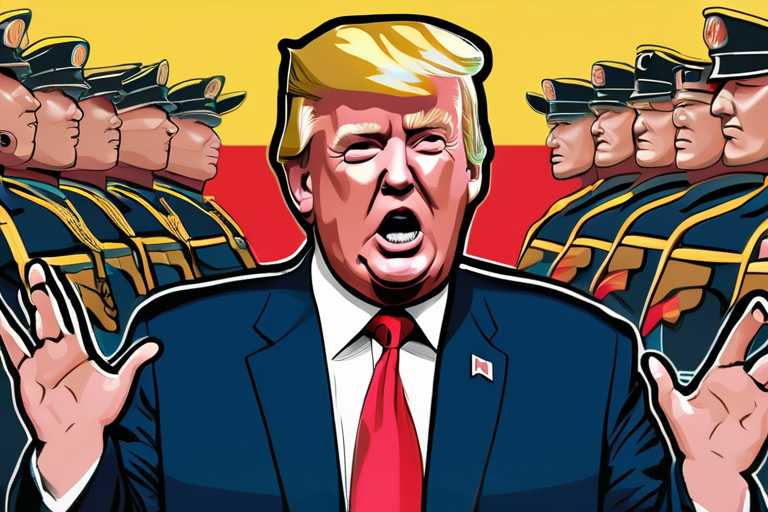
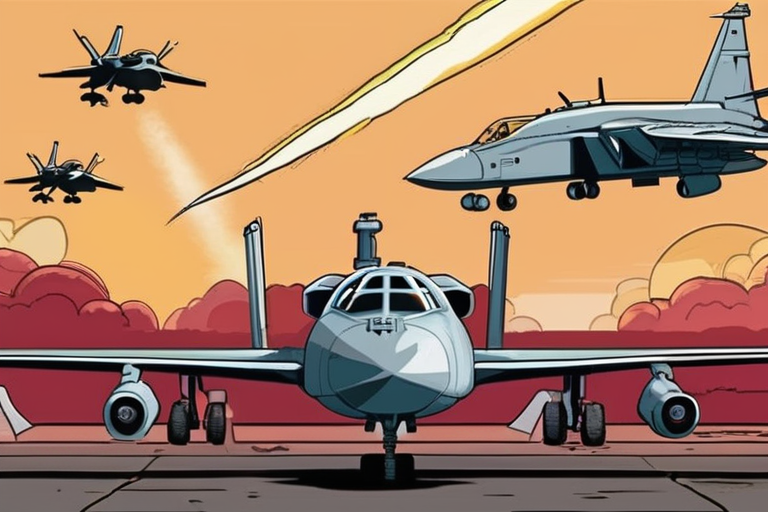
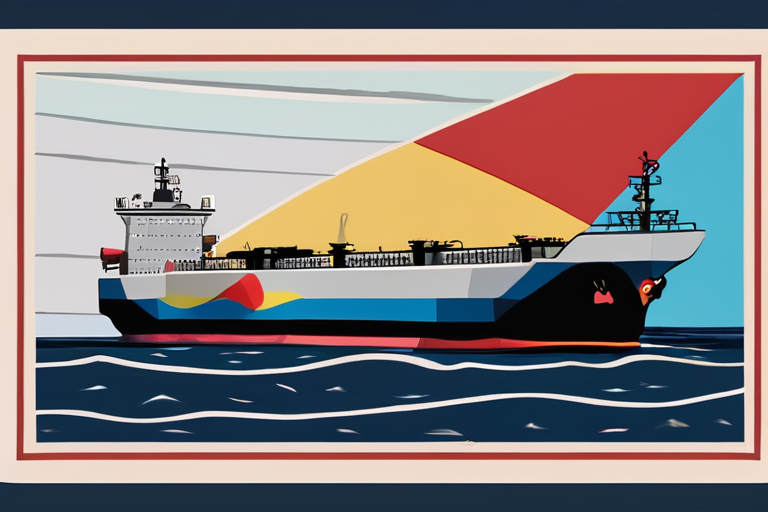
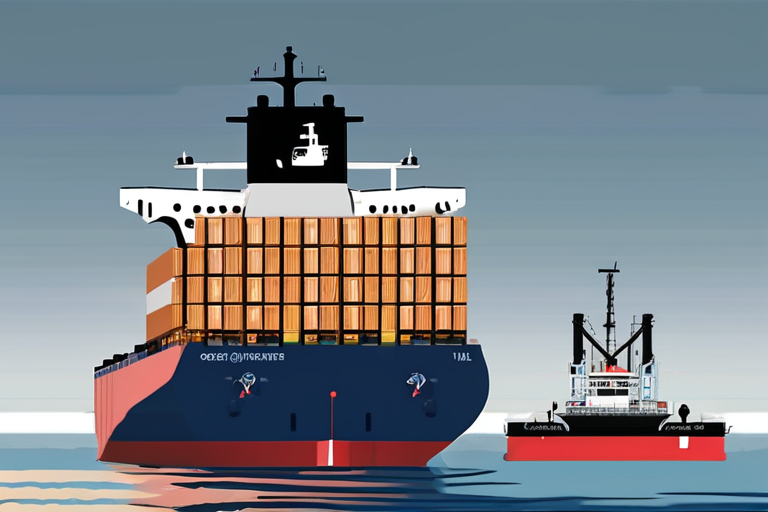
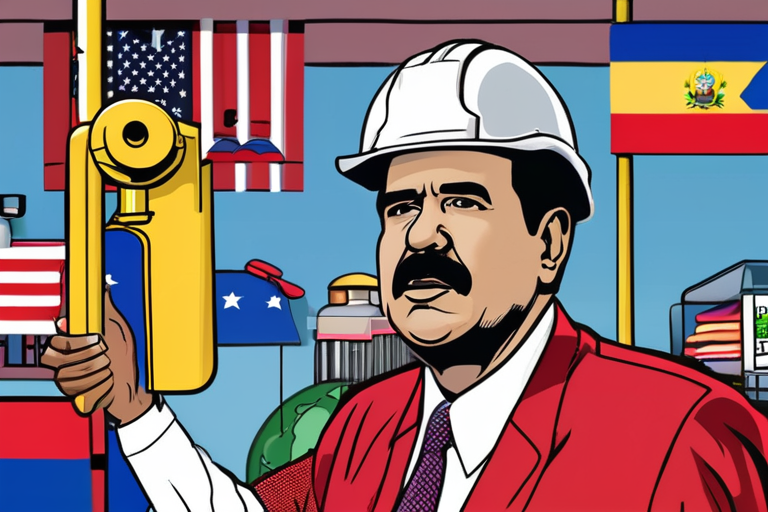
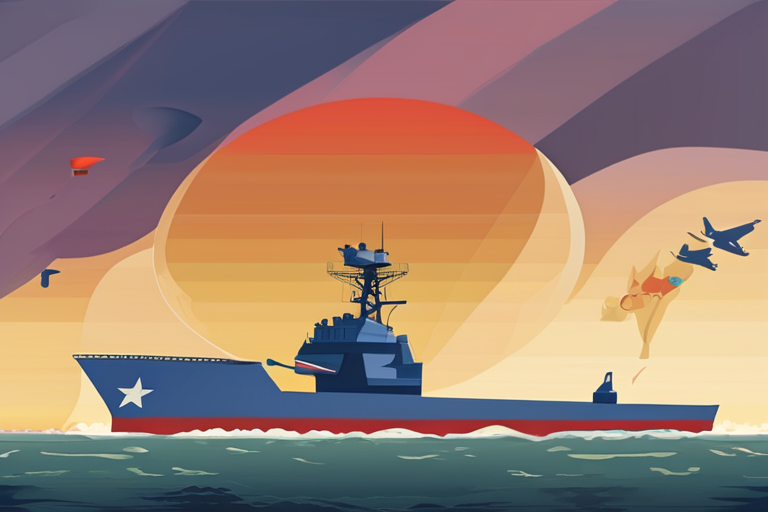
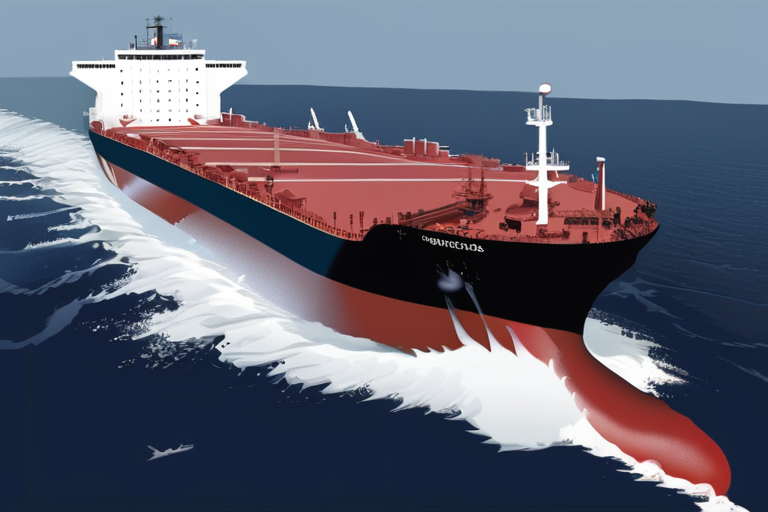
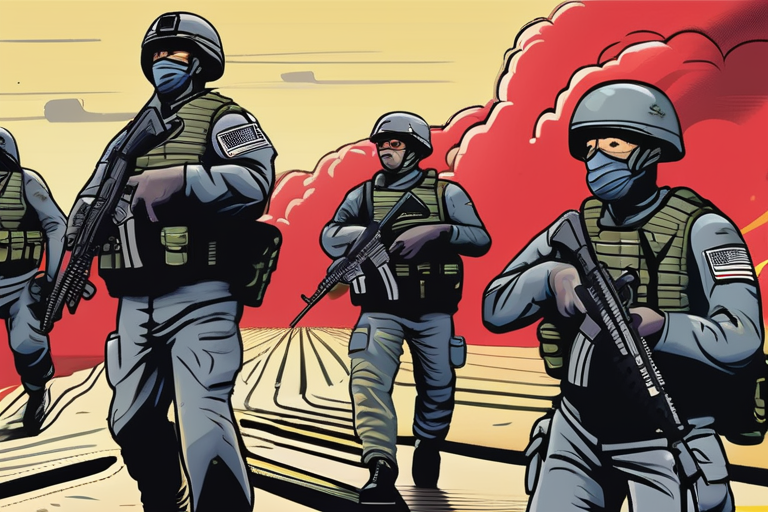
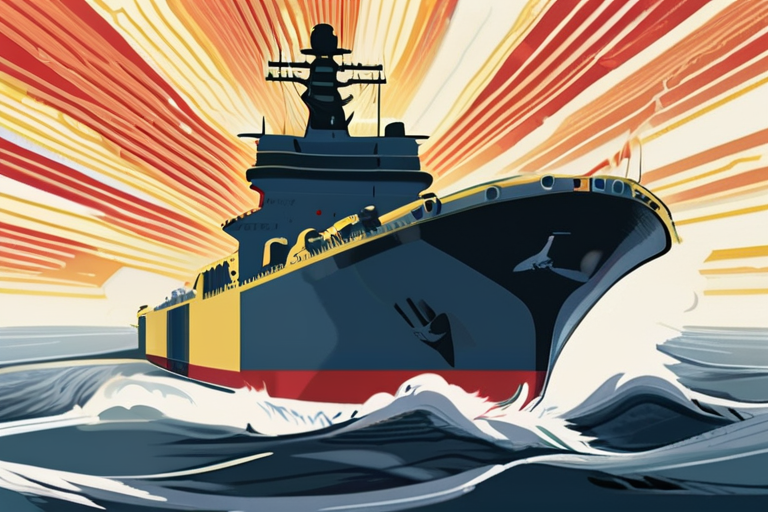
The US has continued its largest military build-up in Latin America in decades, seizing an oil tanker off the coast of Venezuela and threatening to attack the country by land. US President Donald Trump has made it clear that he wants Venezuelan President Nicolas Maduro out of power, and has thrown his support behind opposition figure and Nobel Peace Prize laureate Maria Corina Machado, who supports foreign intervention and wants to privatize Venezuelan oil.
According to historian Alan McPherson, a professor at Temple University who specializes in US-Latin American relations, the US is carrying out a regime change campaign in Venezuela. McPherson stated in an interview with Marc Lamont Hill that the US is using a combination of military and economic pressure to try to oust Maduro from power. "The US is using a variety of tactics, including economic sanctions, diplomatic isolation, and military build-up, to try to create a situation in which Maduro is forced to step down," McPherson said.
The US has been critical of Maduro's government, accusing it of human rights abuses and corruption. The Trump administration has also accused Maduro of allowing Venezuela to become a hub for narco-trafficking and other illicit activities. In response, the US has increased its military presence in the region, with the Pentagon striking alleged drug boats in the Caribbean and Pacific.
The situation in Venezuela has been marked by violence, with at least 87 people killed in what human rights groups have called extrajudicial killings and murder. The US has also imposed economic sanctions on Venezuela, which have had a devastating impact on the country's economy.
McPherson noted that the US has a long history of intervening in Latin American countries, often with disastrous consequences. "The US has a history of intervening in Latin America, and it's often done so with the best of intentions, but it's also often led to chaos and instability," he said.
The current situation in Venezuela is complex and multifaceted, with many different actors and interests at play. The US is not the only country that is interested in Venezuela's oil, and other countries, including Russia and China, have also been trying to exert their influence in the region.
The situation in Venezuela is likely to continue to be a major point of contention between the US and other countries in the region. The US has made it clear that it will continue to support opposition groups in Venezuela, and that it will take action to try to oust Maduro from power. However, the outcome of this situation is far from certain, and it remains to be seen how it will play out in the coming weeks and months.
In recent developments, the US has continued to increase its military presence in the region, with the Pentagon announcing plans to send more troops to Colombia. The US has also imposed new economic sanctions on Venezuela, which are likely to have a significant impact on the country's economy. The situation in Venezuela remains highly volatile, and it is likely to continue to be a major point of contention between the US and other countries in the region.
US Escalates Pressure on Venezuela with Largest Military Build-up in Decades
1
0
Multi-Source Journalism
This article synthesizes reporting from multiple credible news sources to provide comprehensive, balanced coverage.





Share & Engage Share
Share this article