

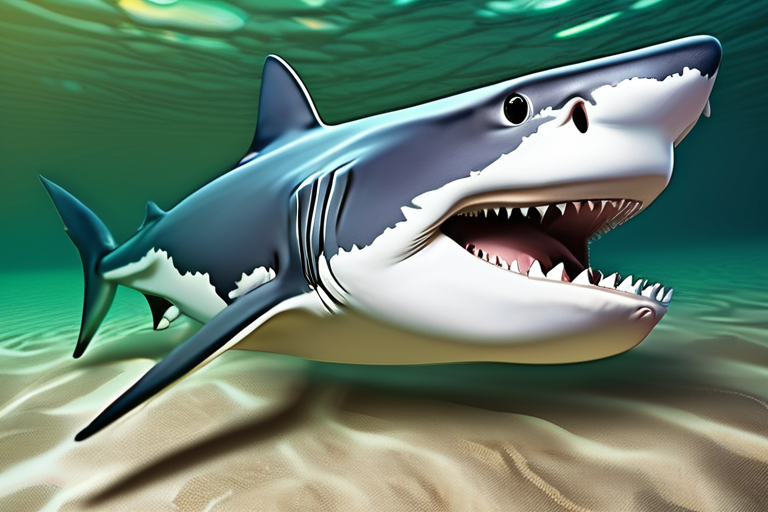
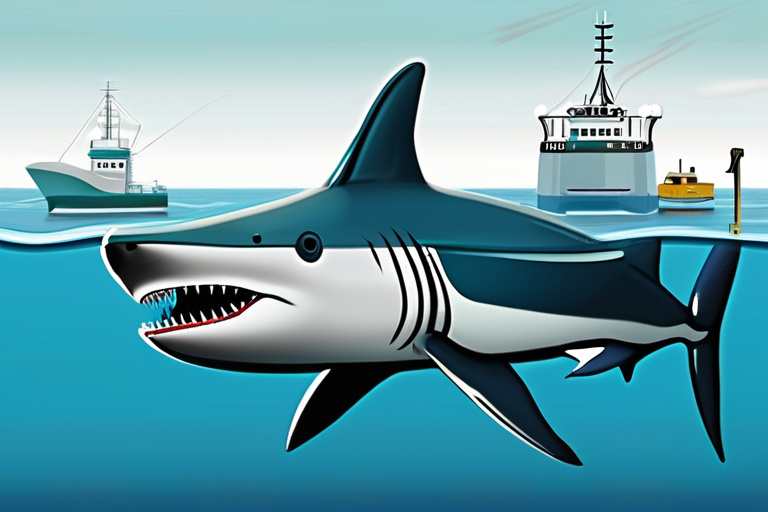
More than 70 shark and ray species, including oceanic whitetip sharks, whale sharks, and manta rays, received new safeguards under the Convention on International Trade in Endangered Species of Wild Fauna and Flora last week. The convention, known as CITES, is a United Nations treaty that requires countries to regulate or prohibit international trade in species whose survival is threatened. The sweeping conservation measures were adopted as the treaty's 20th Conference of the Parties came to a close.
According to Luke Warwick, director of shark and ray conservation at Wildlife Conservation Society (WCS), an international nonprofit dedicated to preserving animals and their habitats, the global market for sharks and rays is worth nearly $1 billion annually. "This is a major milestone in the fight to protect these incredible species," Warwick said. "Sharks and rays play a vital role in maintaining healthy marine ecosystems, and their loss would have far-reaching consequences for the ocean and for human communities that depend on it."
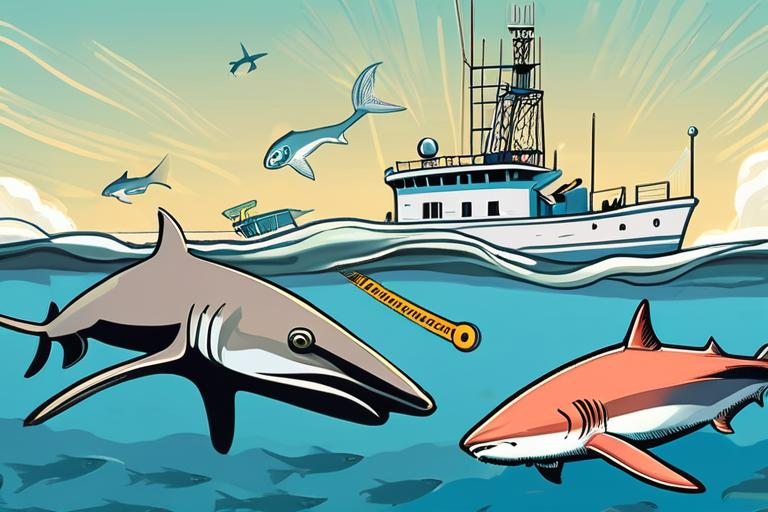
Sharks and rays have been caught and traded for decades, with many species facing severe declines in population due to overfishing and habitat destruction. The new protections will require countries to implement strict regulations on the trade of these species, including permits and quotas to ensure that only sustainable levels of trade are allowed.
The decision to protect these species was made after years of advocacy by conservation groups and governments around the world. The move is seen as a significant step forward in the effort to combat overfishing and protect marine biodiversity. "This is a victory for the ocean and for the people who care about it," said Warwick. "We hope that this will serve as a model for other species and other industries that are driving extinction."
The Convention on International Trade in Endangered Species of Wild Fauna and Flora was first signed in 1973 and has since been ratified by over 180 countries. The treaty requires countries to regulate or prohibit international trade in species whose survival is threatened, and has been instrumental in protecting a wide range of species, from elephants to rhinos to sea turtles.
The new protections for sharks and rays will take effect in 2025, and will require countries to implement new regulations and enforcement mechanisms to ensure compliance. Conservation groups and governments will be working closely together to ensure a smooth transition and to address any challenges that may arise.
In a statement, the United Nations Environment Programme (UNEP) welcomed the decision, saying that it "marks a major step forward in the protection of sharks and rays and the conservation of marine biodiversity." The UNEP noted that the new protections will help to reduce the pressure on these species and promote sustainable fishing practices.
The decision to protect sharks and rays is also seen as a significant step forward in the effort to address the impacts of climate change on marine ecosystems. "Sharks and rays are indicators of the health of the ocean," said Warwick. "By protecting them, we are also protecting the ocean itself and the people who depend on it."
Nations Unite to Shield Over 70 Shark and Ray Species from International Trade
2
0
Multi-Source Journalism
This article synthesizes reporting from multiple credible news sources to provide comprehensive, balanced coverage.





















Share & Engage Share
Share this article