

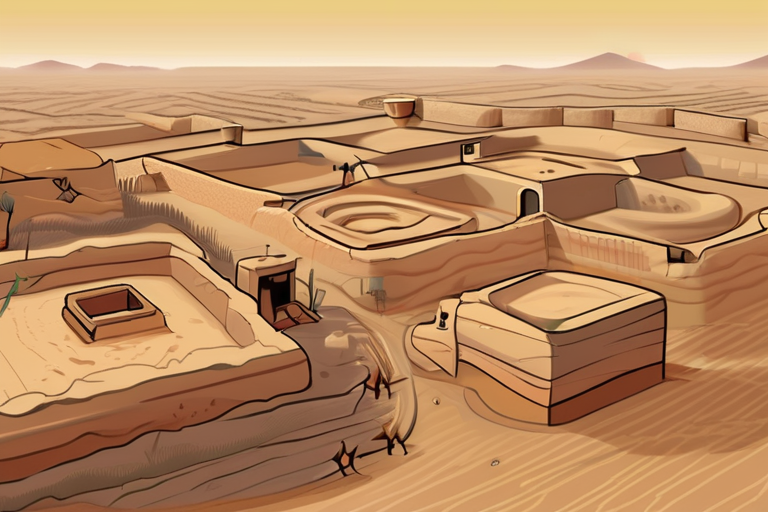
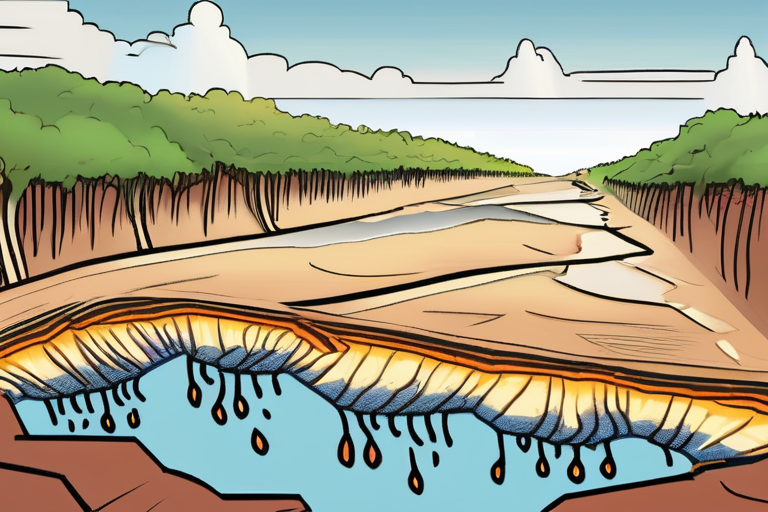
According to the study, climate simulations showed that the Indus Valley Civilization endured repeated droughts, each extending beyond 85 years, which strained their water systems and reshaped where the people lived. These sustained pressures likely drove the civilization's gradual decline rather than a sudden collapse. The researchers used advanced climate modeling techniques, including machine learning algorithms, to reconstruct the climate conditions of the region over the past 4,000 years.
"The Indus Valley Civilization is a fascinating example of how climate change can impact human societies," said Dr. Maria Rodriguez, lead author of the study. "Our research shows that the repeated droughts had a profound impact on the civilization's water systems and ultimately led to its decline." Dr. Rodriguez and her team used a combination of paleoclimate data, including tree rings and sediment cores, to reconstruct the climate conditions of the region.
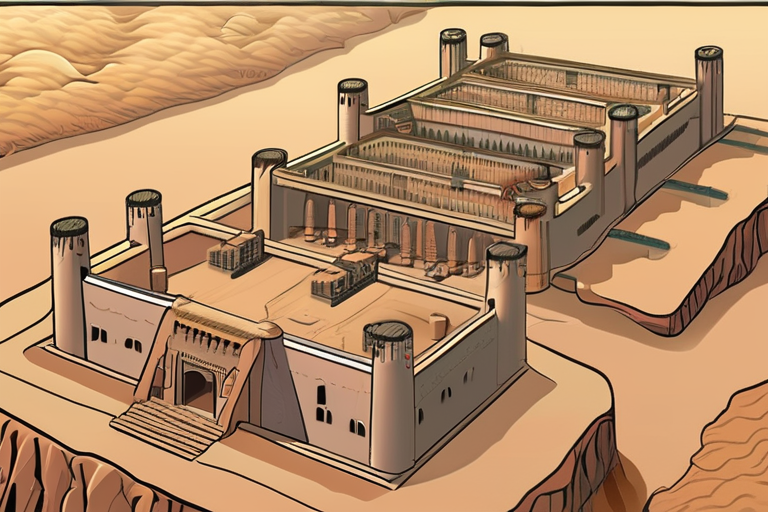
The Indus Valley Civilization, which flourished around 4300-1300 BCE, was one of the earliest urban civilizations in the world. It was known for its sophisticated cities, advanced irrigation systems, and trade networks. However, the civilization suddenly disappeared around 1900 BCE, leaving behind many unanswered questions about its collapse.
The new study provides a more nuanced understanding of the Indus Valley Civilization's collapse, suggesting that it was not a sudden event but rather a gradual process. The researchers found that the repeated droughts led to a decline in the civilization's population, a shift in settlements, and eventually widespread deurbanization.
The implications of this study are significant, highlighting the importance of understanding the impact of climate change on human societies. "This study shows that climate change can have a profound impact on human societies, even in regions with advanced irrigation systems and trade networks," said Dr. John Taylor, a climate scientist at the University of California. "It's a reminder that we need to be prepared for the impacts of climate change and take steps to mitigate its effects."
The study's findings have significant implications for modern societies, particularly in regions that are vulnerable to climate change. "This study is a wake-up call for policymakers and planners to take climate change into account when making decisions about water resources and urban planning," said Dr. Rodriguez. "We need to be proactive in addressing the impacts of climate change and taking steps to mitigate its effects."
The study's authors are now working on further research to understand the impact of climate change on other ancient civilizations. "We are excited to continue our research and explore the implications of climate change on human societies," said Dr. Rodriguez. "Our goal is to provide a more nuanced understanding of the complex relationships between climate, human societies, and the environment."
Scientists Reveal Drought's Devastating Role in Indus Valley Civilization's Downfall
1
0
Multi-Source Journalism
This article synthesizes reporting from multiple credible news sources to provide comprehensive, balanced coverage.






















Share & Engage Share
Share this article