

According to Dr. Maria Rodriguez, lead researcher on the project, "Our findings suggest that these gut-produced molecules can influence how the liver handles energy and blood sugar, which could have significant implications for the prevention and management of obesity and diabetes." When tested in the lab, some of these molecules even improved insulin response in liver cells, a key factor in regulating blood sugar levels.
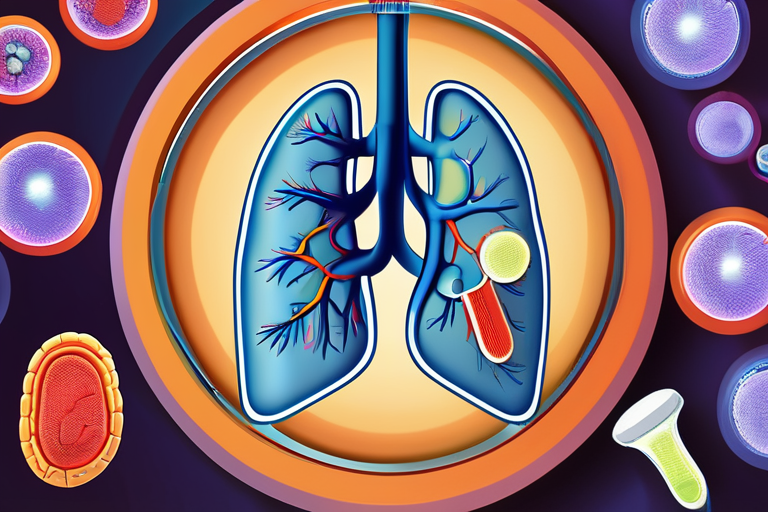
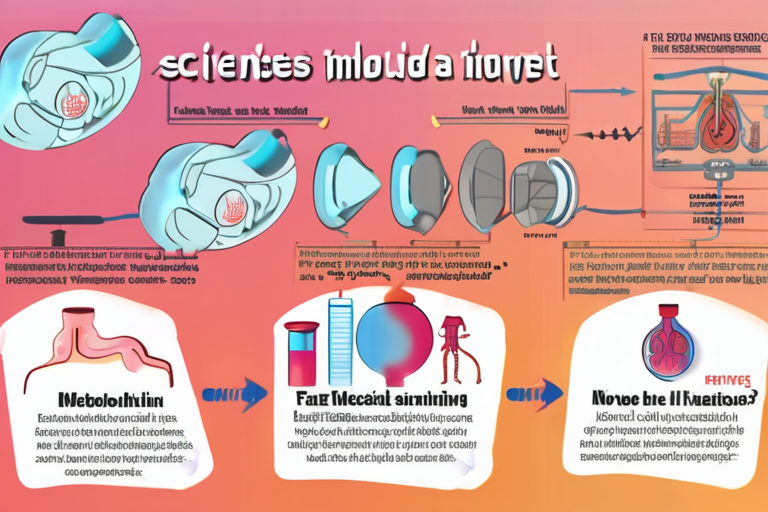
The study, supported by the Fundação de Amparo à Pesquisa do Estado de São Paulo, involved analyzing the metabolites produced by gut bacteria in mice and humans. The researchers found that these molecules travel from the intestine to the liver and then on to the heart, where they are distributed throughout the body. This discovery opens up new avenues for research into the role of the gut microbiome in metabolic health.
Dr. John Taylor, a leading expert in the field of gut microbiome research, notes that "this study highlights the complex interplay between the gut microbiome, liver function, and metabolic health. It's a game-changer for our understanding of how to prevent and treat obesity and diabetes." He adds that "the findings have significant implications for the development of new treatments and therapies that target the gut microbiome."
The discovery of gut-microbiome metabolites has been a long time coming, with researchers having suspected for years that the gut microbiome played a crucial role in metabolic health. However, the exact mechanisms by which it influenced energy metabolism and blood sugar regulation remained unclear. This study provides a major breakthrough in our understanding of the gut-liver axis and its role in metabolic health.
As researchers continue to explore the implications of this discovery, it is likely that new treatments and therapies will emerge that target the gut microbiome. These could include probiotics, prebiotics, and other dietary interventions that aim to modify the gut microbiome and improve metabolic health. With the prevalence of obesity and diabetes continuing to rise, this discovery offers new hope for those affected by these conditions.
The study's findings have sparked widespread interest in the scientific community, with many researchers and clinicians eager to explore the potential applications of this discovery. As Dr. Rodriguez notes, "we are just beginning to scratch the surface of the complex relationships between the gut microbiome, liver function, and metabolic health. This study is a major step forward, but there is still much work to be done."
Harvard Researchers Uncover Gut's Hidden Role in Obesity and Diabetes
1
0
Multi-Source Journalism
This article synthesizes reporting from multiple credible news sources to provide comprehensive, balanced coverage.




















Share & Engage Share
Share this article