

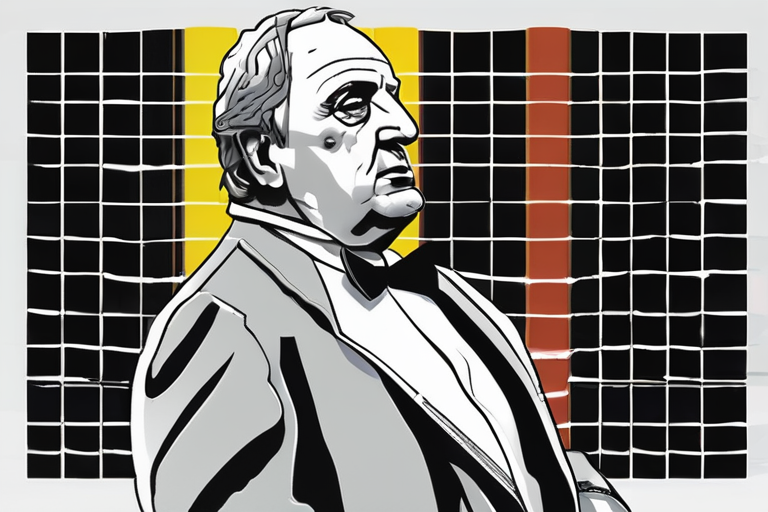
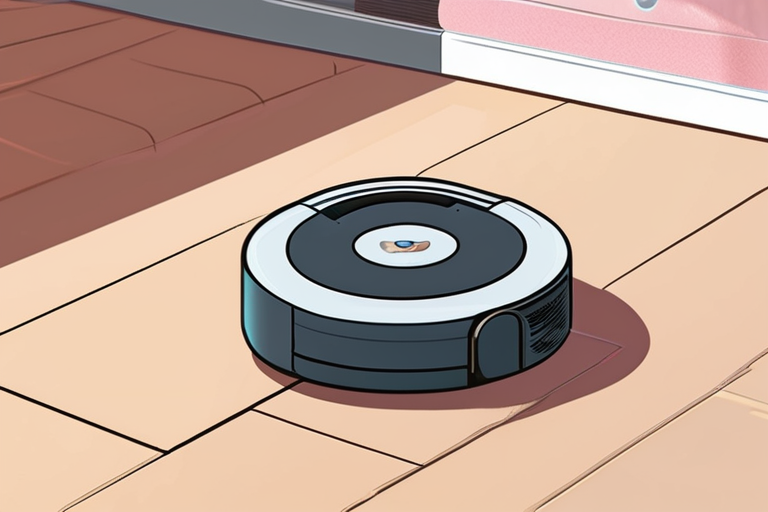
In a candid conversation with The New York Times, Rodney Brooks, the renowned roboticist behind the iconic Roomba, expressed concerns that the field of modern robotics has lost its way. Brooks, often referred to as the Godfather of Modern Robotics, is known for his pioneering work in mimicking animal biology to create more capable robots. However, he now believes that the industry's focus on complex algorithms and artificial intelligence has led to a neglect of the fundamental principles that made robotics so promising in the first place.
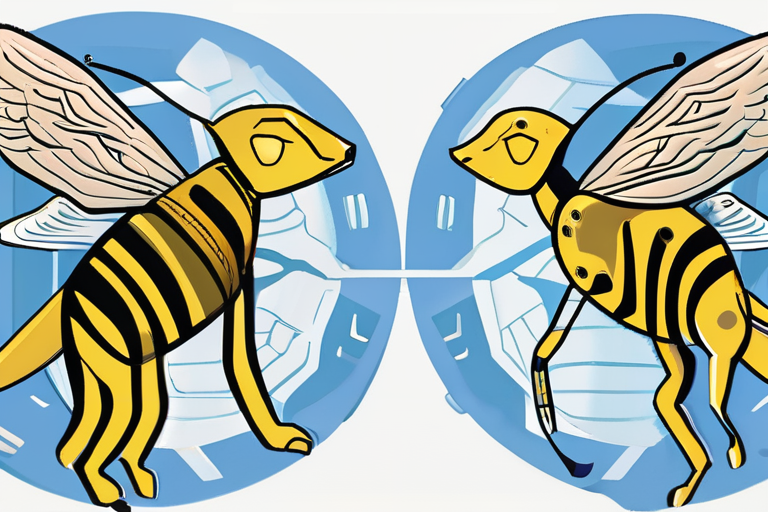
As a young researcher in the 1980s, Brooks was fascinated by the simplicity and efficiency of insect behavior. He spent countless hours observing ants and bees, studying how they navigated and interacted with their environment. This curiosity led him to a groundbreaking realization: that mimicking animal biology was a smarter approach to robotics than trying to control every aspect of a robot's behavior through code.
In the 1997 documentary "Fast, Cheap, and Out of Control," Brooks shared his insights on the limitations of traditional robotics. "I like to look at what everyone is doing, find some common thing that they're all assuming implicitly, and negate that thing," he said. This approach allowed him to identify the constraints that were holding back robot development and to develop innovative solutions that drew inspiration from the natural world.
Brooks' successes led him to predict that robots would become ubiquitous in our world, performing tasks that would free humans from mundane labor and enable us to focus on more creative pursuits. However, he now believes that the industry has strayed from this vision. "We've become so focused on making robots that can do complex tasks, like assembly and manipulation, that we've forgotten about the simple, intuitive interactions that made robotics so promising in the first place," he said.
The rise of artificial intelligence (AI) has further contributed to this shift. While AI has enabled robots to learn and adapt in complex environments, it has also led to a focus on high-level abstractions and complex algorithms. This has resulted in robots that are often brittle and difficult to use, rather than intuitive and easy to interact with.
Experts in the field agree that Brooks' concerns are valid. "Rodney's critique is a reminder that robotics is not just about building complex systems, but also about creating robots that are easy to use and interact with," said Dr. Cynthia Breazeal, a robotics researcher at MIT. "We need to find a balance between the complexity of AI and the simplicity of intuitive interactions."
As the field of robotics continues to evolve, it's clear that Brooks' vision of robots as intuitive and easy-to-use companions is still within reach. Recent developments in areas like human-robot interaction and social robotics are bringing us closer to a future where robots are not just tools, but also companions and assistants.
In the end, Brooks' critique serves as a reminder that robotics is not just about building complex systems, but also about creating robots that are intuitive, easy to use, and beneficial to society. As we move forward, it's essential that we remember the fundamental principles that made robotics so promising in the first place, and that we strive to create robots that are not just intelligent, but also simple, intuitive, and human-friendly.
Rodney Brooks: The Godfather of Robotics Sounds Alarm on Field's Lost Path
1
0
Multi-Source Journalism
This article synthesizes reporting from multiple credible news sources to provide comprehensive, balanced coverage.









Share & Engage Share
Share this article