

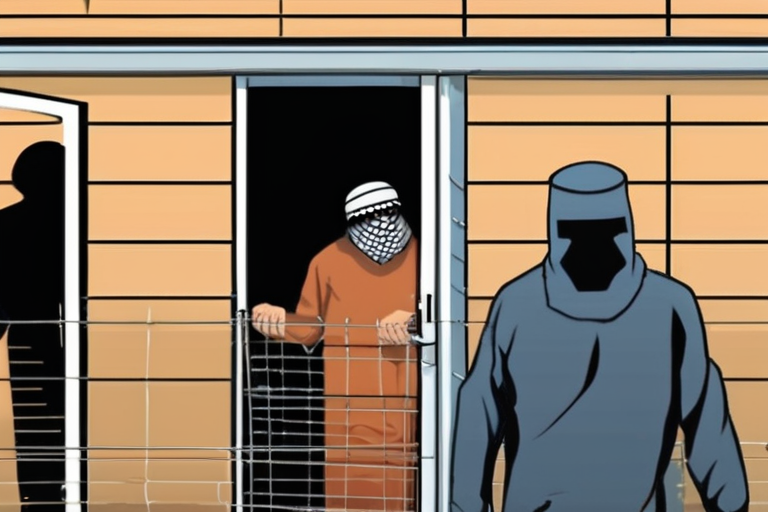
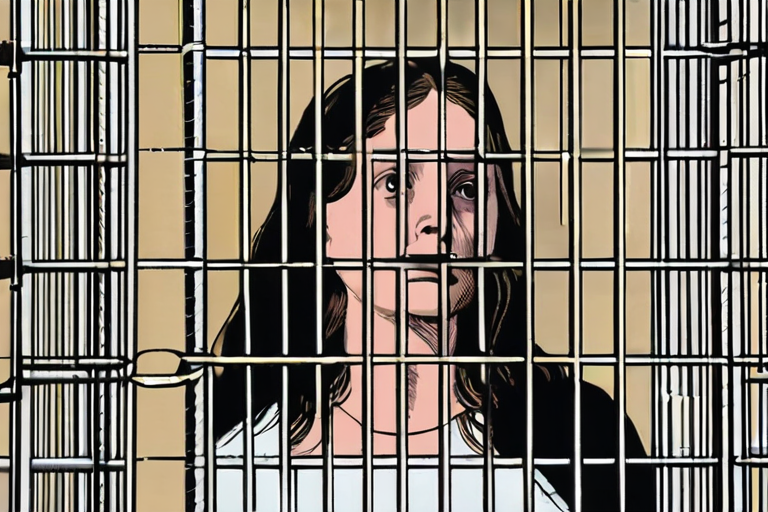
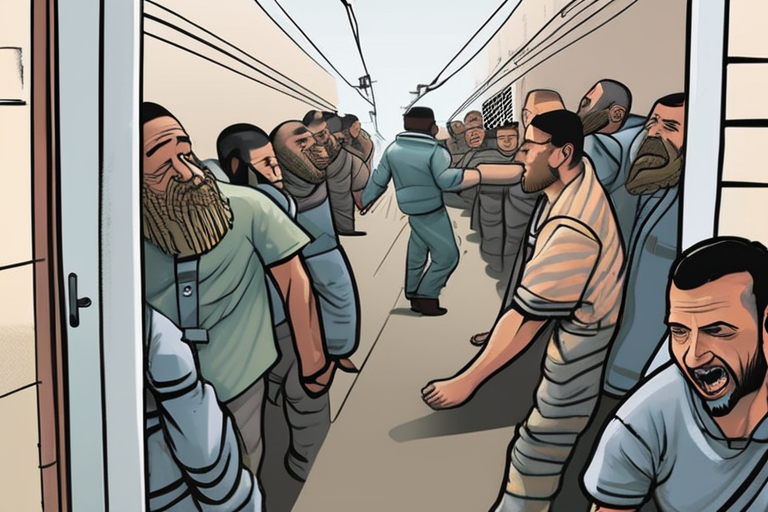
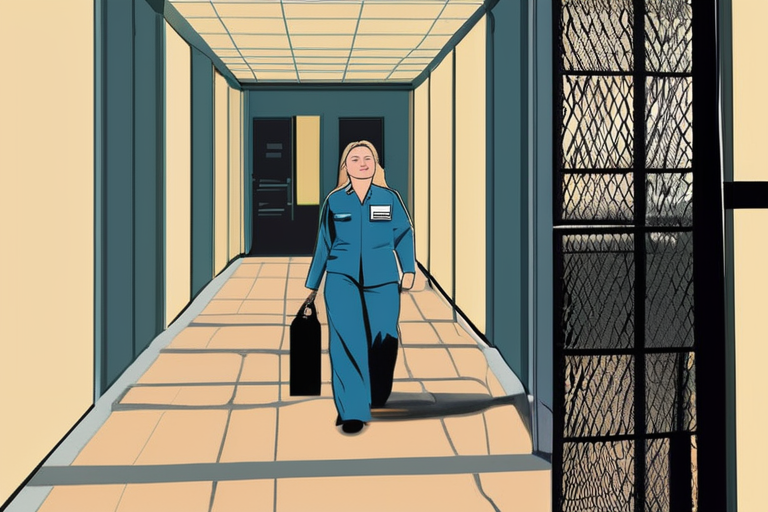
A total of 123 political prisoners have been released from Belarus, including prominent opposition politicians, human rights activists, and journalists, following the United States' decision to lift sanctions on the country. The prisoners, who had been held for various periods, were freed after a secret agreement was reached between the US and Belarusian authorities. The release was confirmed by multiple sources, including the US State Department and Belarusian opposition leaders.
According to Ales Bialiatski, a prominent human rights activist and one of the released prisoners, the feeling of freedom is indescribable. "It's like coming up from the depth of the ocean," he told the BBC. Bialiatski, who had been imprisoned for over two years, was among the first to be released, along with other well-known opposition figures, including Maria Kolesnikova, also known as Masha.
Maria Kolesnikova, a protest leader with a famous red-lipsticked smile, was overjoyed to be reunited with her fellow prisoners. A video of her jumping for joy and hugging other former prisoners soon went viral on social media. In another video, she thanked everyone who had helped bring about her release, saying, "It's a feeling of incredible happiness to see those who are dear to me, to hug them and realise we are all free."
The release of the prisoners is seen as a significant development in the ongoing efforts to improve relations between the US and Belarus. The US had imposed sanctions on Belarus in response to the country's human rights record and its crackdown on opposition activists. The decision to lift sanctions was reportedly made in exchange for Belarus's commitment to releasing the prisoners and improving its human rights record.
The release of the prisoners has been welcomed by human rights groups and opposition leaders, who have long called for their release. "This is a major breakthrough for human rights in Belarus," said a spokesperson for the Human Rights Watch. "The release of these prisoners is a testament to the power of international pressure and the importance of holding governments accountable for their human rights record."
The current status of the released prisoners is that they are being reunited with their families and are receiving medical attention, if needed. Many of them are expected to remain in Belarus for the time being, although some may choose to leave the country. The US State Department has confirmed that it will continue to monitor the situation in Belarus and will take further action if necessary.
The implications of the release of the prisoners are significant, both for Belarus and for the international community. The move is seen as a major step towards improving relations between the US and Belarus, and may pave the way for further diplomatic efforts. However, many human rights groups and opposition leaders remain cautious, warning that the release of the prisoners is only a first step and that much more needs to be done to address the human rights situation in Belarus.
US Lifts Sanctions, 123 Belarusian Prisoners Freed After Years of Detention
1
0

Multi-Source Journalism
This article synthesizes reporting from multiple credible news sources to provide comprehensive, balanced coverage.















Share & Engage Share
Share this article