

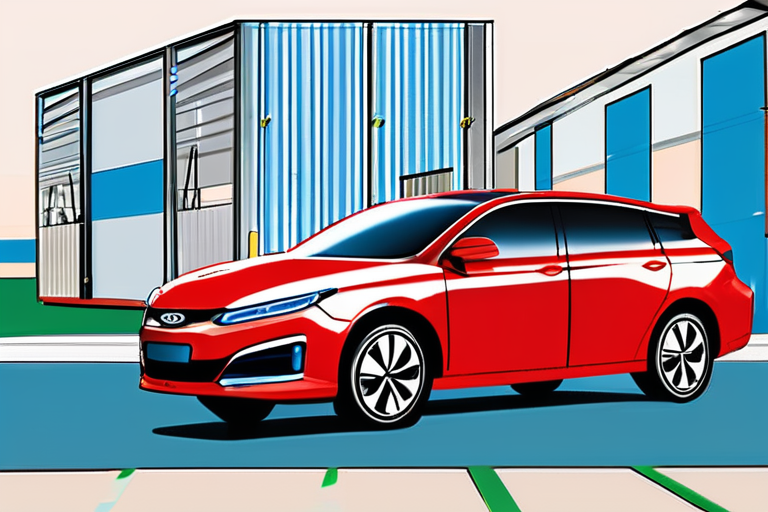
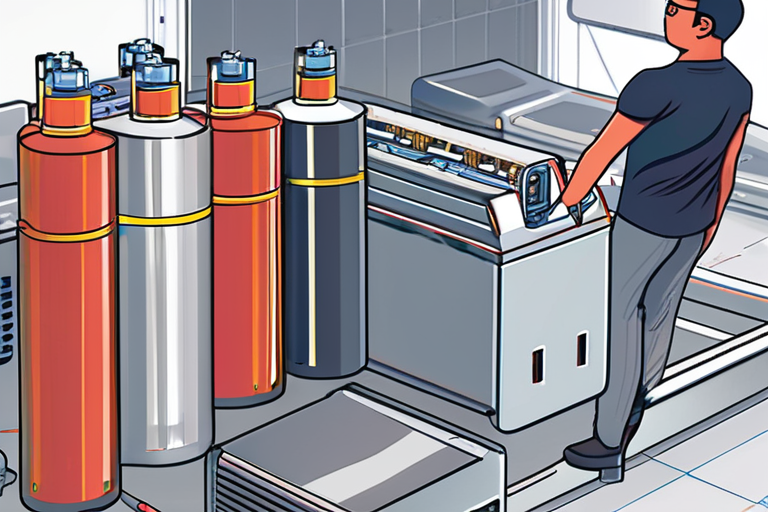
The town's status as a hub for renewable energy has been further solidified with the start of construction on a vast factory that will produce batteries for electric vehicles. The facility, a joint investment of 4 billion euros by Chinese firm CATL and the Netherlands-based Stellantis, is considered one of the biggest Chinese investments in Europe. According to Yao Jing, China's ambassador in Spain, the project is a significant step towards reducing the country's carbon footprint.
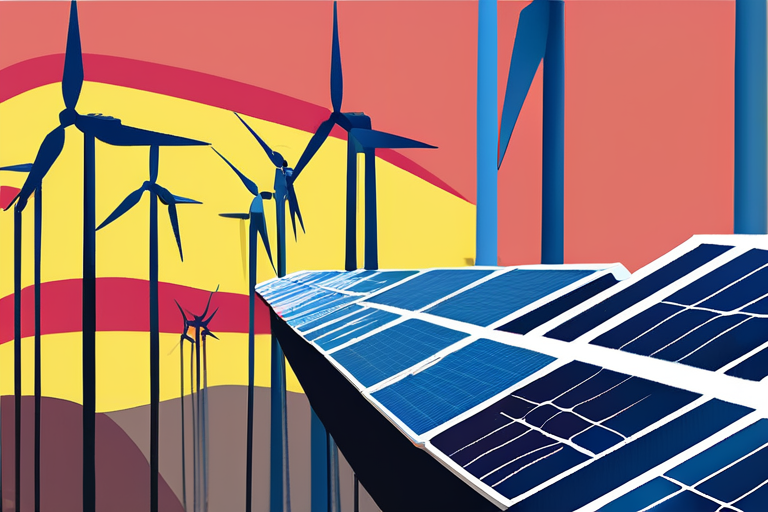
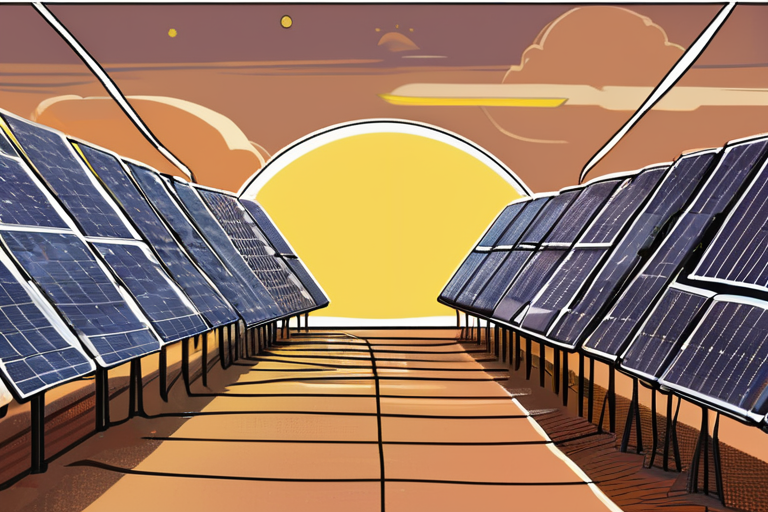
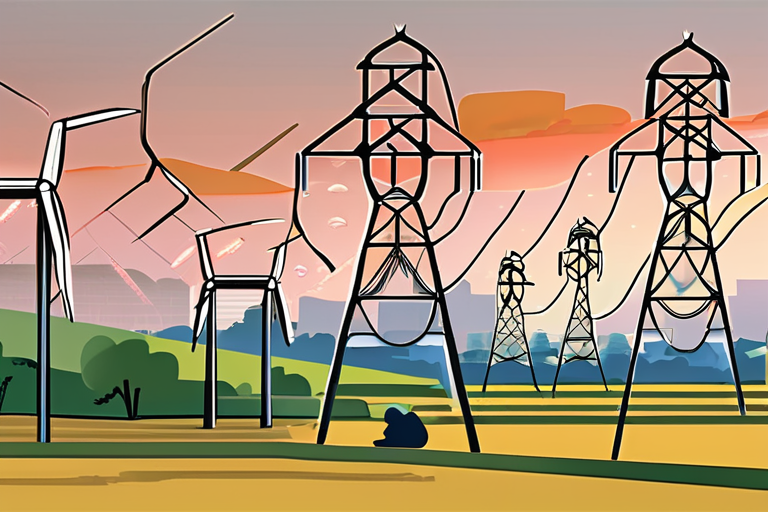
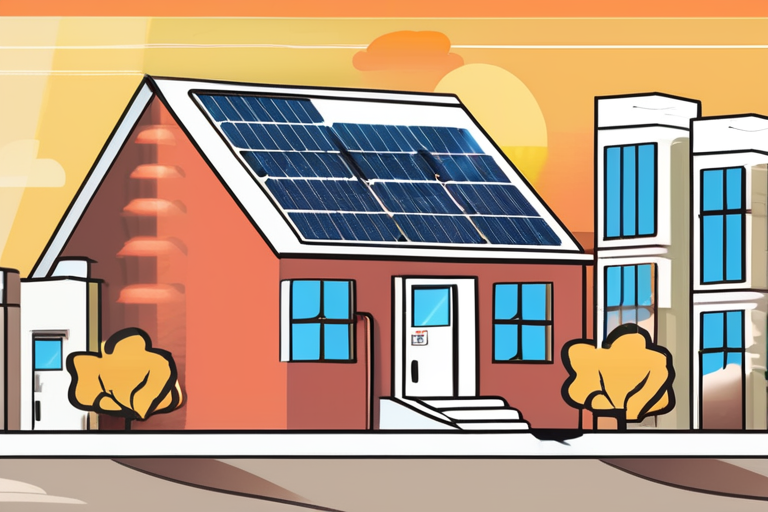
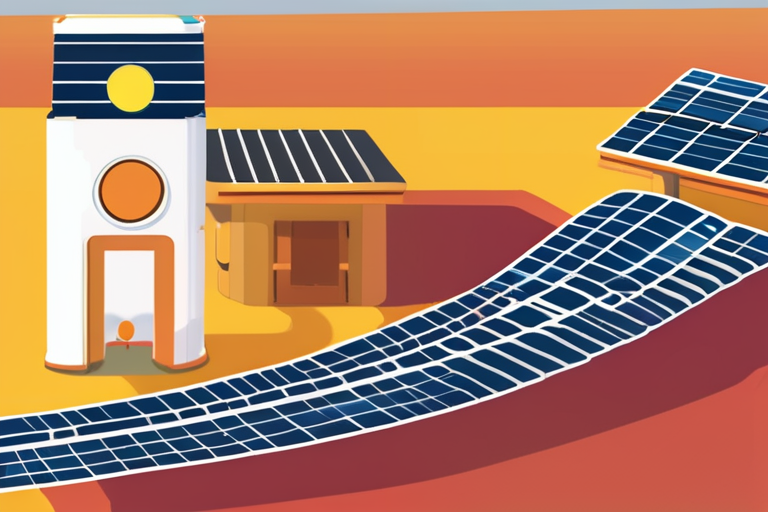
"We're in Aragón, where there's wind all year round, there are lots of hours of sunshine, and we are surrounded by wind turbines and solar panels," said Luis Bertol Moreno, the mayor of Figueruelas. "Those energy sources are a perfect fit for our region, and we're proud to be a part of Spain's green transition." Moreno's comments highlight the region's unique geography, which makes it an ideal location for renewable energy production.
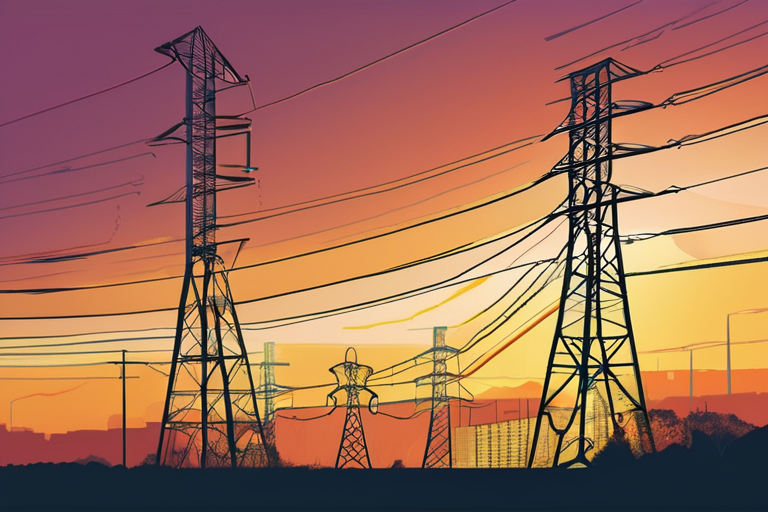
Spain's commitment to renewable energy is a significant aspect of the country's energy policy. The government has set ambitious targets to reduce greenhouse gas emissions and increase the share of renewable energy in the country's energy mix. However, recent developments have raised concerns about the country's ability to meet these targets. The COVID-19 pandemic and the ongoing conflict in Ukraine have led to a surge in energy prices, making it more challenging for Spain to rely on renewable energy sources.
Experts point out that the country's energy sector is heavily dependent on imported fuels, which makes it vulnerable to price fluctuations. "Spain's energy policy is facing significant challenges," said Dr. Maria Rodriguez, a leading energy expert at the University of Madrid. "The country needs to diversify its energy sources and invest in energy efficiency measures to reduce its dependence on imported fuels."
The current status of Spain's renewable energy sector is a subject of ongoing debate. While the country has made significant progress in recent years, there are concerns about the sustainability of its energy policy. The government has announced plans to increase the share of renewable energy in the country's energy mix, but it remains to be seen whether these targets can be met.
The construction of the battery factory in Figueruelas is expected to be completed by 2026, with the facility set to produce batteries for electric vehicles. The project is seen as a significant step towards reducing the country's carbon footprint and promoting sustainable transportation. However, the long-term implications of this project and Spain's commitment to renewable energy remain to be seen.
Spain's Renewable Energy Ambitions Face Uncertainty Amid Battery Factory Halt
1
0
Multi-Source Journalism
This article synthesizes reporting from multiple credible news sources to provide comprehensive, balanced coverage.

















Share & Engage Share
Share this article