

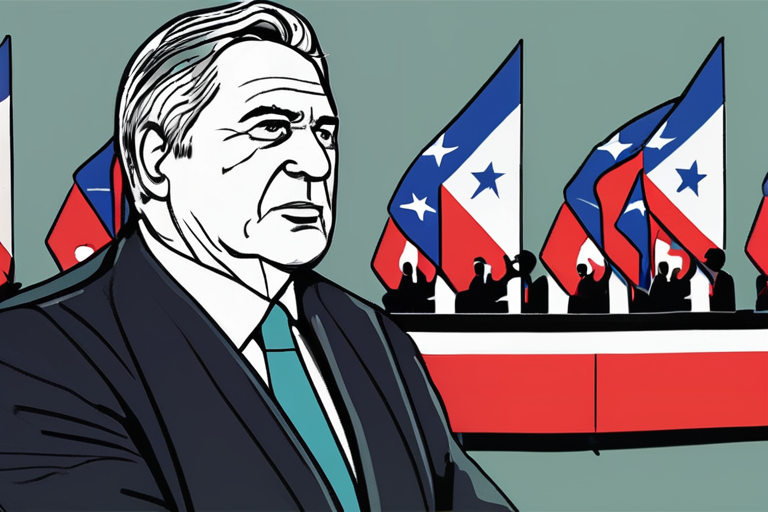
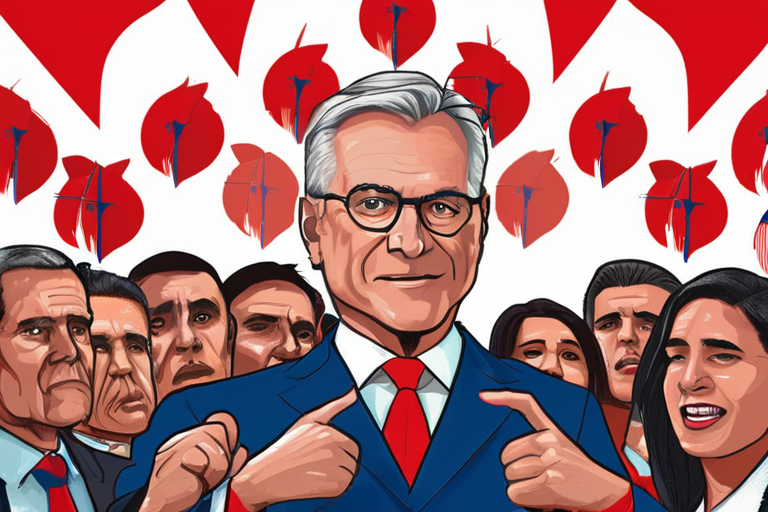
Shares of Chile's peso currency fell sharply on Monday as the country's voters elected far-right candidate Jose Antonio Kast as the country's 38th president in a run-off election. Kast, the presidential candidate for the Republican Party, secured nearly 58 percent of the vote, defeating former Labour Minister Jeannette Jara, a Communist Party politician who represented the governing centre-left coalition.
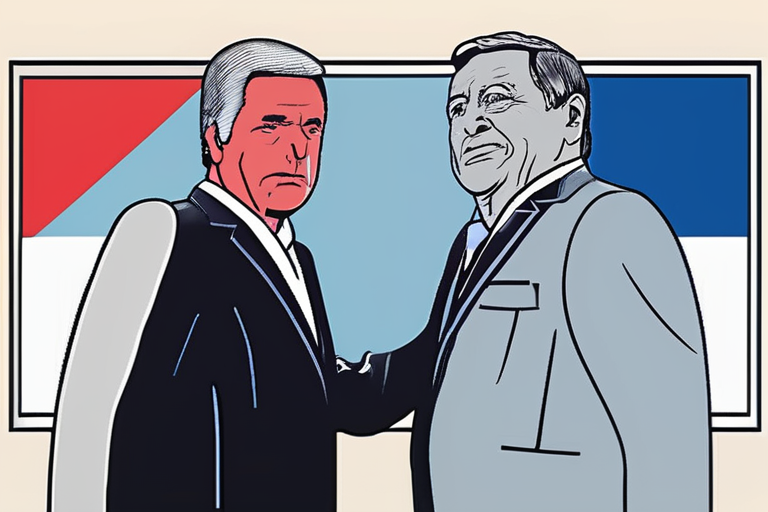
According to official results, Kast's victory was confirmed with nearly all the ballots counted. Jara and her coalition, Unity for Chile, conceded defeat shortly after the polls closed in the South American country. "Democracy has spoken loud and clear," Jara said in a statement, adding that she had spoken with President-elect Kast to wish him success for the good of Chile.
Kast's campaign focused on issues such as crime and security, with promises to increase police presence and implement stricter immigration policies. His platform also included plans to reduce the country's high levels of inequality and promote economic growth. In a statement, Kast said, "I am committed to working for the good of all Chileans, and I will do everything in my power to ensure that our country prospers and becomes a better place for all."
Kast's victory marks a significant shift to the right in Chile's politics, which has been dominated by centre-left governments since the country transitioned to democracy in the 1990s. The country's current president, Gabriel Boric, is a member of the centre-left coalition that Jara represented. Boric's government has faced criticism for its handling of issues such as crime and economic inequality, which were central to Kast's campaign.
The outcome of the election has been met with mixed reactions from international leaders. The United States and European Union have issued statements congratulating Kast on his victory and expressing their commitment to working with the new government. However, some human rights groups have expressed concerns about Kast's policies and their potential impact on vulnerable communities.
As Kast prepares to take office, he faces a number of challenges, including a struggling economy and high levels of inequality. His government will also need to navigate complex relationships with international partners and address concerns about human rights and social justice. In the coming days and weeks, Kast is expected to announce his cabinet and outline his policy priorities, which will provide further insight into his vision for Chile's future.
Chile Elects Far-Right Candidate Jose Antonio Kast as President in Run-Off Election
1
0
Multi-Source Journalism
This article synthesizes reporting from multiple credible news sources to provide comprehensive, balanced coverage.













Share & Engage Share
Share this article