

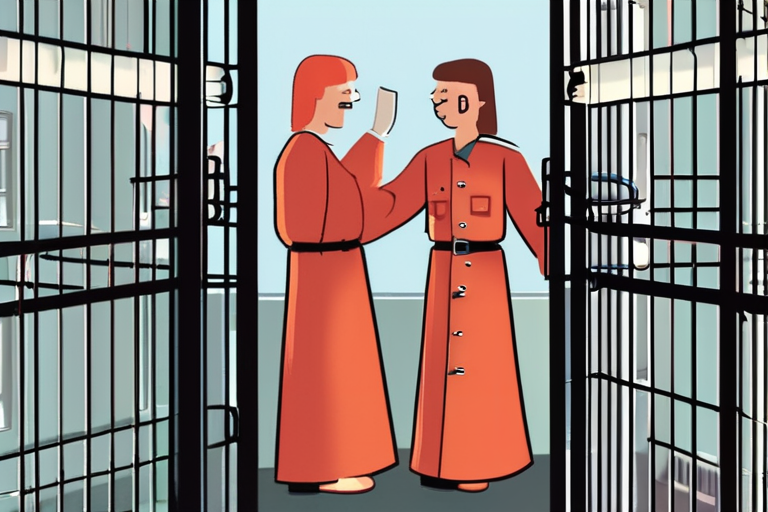
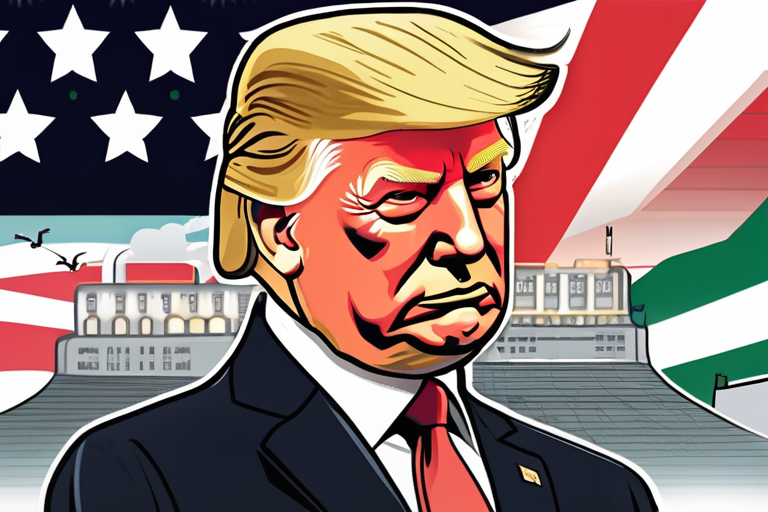
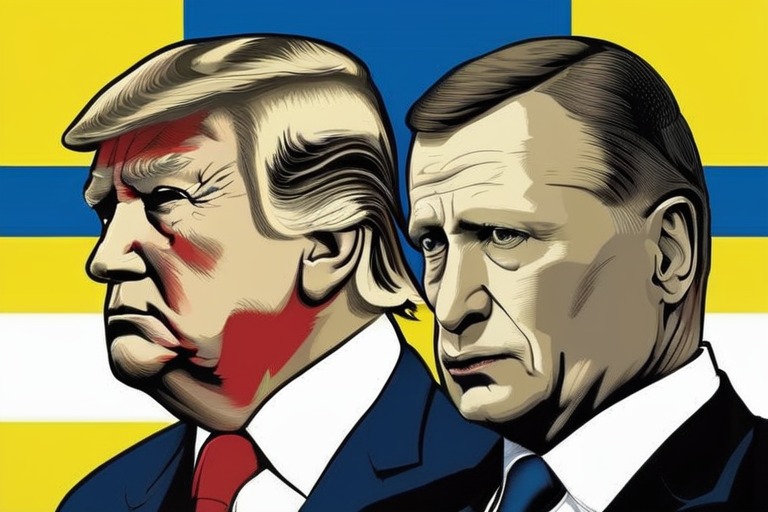
United States President Donald Trump has eased sanctions on Belarus after the country freed more than 100 political prisoners. The move comes as a significant development in the complex geopolitical landscape of Eastern Europe, where Belarus has maintained close ties with Russia.
The easing of sanctions by the US was met with a mixed reaction from various stakeholders. Sviatlana Tsikhanouskaya, the Belarusian opposition leader, expressed her gratitude to the international community for putting pressure on the Belarusian government to release the political prisoners. "This is a significant step towards the release of all political prisoners in Belarus," Tsikhanouskaya said in a statement. "We appreciate the efforts of the international community, including the United States, in pushing for the release of our citizens."
Franak Viacorka, a non-resident fellow at the Atlantic Council, noted that the move was a result of the US's efforts to engage with Belarus and promote democratic reforms. "The US has been working to engage with Belarus and promote democratic reforms, and this is a positive step in that direction," Viacorka said. "However, the fact that the European Union has maintained its sanctions on Belarus suggests that there is still a long way to go in terms of promoting democratic values in the country."
Mark Episkopos, a research fellow at the Quincy Institute's Eurasia program, pointed out that the easing of sanctions by the US was a calculated move to counterbalance Russia's influence in the region. "The US is trying to counterbalance Russia's influence in the region by engaging with Belarus and promoting democratic reforms," Episkopos said. "However, the fact that the European Union has maintained its sanctions on Belarus suggests that there is still a significant divide between the US and the EU on how to approach Belarus."
Andrey Kortunov, a Russian foreign affairs analyst, noted that the move was likely a response to Belarus's efforts to distance itself from Russia. "Belarus has been trying to distance itself from Russia in recent years, and this move by the US is likely a response to that," Kortunov said. "However, it remains to be seen whether this will have any significant impact on Belarus's relations with Russia."
The European Union has maintained its sanctions on Belarus, citing concerns over the country's human rights record and its close ties with Russia. The EU has imposed sanctions on several Belarusian officials, including President Alexander Lukashenko, who has been in power since 1994.
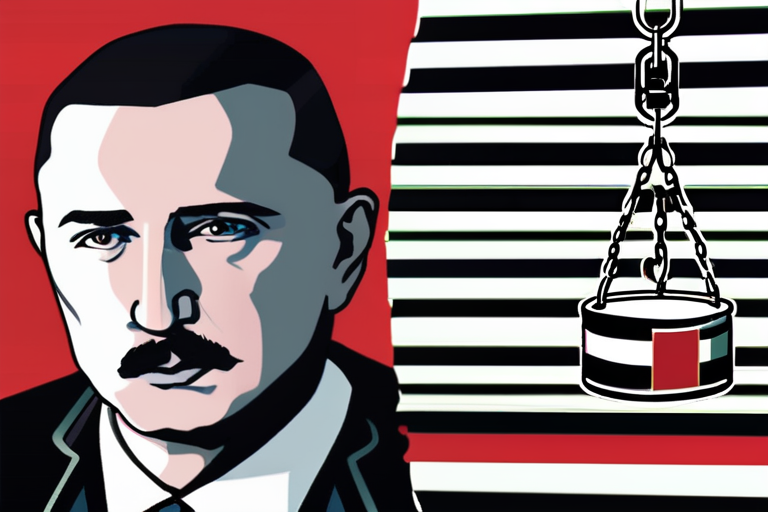
The release of the political prisoners was a significant development in Belarus, where human rights groups have long criticized the government's treatment of opposition activists and dissidents. The move was seen as a positive step towards promoting democratic reforms in the country.
As the situation in Belarus continues to evolve, it remains to be seen how the US and the EU will approach the country in the future. The easing of sanctions by the US was a significant development, but it is unclear whether it will have any lasting impact on Belarus's relations with the international community.
Trump Eases Sanctions on Belarus Amid Release of 100 Political Prisoners
1
0
Multi-Source Journalism
This article synthesizes reporting from multiple credible news sources to provide comprehensive, balanced coverage.









Share & Engage Share
Share this article