

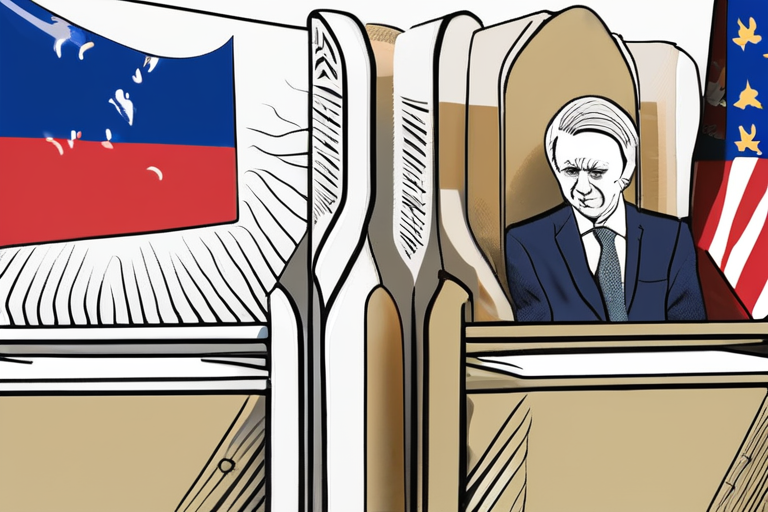
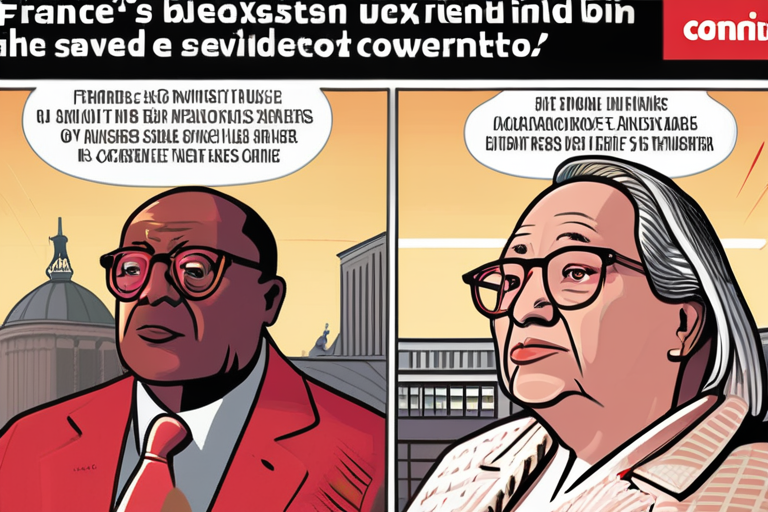
According to a statement from Prime Minister Sebastien Lecornu's office, France believes the current conditions are not suitable for an agreement, and EU member states cannot vote on the trade agreement in its current state. The statement added that France is asking for the deadlines to be pushed back to continue work on getting the legitimate measures of protection for European agriculture.
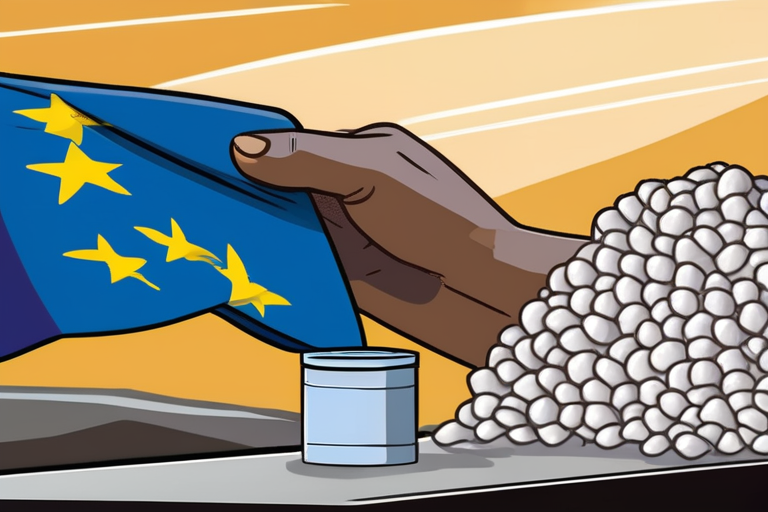
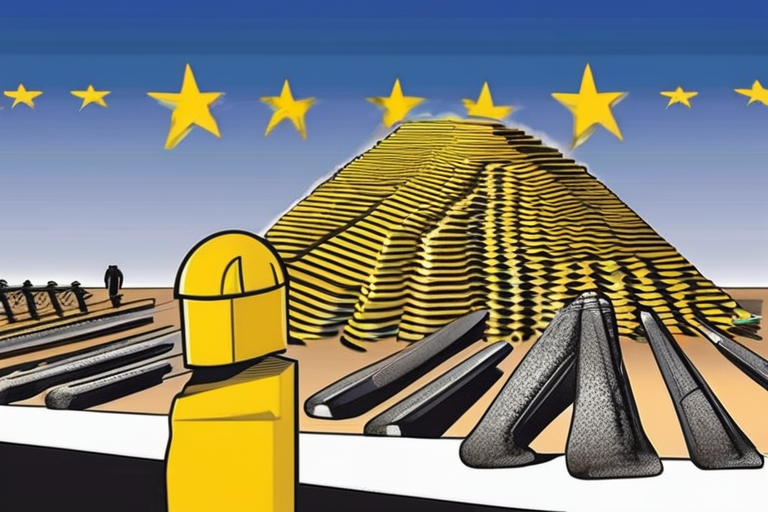
Lecornu's office emphasized the importance of safeguarding European agriculture, which is a significant sector in the EU economy. The EU's agricultural sector is valued at approximately €430 billion, with France being one of the largest contributors. The trade deal with Mercosur, which includes Brazil, Argentina, Paraguay, and Uruguay, could potentially disrupt the EU's agricultural market, leading to job losses and economic instability.
Economy and Finance Minister Roland Lescure, who accompanied Lecornu to the Elysee Palace in Paris, expressed concerns over the deal's impact on European farmers. "We cannot accept a deal that would put our farmers at a disadvantage," Lescure said. "We need to ensure that our agricultural sector is protected, and that's why we're calling for a delay in the vote."
The EU-Mercosur trade deal has been in the works for over a decade, with negotiations beginning in 1999. The agreement aims to create a free trade area between the two blocs, with estimated annual trade volumes of €100 billion. However, the deal has faced opposition from various EU member states, including France, due to concerns over the impact on European agriculture and the environment.
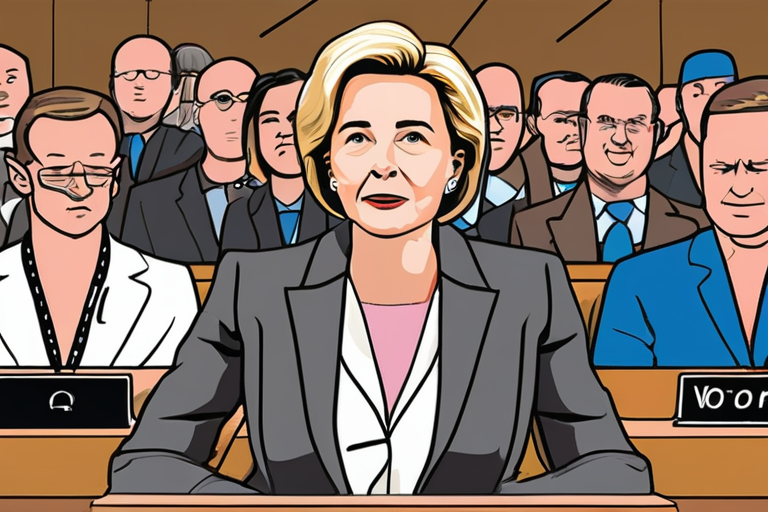
The European Commission has been pushing for a vote on the deal, with von der Leyen set to visit Brazil on Monday to finalize the agreement. However, the French government's call for a delay is likely to complicate the process, and it remains to be seen whether the EU will be able to reach a consensus on the deal.
As the EU and Mercosur continue to negotiate, the fate of the trade deal hangs in the balance. The delay requested by France is likely to be met with resistance from other EU member states, who may be eager to see the deal finalized. The outcome of the negotiations will have significant implications for European agriculture, trade, and the economy as a whole.
France Blocks EU-Mercosur Trade Deal Vote Over Unsuitable Conditions
1
0
Multi-Source Journalism
This article synthesizes reporting from multiple credible news sources to provide comprehensive, balanced coverage.










Share & Engage Share
Share this article