

Netflix's $82.6 Billion Acquisition of Warner Bros. Raises Questions About Consolidation in the Media Business
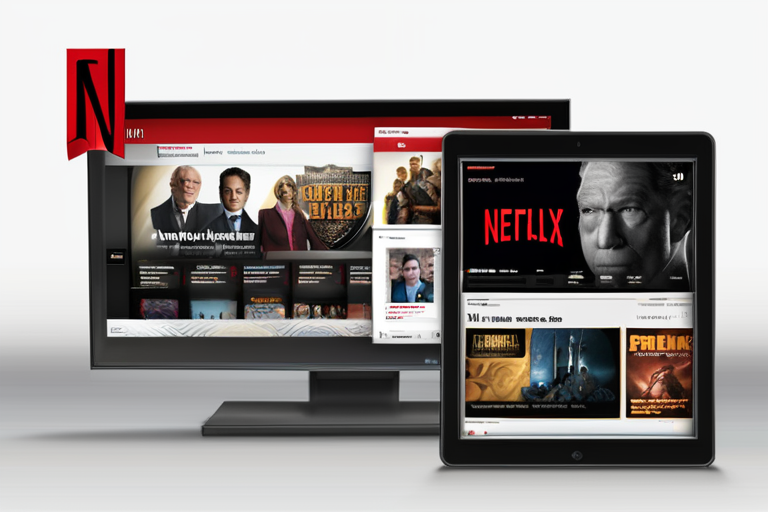
The proposed acquisition of Warner Bros. by Netflix has sent shockwaves through the entertainment industry, with many analysts and investors left wondering about the implications of this massive deal. The acquisition, valued at $82.6 billion, would mark a significant shift in the media landscape, as a tech giant takes control of a legacy Hollywood studio.
According to sources, Netflix executives have been in talks with Wall Street analysts, who are struggling to wrap their heads around the deal. The acquisition would give Netflix control of Warner Bros.' vast library of content, including iconic franchises such as Harry Potter and DC Comics. It would also provide Netflix with a significant boost in its production capabilities, as well as access to Warner Bros.' extensive network of studios and distribution channels.
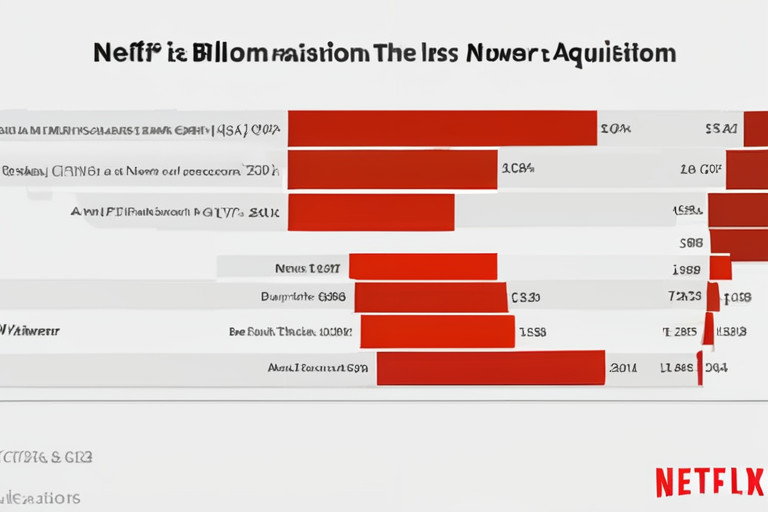
The financial details of the deal are staggering. Netflix would be taking on a significant amount of debt to finance the acquisition, with estimates suggesting that the company would need to borrow around $40 billion to complete the deal. This would put a significant strain on Netflix's balance sheet, and could potentially impact the company's ability to invest in new content and technology.
The market impact of the deal is also significant. The acquisition would mark a major consolidation in the media business, as a tech giant takes control of a legacy Hollywood studio. This could have far-reaching implications for the industry as a whole, as well as for consumers. With Netflix's vast resources and global reach, the company could potentially disrupt the traditional Hollywood business model, and create new opportunities for content creators and producers.
Warner Bros. has a long history in the entertainment industry, dating back to the early 20th century. The company has produced some of the most iconic films and TV shows of all time, including The Wizard of Oz, 2001: A Space Odyssey, and Friends. However, in recent years, the company has struggled to compete with the rise of streaming services, and has been looking for ways to adapt to the changing media landscape.
The acquisition of Warner Bros. by Netflix would mark a significant shift in the media landscape, as a tech giant takes control of a legacy Hollywood studio. While the deal would provide Netflix with a significant boost in its production capabilities and access to Warner Bros.' extensive network of studios and distribution channels, it would also put a significant strain on the company's balance sheet.
Looking ahead, the implications of the deal are far-reaching. The acquisition would mark a major consolidation in the media business, and could potentially disrupt the traditional Hollywood business model. It would also create new opportunities for content creators and producers, as well as for consumers. With Netflix's vast resources and global reach, the company could potentially revolutionize the way we consume media, and create new opportunities for innovation and growth.
In the end, the proposed acquisition of Warner Bros. by Netflix is a complex and multifaceted deal, with far-reaching implications for the media business and beyond. While the deal would provide Netflix with a significant boost in its production capabilities and access to Warner Bros.' extensive network of studios and distribution channels, it would also put a significant strain on the company's balance sheet. As the deal moves forward, one thing is clear: the media landscape will never be the same again.
Netflix's $82.6 Billion Warner Bros. Acquisition Sparks Industry Consolidation Fears
1
0

Multi-Source Journalism
This article synthesizes reporting from multiple credible news sources to provide comprehensive, balanced coverage.













Share & Engage Share
Share this article