

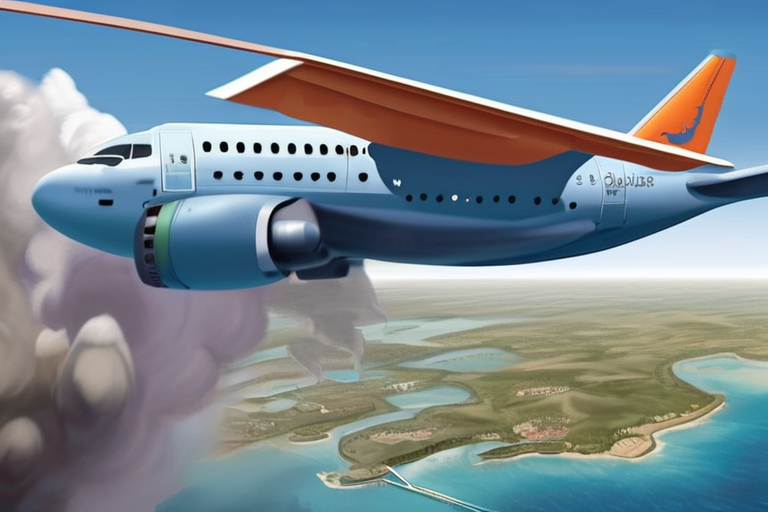
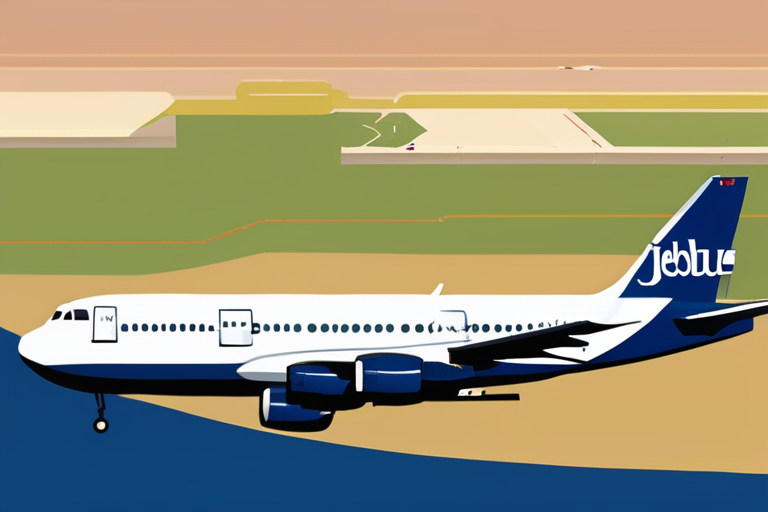
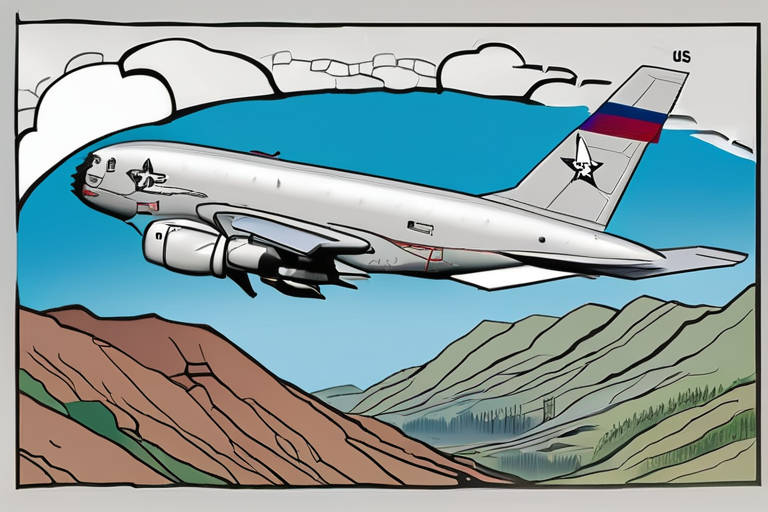
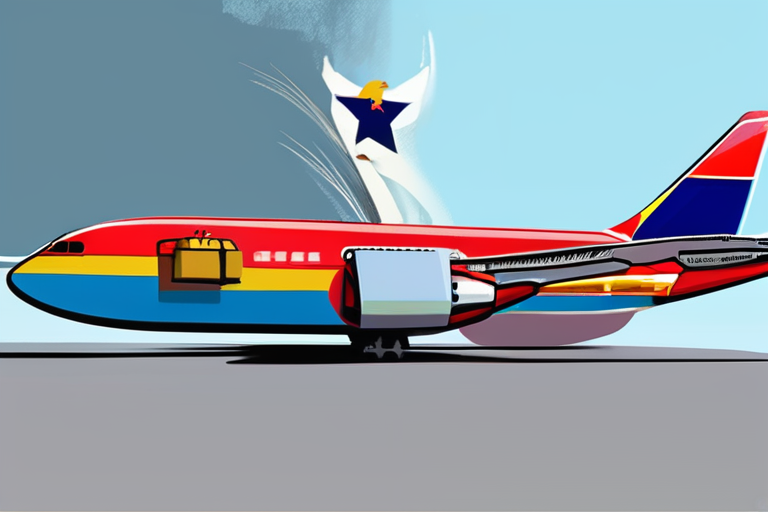
JetBlue Flight 1112 from Curaçao to New York City's JFK airport was forced to halt its ascent on Friday after the pilot reported a close call with a U.S. Air Force refueling tanker. The incident occurred in the airspace above the Caribbean, near the coast of Venezuela, where the U.S. military has been increasing its presence in recent months.
According to a recording of the conversation with air traffic control, the JetBlue pilot expressed frustration with the military plane's actions, stating, "They passed directly in our flight path. They don't have their transponder turned on, it's outrageous." The pilot also reported that the Air Force plane was at the same altitude as the JetBlue flight and was within 5 miles of the aircraft when it passed directly in front of it.
Derek Dombrowski, a spokesman for JetBlue, confirmed the incident and stated that the airline had reported it to federal authorities. "We have reported this incident to federal authorities and will participate in any investigation," Dombrowski said.
The incident highlights the complexities of air traffic control and the potential risks of mid-air collisions. The U.S. Air Force has been increasing its presence in the Caribbean in recent months, with a focus on drug interdiction and counter-narcotics operations. The military has also been seeking to increase pressure on Venezuela's government through a series of diplomatic and economic measures.
The use of refueling tankers in the region has raised concerns about the potential for mid-air collisions and the need for improved communication and coordination between military and civilian aircraft. The incident also highlights the importance of transponder technology, which is used to identify and track aircraft in real-time.
In response to the incident, the Federal Aviation Administration (FAA) has announced that it will be conducting a review of the incident and will be working with the U.S. Air Force to determine the cause of the close call. The FAA has also emphasized the importance of safe and responsible flight operations in the region.
The incident has sparked concerns about the safety of air travel and the need for improved communication and coordination between military and civilian aircraft. As the U.S. military continues to increase its presence in the region, the potential for mid-air collisions and other safety risks will remain a concern for airlines and air traffic controllers.
The investigation into the incident is ongoing, and it is unclear what the long-term implications will be for the U.S. military's presence in the Caribbean. However, the incident serves as a reminder of the importance of safe and responsible flight operations in the region and the need for improved communication and coordination between military and civilian aircraft.
Near-Disaster in Caribbean Skies: JetBlue Flight Avoids Midair Collision with U.S. Air Force Tanker
1
0
Multi-Source Journalism
This article synthesizes reporting from multiple credible news sources to provide comprehensive, balanced coverage.














Share & Engage Share
Share this article