

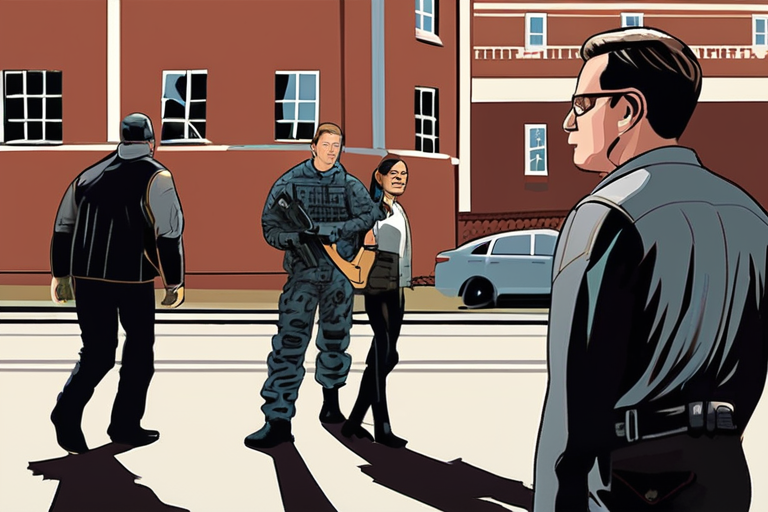
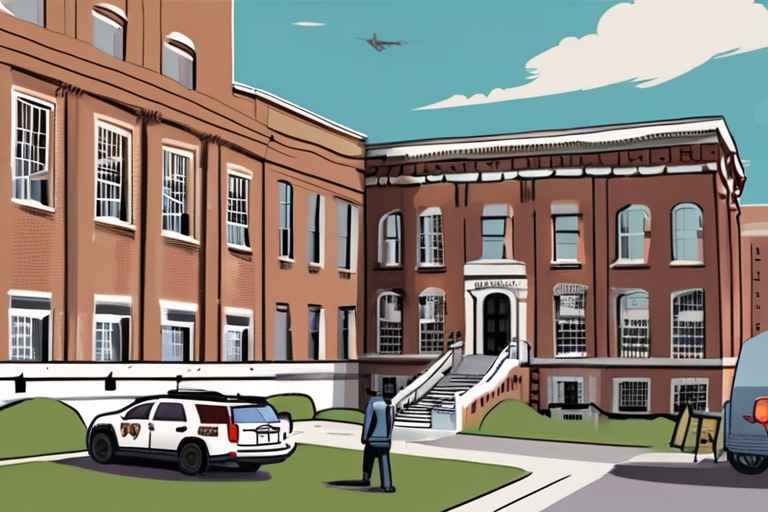
As the sun set over the picturesque campus of Brown University, a sense of unease settled over the community. On a typical Saturday afternoon, students were supposed to be studying for exams, attending club meetings, or simply enjoying the company of friends. But on December 9, 2023, the tranquility was shattered by the sound of gunfire. Two students lost their lives, and at least nine others were left wounded, their futures forever altered by the senseless act of violence.
The investigation into the shooting is ongoing, but one thing is clear: the incident has left the Brown University community reeling. As the police and university officials work to piece together the events of that fateful day, the nation is left to grapple with the implications of yet another mass shooting on American soil.
To understand the scope of the tragedy, it's essential to delve into the background and context surrounding the shooting. Brown University, with its esteemed reputation and diverse student body, is a microcosm of the country's complex social landscape. The university's commitment to fostering a inclusive and supportive environment is evident in its numerous initiatives aimed at promoting mental health, diversity, and social justice.
However, the shooting has also raised questions about the university's preparedness and response to such incidents. In the aftermath of the tragedy, Brown University President Christina Paxson issued a statement expressing her "deepest condolences" to the families of the victims and assuring the community that the university is working closely with law enforcement to ensure a thorough investigation.
As the investigation unfolds, experts are weighing in on the complexities of the case. Paul C. Kelly Campos, a journalist with Ocean State Media, notes that the shooting has sparked a renewed conversation about gun violence and mental health. "This incident highlights the need for a more comprehensive approach to addressing the root causes of gun violence," he says. "We need to look beyond the surface level and examine the underlying factors that contribute to these tragedies."
One of the key challenges in investigating the shooting is the lack of information about the perpetrator's motivations. While the police have released few details about the suspect, it's clear that the individual was a student at Brown University. The university's student body is comprised of over 10,000 students from diverse backgrounds, making it a challenging task to identify potential warning signs or red flags.
The Brown University shooting has also sparked a national conversation about the role of social media in shaping our perceptions of reality. In the hours following the shooting, social media platforms were flooded with misinformation and speculation about the incident. This has raised concerns about the spread of disinformation and the need for more effective fact-checking mechanisms.
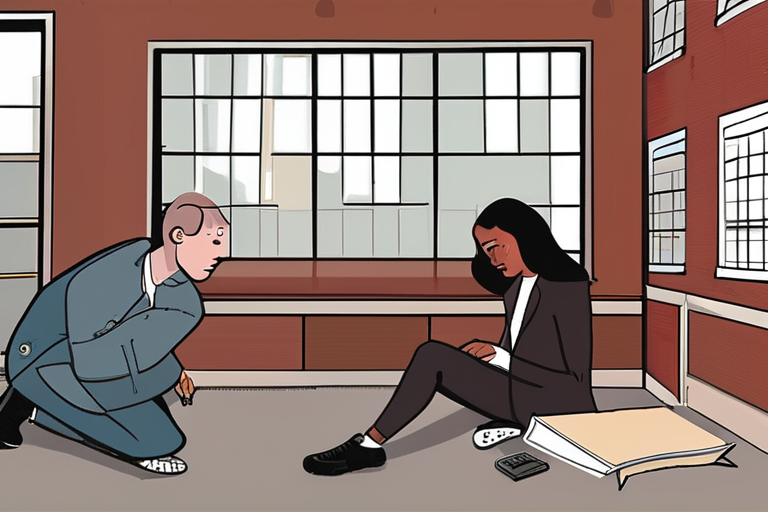
As the investigation continues, the Brown University community is coming together to support the victims and their families. A memorial service was held on campus, and a fund has been established to support the families of the victims. The university has also announced plans to provide counseling services to students and faculty affected by the tragedy.
In the aftermath of the shooting, it's clear that the nation is grappling with a complex web of issues. The Brown University shooting serves as a stark reminder of the need for a more comprehensive approach to addressing gun violence, mental health, and social media. As the investigation unfolds, one thing is certain: the impact of this tragedy will be felt for years to come.
In the words of Paul C. Kelly Campos, "The Brown University shooting is a wake-up call for all of us to re-examine our priorities and work towards creating a safer, more compassionate society." As the nation moves forward, it's essential that we prioritize the well-being of our communities and work towards a future where such tragedies are a thing of the past.
Brown University Shooting Investigation: Unpacking the Facts and Unsettling Reality
1
0
Multi-Source Journalism
This article synthesizes reporting from multiple credible news sources to provide comprehensive, balanced coverage.


















Share & Engage Share
Share this article