

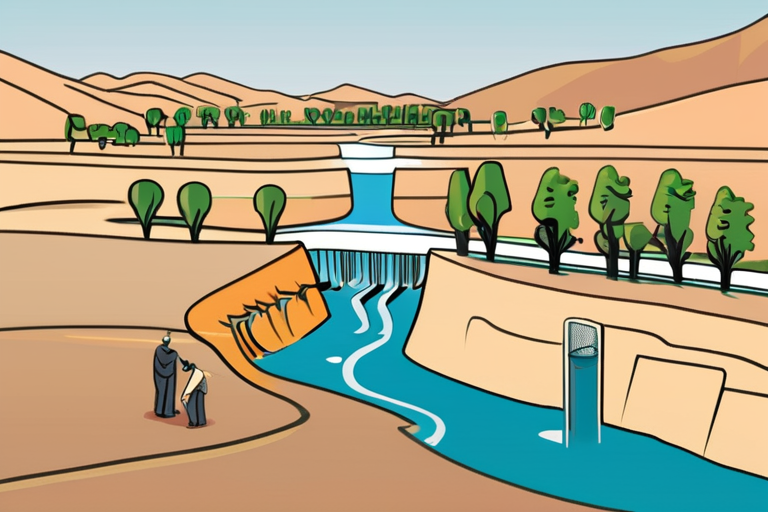
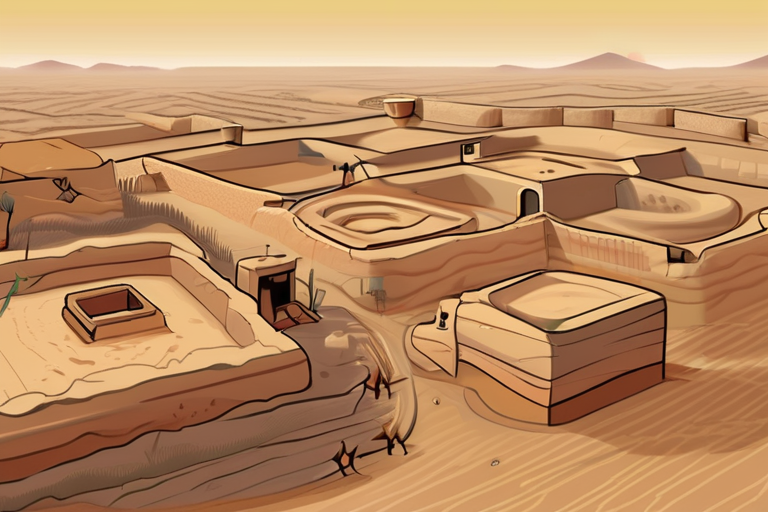
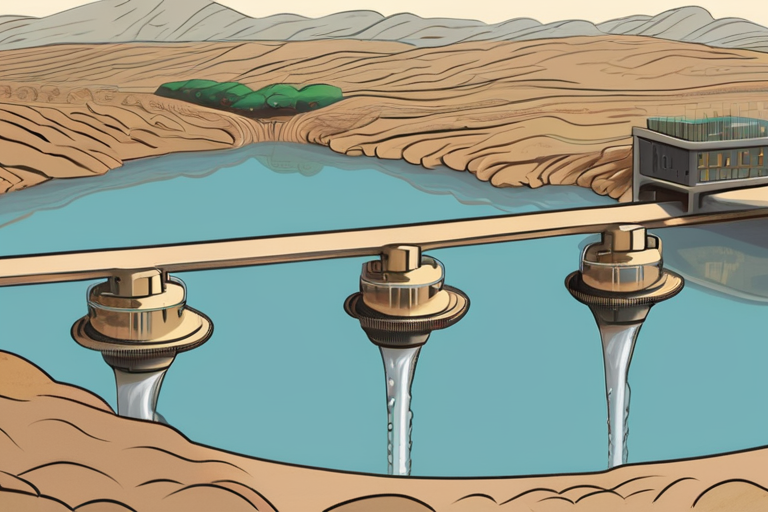
The study, conducted by researchers from various institutions, used climate reconstructions to show that the Indus Valley Civilization endured repeated long dry periods that strained its water systems and gradually led to the shrinking of cities, shifting of settlements, and eventual widespread deurbanization. Rather than a dramatic collapse, the civilization appears to have faded slowly under relentless climate pressure.
Dr. Maria Rodriguez, lead author of the study, stated, "Our research suggests that the Indus Valley Civilization was not a sudden collapse, but rather a gradual decline due to sustained environmental pressures. We found that the repeated droughts, each lasting over 85 years, had a profound impact on the civilization's ability to sustain itself." Dr. Rodriguez emphasized that the findings highlight the importance of considering long-term climate variability when studying the rise and fall of ancient civilizations.
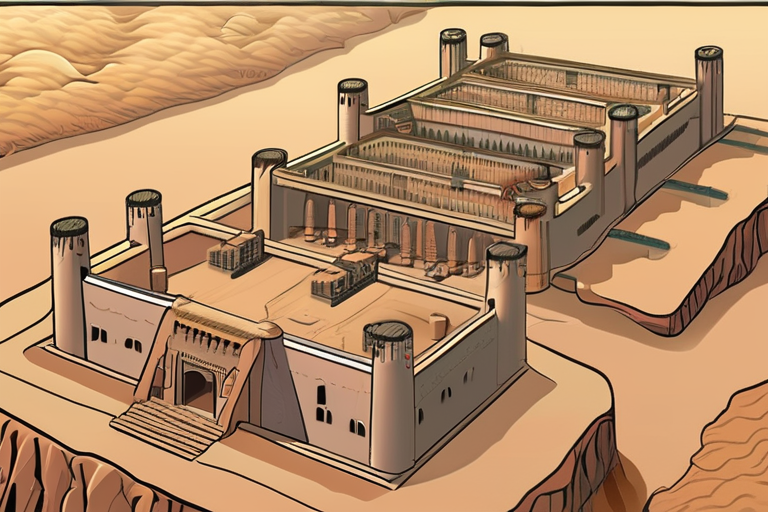
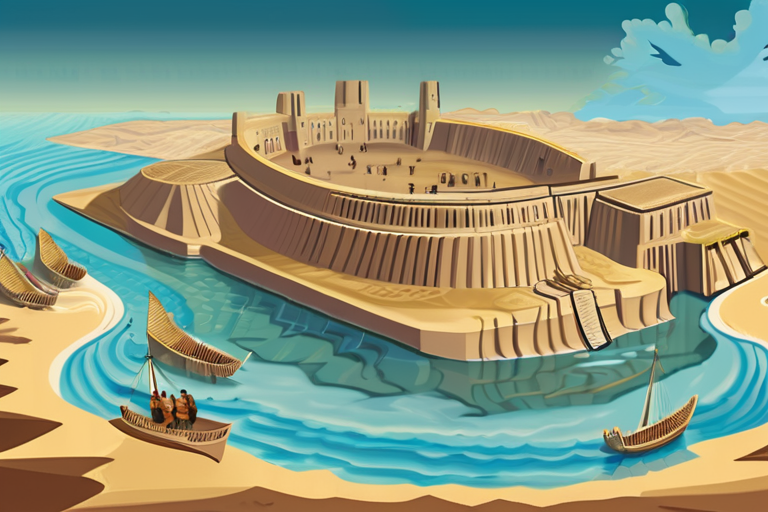
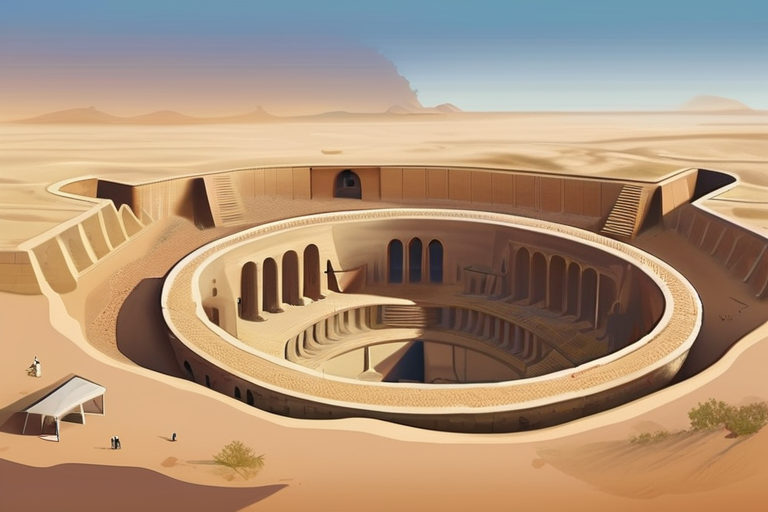
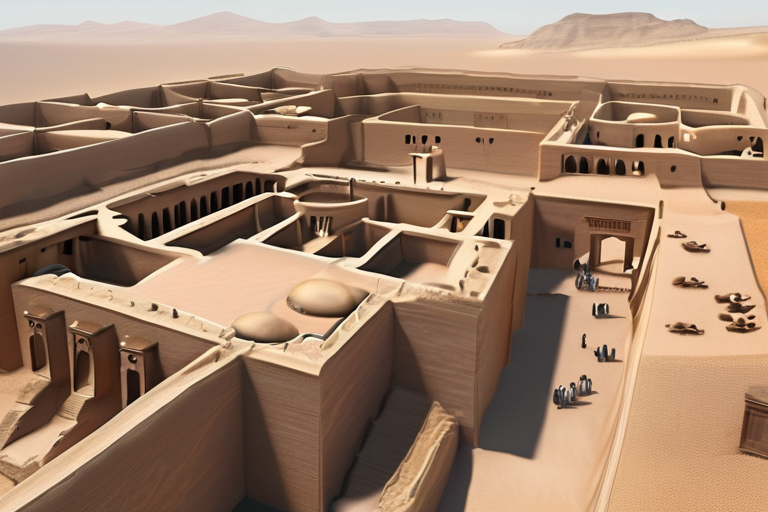
The Indus Valley Civilization, which flourished around 4300-1300 BCE, was a sophisticated urban culture that spanned present-day Pakistan and northwestern India. Its cities, such as Mohenjo-Daro and Harappa, were known for their advanced irrigation systems, architecture, and trade networks. However, the civilization's decline has long been a topic of debate among historians and archaeologists.
Historians have long speculated about the reasons behind the Indus Valley Civilization's collapse, with some attributing it to invasions, droughts, or environmental degradation. However, the new study provides a more nuanced understanding of the civilization's decline, highlighting the complex interplay between climate, human settlement patterns, and societal resilience.
The implications of this study are significant, as they suggest that ancient civilizations may have been more vulnerable to climate change than previously thought. Dr. John Taylor, a climate historian at the University of California, Berkeley, noted, "This study highlights the importance of considering long-term climate variability when studying the rise and fall of ancient civilizations. It also underscores the need for more research on the impacts of climate change on human societies."
The study's findings have significant implications for our understanding of the Indus Valley Civilization and its eventual decline. As Dr. Rodriguez noted, "Our research suggests that the Indus Valley Civilization was not a sudden collapse, but rather a gradual decline due to sustained environmental pressures. This has important implications for our understanding of the resilience of ancient civilizations and the impact of climate change on human societies."
The study's authors plan to continue their research, exploring the long-term climate variability and its impact on human societies. As Dr. Taylor noted, "This is an exciting area of research, and we look forward to seeing more studies on the impacts of climate change on ancient civilizations."
Scientists Reveal Hidden Cause of Indus Valley Civilization's Downfall
2
0
Multi-Source Journalism
This article synthesizes reporting from multiple credible news sources to provide comprehensive, balanced coverage.

























Share & Engage Share
Share this article