

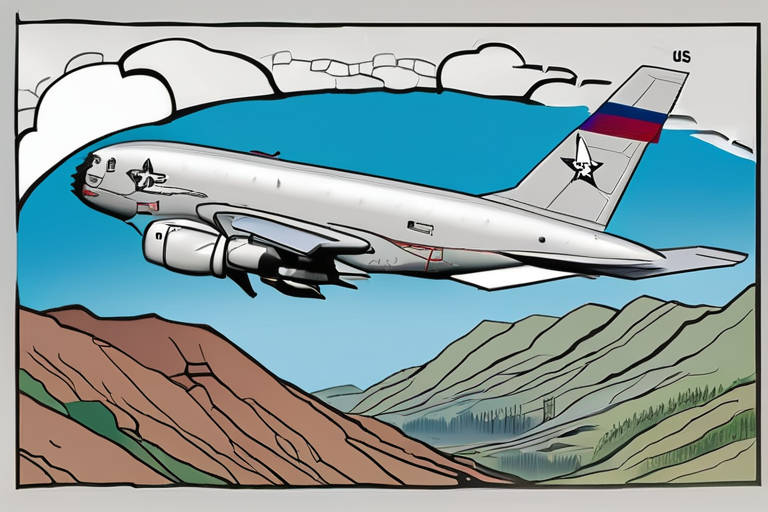
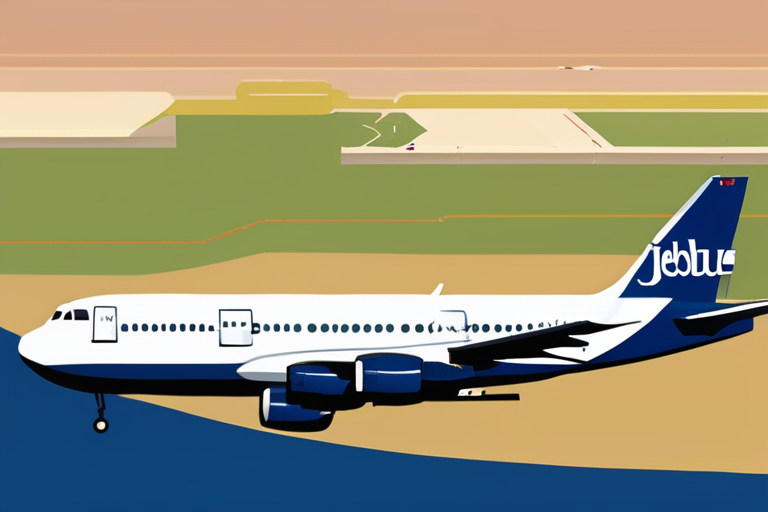
JetBlue flight 1112 from Curaçao, en route to New York City's JFK airport, narrowly avoided a midair collision with a US air force refueling tanker on Friday. According to air traffic control recordings, the JetBlue pilot expressed frustration with the military plane's lack of a functioning transponder, which is a critical safety device that helps identify aircraft on radar.
The incident occurred in the skies above Venezuela, where the US military has been conducting airstrikes against suspected drug smugglers in recent weeks. The JetBlue pilot, who has not been named, was heard telling air traffic control that the US air force tanker "passed directly in our flight path" and that it "didn't have their transponder turned on, it's outrageous." The pilot's voice was laced with concern and anger, highlighting the gravity of the situation.
The US military's use of refueling tankers in the region has been a topic of debate in recent months, with some critics arguing that the planes pose a risk to civilian air traffic. The incident on Friday has raised further questions about the safety protocols in place for military aircraft operating in civilian airspace.
The US air force has not commented on the incident, but the Federal Aviation Administration (FAA) has issued a statement emphasizing the importance of transponders in preventing midair collisions. "Transponders are a critical safety device that helps air traffic controllers track aircraft on radar," said an FAA spokesperson. "We take all incidents involving civilian and military aircraft seriously and are working to ensure that all aircraft operating in US airspace have functioning transponders."
The incident has also sparked concerns about the increasing presence of military aircraft in the Caribbean, where the US has been conducting a range of operations against suspected drug smugglers and other targets. The US military has been using a variety of aircraft, including refueling tankers, to support these operations, but the incident on Friday highlights the risks and challenges associated with these activities.
As the investigation into the incident continues, aviation experts are calling for greater transparency and accountability from the US military regarding its operations in the region. "This incident is a wake-up call for the US military to take a closer look at its safety protocols and to ensure that all aircraft operating in civilian airspace are equipped with functioning transponders," said one expert. "The safety of civilian air traffic must be the top priority in any military operation."
The incident on Friday has also raised questions about the role of technology in preventing midair collisions. The use of Automatic Dependent Surveillance-Broadcast (ADS-B) systems, which provide real-time location data to air traffic controllers, has been touted as a solution to the problem of midair collisions. However, the incident on Friday highlights the need for greater investment in these systems and for greater cooperation between the US military and civilian aviation authorities.
As the investigation into the incident continues, it remains to be seen what steps will be taken to prevent similar incidents in the future. However, one thing is clear: the safety of civilian air traffic must be the top priority in any military operation.
US Air Force Tanker's Transponder Failure Sparks Midair Collision Near Miss Over Venezuela
1
0
Multi-Source Journalism
This article synthesizes reporting from multiple credible news sources to provide comprehensive, balanced coverage.















Share & Engage Share
Share this article