

Near-Disaster in Caribbean Skies: JetBlue Flight Avoids Midair Collision with U.S. Air Force Tanker
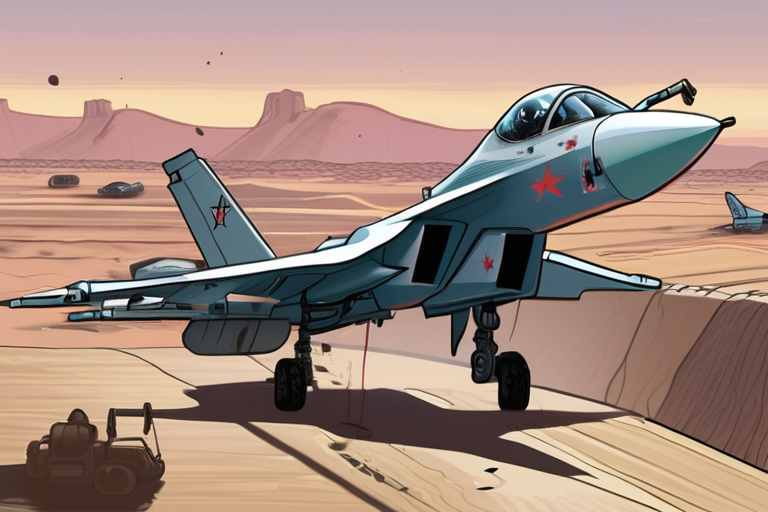
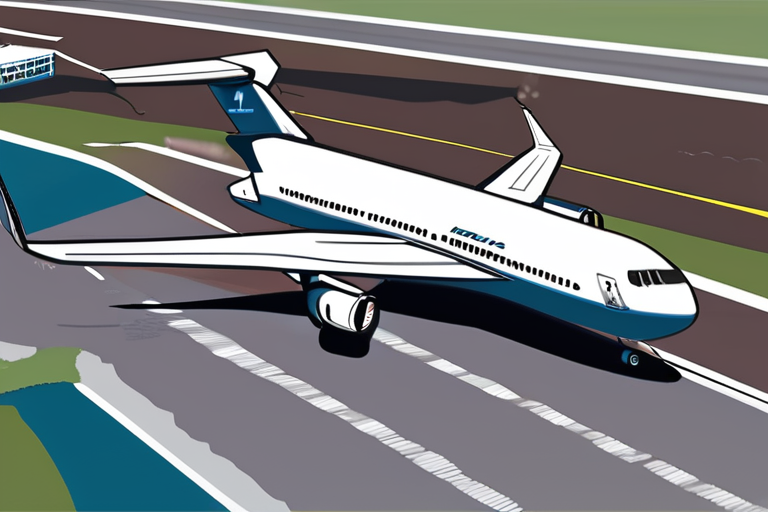
On Friday, a JetBlue flight from Curaçao to New York City narrowly avoided a catastrophic midair collision with a U.S. Air Force tanker, highlighting the complexities of air traffic control and the importance of clear communication between pilots and air traffic controllers. According to a recording of the conversation between the JetBlue pilot and air traffic control, the pilot attributed the close call to the military plane's failure to activate its transponder, a crucial safety feature that helps prevent collisions.
The incident involved JetBlue Flight 1112, which was en route to New York City's JFK airport when it encountered the U.S. Air Force tanker. The pilot, who wished to remain anonymous, expressed his frustration with the situation, stating, "They passed directly in our flight path. They don't have their transponder turned on, it's outrageous." The pilot's words were echoed by air traffic control, who acknowledged the close call, saying, "We almost had a midair collision up here."
The U.S. military has stepped up its drug interdiction activities in the Caribbean and is also seeking to increase pressure on Venezuela's government. The increased military presence in the region has raised concerns about the potential for midair collisions, particularly in high-traffic areas. According to the Federal Aviation Administration (FAA), the Caribbean is one of the busiest air traffic corridors in the world, with numerous commercial and military flights operating in the region.
The incident serves as a reminder of the need for strict adherence to safety protocols and the ongoing challenges of ensuring safe skies in high-traffic areas. "This near-miss serves as a wake-up call for all of us in the aviation industry," said a spokesperson for the FAA. "We must continue to prioritize safety and work together to prevent such incidents from occurring in the future."
The U.S. Air Force has not commented on the incident, but the incident highlights the importance of clear communication and safety protocols in preventing midair collisions. The FAA has launched an investigation into the incident and is working with the U.S. Air Force to determine the cause of the close call.
As the investigation continues, the aviation industry is left to ponder the implications of the near-disaster. "This incident is a stark reminder of the risks and challenges associated with air traffic control," said a spokesperson for the International Air Transport Association (IATA). "We must continue to work together to ensure the safe and efficient operation of air traffic in the Caribbean and around the world."
In the meantime, the U.S. Air Force has been instructed to activate its transponder in all future flights, a move that is seen as a precautionary measure to prevent similar incidents from occurring in the future. The FAA has also announced plans to increase air traffic control staffing in the Caribbean to reduce the risk of midair collisions.
The incident has sent shockwaves through the aviation industry, highlighting the need for continued vigilance and cooperation to ensure safe skies. As the investigation continues, one thing is clear: the stakes are high, and the consequences of a midair collision could be catastrophic.
"JetBlue Flight Dodges Disaster in Midair Collision with US Tanker"
1
0

Multi-Source Journalism
This article synthesizes reporting from multiple credible news sources to provide comprehensive, balanced coverage.


















Share & Engage Share
Share this article