

Ukraine's President Continues Ceasefire Talks in Berlin Amid Security Concerns
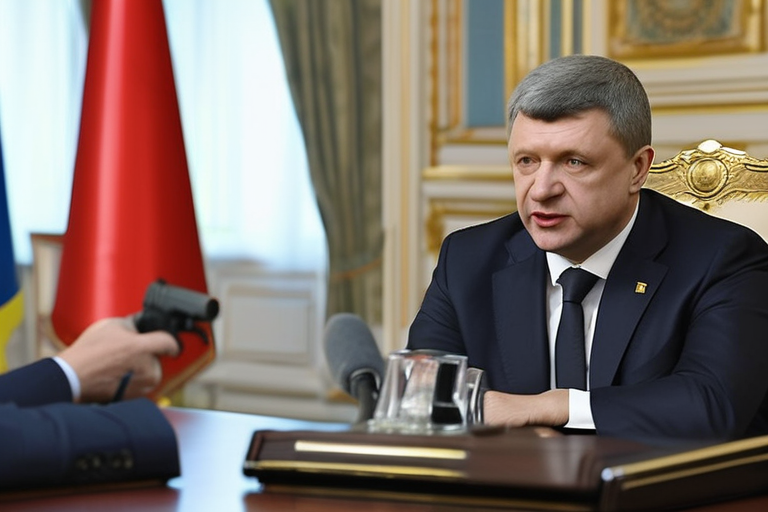
Ukraine's President Volodymyr Zelenskyy is in Berlin, where he is pressing European leaders and members of the Trump administration for concrete security guarantees to prevent Russia from invading Ukraine again. Zelenskyy's demands come after Russia broke previous security promises, leaving Ukraine vulnerable to future attacks.
The ceasefire talks, which began on December 14, are a critical moment in Ukraine's efforts to secure its borders. Zelenskyy and his team are seeking assurances from Russia that it will respect Ukraine's sovereignty and territorial integrity. The talks are being held in Berlin, where European leaders and US envoys are also in attendance.
The immediate impact of the talks is unclear, but Ukraine's President has made it clear that he will not accept anything less than concrete security guarantees. Zelenskyy has stated that Ukraine and its European allies want to see a clear commitment from Russia to respect Ukraine's borders, and that any agreement must be enforceable.
Background context suggests that Russia's previous security promises have been broken on multiple occasions, leaving Ukraine vulnerable to attack. In 2014, Russia annexed Crimea, and since then, there have been ongoing tensions between Ukraine and Russia. The current ceasefire talks are an attempt to address these concerns and prevent further conflict.
As the talks continue, the international community is watching closely. The outcome of the negotiations will have significant implications for Ukraine's security and stability, as well as for the broader region. If a deal is reached, it will be a major breakthrough in Ukraine's efforts to secure its borders, but if talks fail, the consequences could be severe.
The next steps in the negotiations are uncertain, but one thing is clear: Ukraine's President is determined to secure concrete security guarantees from Russia. The world will be watching as the talks continue, and the outcome will have far-reaching implications for the region and beyond.
Ukraine's President Seeks Ironclad Security Pledges in Berlin Ceasefire Talks
2
0
Multi-Source Journalism
This article synthesizes reporting from multiple credible news sources to provide comprehensive, balanced coverage.






























Share & Engage Share
Share this article