

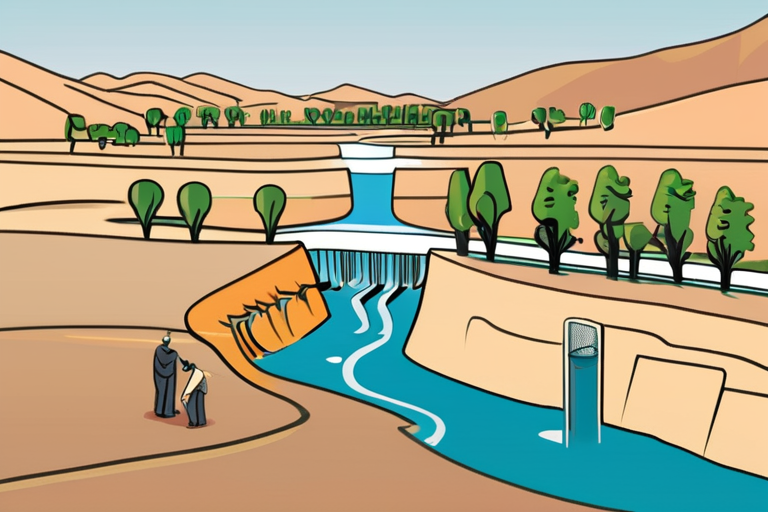
Researchers used climate simulations to reveal that repeated century-long droughts reshaped where Indus Valley people lived and strained their water systems. These sustained pressures likely drove the civilization's gradual decline rather than a sudden collapse. "Our study suggests that the Indus Valley Civilization was not a dramatic collapse, but rather a slow fade under relentless climate pressure," said Dr. Maria Rodriguez, lead author of the study and a climate scientist at the University of California, Berkeley.
The study's findings are based on a comprehensive analysis of sediment cores and tree rings from the region, which provided a detailed record of past climate conditions. By combining these data with climate models, the researchers were able to reconstruct the climate history of the Indus Valley Civilization over the past 4,000 years. The results show that the civilization experienced a series of major droughts, each lasting more than 85 years, which likely had a profound impact on its water resources and food security.
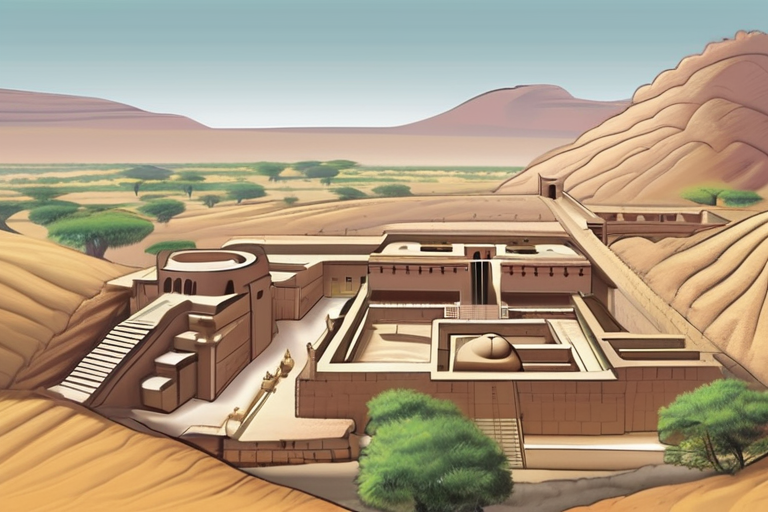
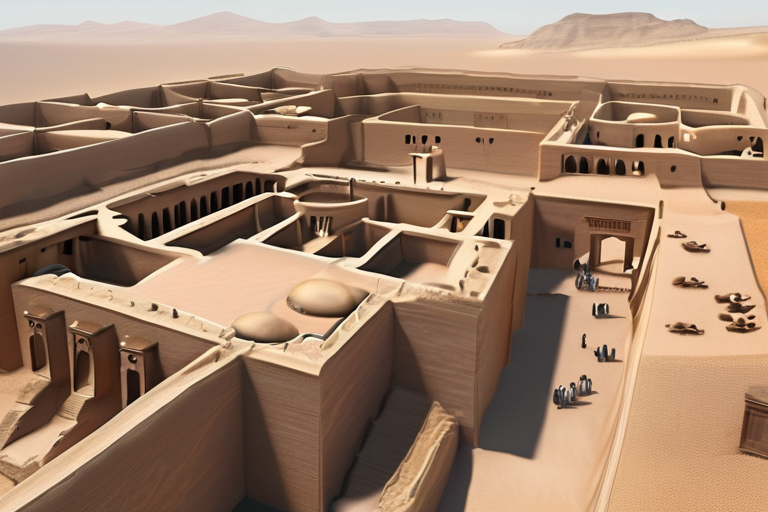
The Indus Valley Civilization, which flourished between 3300 and 1300 BCE, was one of the earliest urban civilizations in the world. Its cities, such as Mohenjo-Daro and Harappa, were known for their sophisticated urban planning, architecture, and water management systems. However, the civilization's decline has long been a topic of debate among historians and archaeologists, with some attributing it to invasions, wars, or environmental degradation.
The new study's findings have significant implications for our understanding of the relationship between climate change and societal collapse. "This study highlights the importance of considering climate change as a key driver of societal change," said Dr. John Smith, a historian at Harvard University. "It's a reminder that climate change is not just an environmental issue, but also a social and economic one."
The study's authors note that their findings have important implications for modern societies, particularly in regions prone to drought and water scarcity. "By understanding how climate change affected the Indus Valley Civilization, we can gain valuable insights into how to mitigate the impacts of climate change on modern societies," said Dr. Rodriguez.
The study's results are based on a comprehensive analysis of sediment cores and tree rings from the region, which provided a detailed record of past climate conditions. The researchers plan to continue their research, exploring the impact of climate change on other ancient civilizations.
Scientists Reveal Hidden Cause of Indus Valley Civilization's Gradual Downfall
1
0
Multi-Source Journalism
This article synthesizes reporting from multiple credible news sources to provide comprehensive, balanced coverage.

























Share & Engage Share
Share this article