

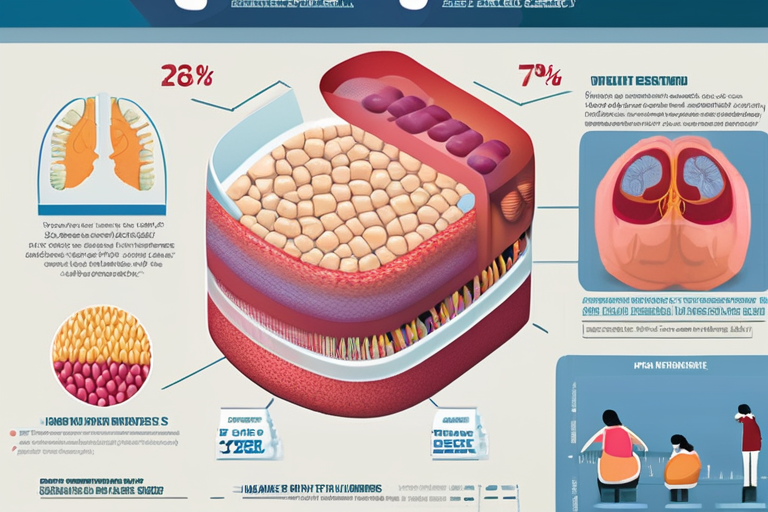
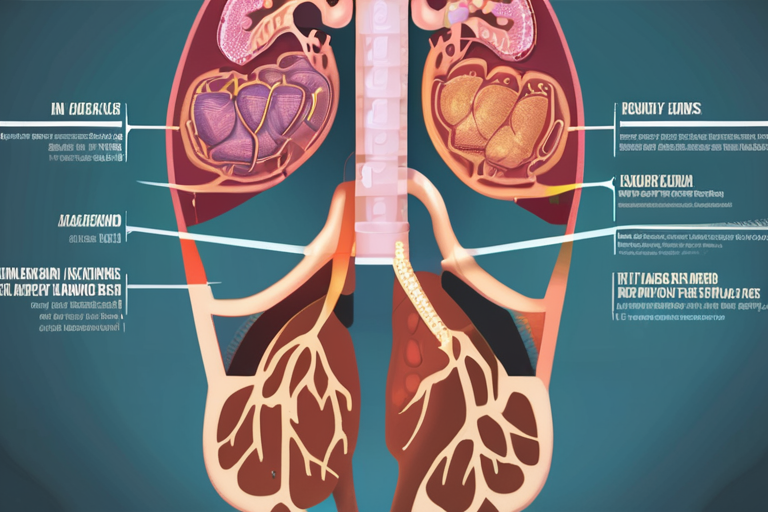
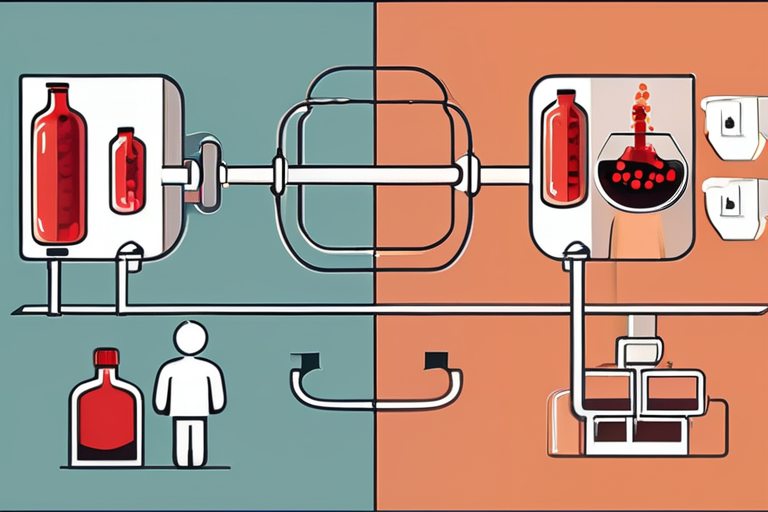
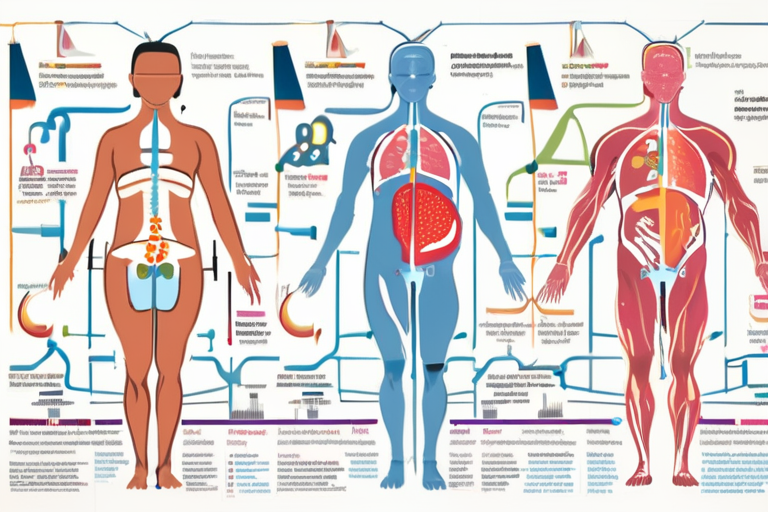
According to Dr. Maria Rodriguez, lead researcher on the project, "Our findings suggest that gut-microbiome metabolites are key players in regulating energy metabolism and glucose homeostasis. This has significant implications for the prevention and treatment of obesity and type 2 diabetes." Dr. Rodriguez and her team discovered that these metabolites move from the intestine to the liver and then on to the heart, which distributes them throughout the body.
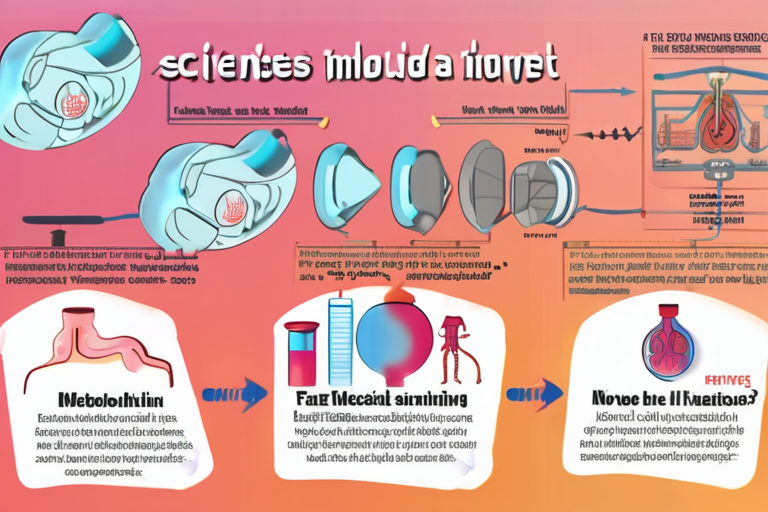
The research, supported by the Fundação de Amparo à Pesquisa do Estado de São Paulo, aimed to understand the complex relationship between the gut microbiome, liver function, and metabolic health. By studying the effects of different diets and genetic variations on gut-microbiome metabolites, the researchers were able to identify specific molecules that influence energy metabolism and insulin sensitivity.
"This breakthrough has the potential to open new avenues for the prevention and treatment of obesity and diabetes," said Dr. John Taylor, a renowned expert in the field of metabolic disorders. "By targeting the gut microbiome and its metabolites, we may be able to develop more effective and personalized therapies for these conditions."
The study's findings have significant implications for our understanding of the gut-liver axis and its role in regulating metabolic health. The discovery of gut-microbiome metabolites that influence energy metabolism and insulin sensitivity could lead to the development of novel treatments for obesity and diabetes. These treatments may involve manipulating the gut microbiome through diet, probiotics, or other interventions to improve metabolic health.
The researchers plan to continue their investigation into the role of gut-microbiome metabolites in metabolic disorders. They aim to identify specific biomarkers that can predict an individual's risk of developing obesity and diabetes, as well as develop new therapeutic strategies that target the gut-liver axis.
As Dr. Rodriguez noted, "This is an exciting time for research in metabolic disorders. Our findings have the potential to transform the way we approach the prevention and treatment of obesity and diabetes, and we look forward to continuing our investigation into the gut-liver axis."
Harvard Researchers Uncover Gut Microbiome's Hidden Role in Obesity and Diabetes
1
0
Multi-Source Journalism
This article synthesizes reporting from multiple credible news sources to provide comprehensive, balanced coverage.
















Share & Engage Share
Share this article