

Researchers at Kobe University have made a groundbreaking discovery about the mysterious parasitic plant lineage, Balanophora, which has been found to survive without sunlight or sexual reproduction. According to a recent study, the plants' plastid genomes shrank dramatically in a shared ancestor, yet the plastids remain vital for their essential metabolism. This remarkable adaptation has allowed the plants to thrive in isolated, humid forest habitats, where they have evolved repeatedly to reproduce asexually.
The study, which was published in a recent issue, found that Balanophora species have undergone extreme plastid reduction, losing many of the genes necessary for photosynthesis. However, despite this loss, the plastids continue to play a crucial role in the plants' metabolism, producing essential compounds and energy. This unique adaptation has allowed the plants to survive in environments where sunlight is scarce.
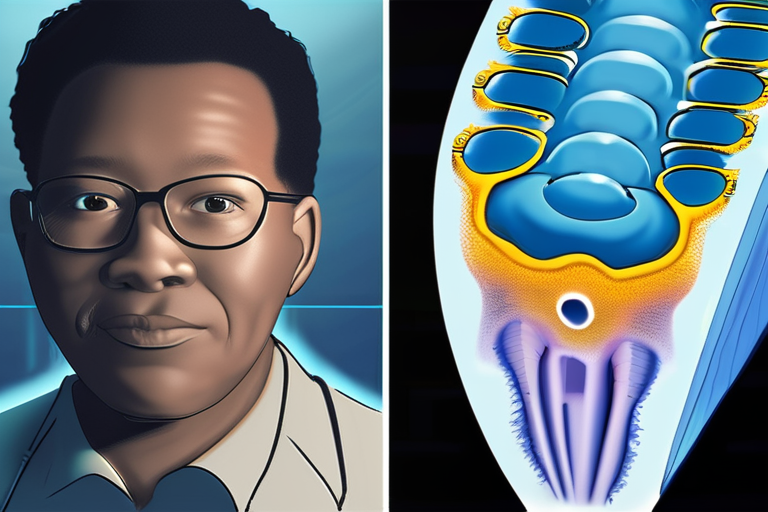
"We were surprised to find that the plastids in Balanophora species were still functional, despite the dramatic reduction in their genome," said Dr. Yumi Ito, lead researcher on the study. "This suggests that the plastids have evolved to take on new roles in the plant's metabolism, allowing them to survive in environments where photosynthesis is not possible."
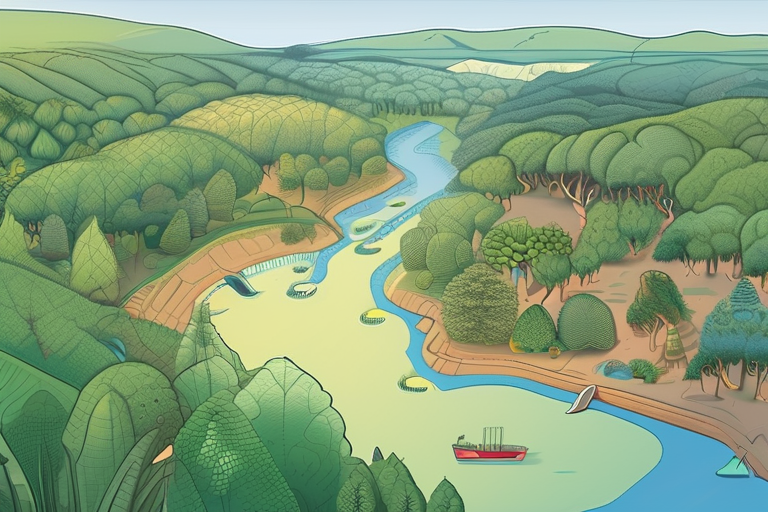
The researchers believe that the repeated evolution of asexual seed production in Balanophora species has played a key role in their ability to thrive in isolated, humid forest habitats. This adaptation has allowed the plants to colonize new areas and establish new populations, even in the absence of sunlight.
The study highlights the surprising resilience of these bizarre parasitic species, which have evolved to thrive in environments where other plants would struggle to survive. According to Dr. Ito, the discovery has important implications for our understanding of plant evolution and the diversity of plant life on Earth.
"Balanophora species are a fascinating example of how plants can adapt to different environments and evolve new strategies for survival," said Dr. Ito. "This study shows that even in the most unexpected places, there is still much to be discovered about the natural world."
The researchers plan to continue studying the Balanophora species, exploring the mechanisms behind their unique adaptations and how they have evolved to thrive in isolated environments. The study's findings have significant implications for our understanding of plant evolution and the diversity of plant life on Earth, and may lead to new insights into the development of crops and other plant species.
In related news, researchers at other institutions are also studying the unique adaptations of Balanophora species, exploring their potential applications in fields such as agriculture and biotechnology. As the study of these bizarre parasitic plants continues, it is likely that we will learn even more about the incredible diversity of plant life on Earth.
Scientists Uncover Secret to Sunlight-Free Survival in Mysterious Plant Lineage
1
0
Multi-Source Journalism
This article synthesizes reporting from multiple credible news sources to provide comprehensive, balanced coverage.



















Share & Engage Share
Share this article