

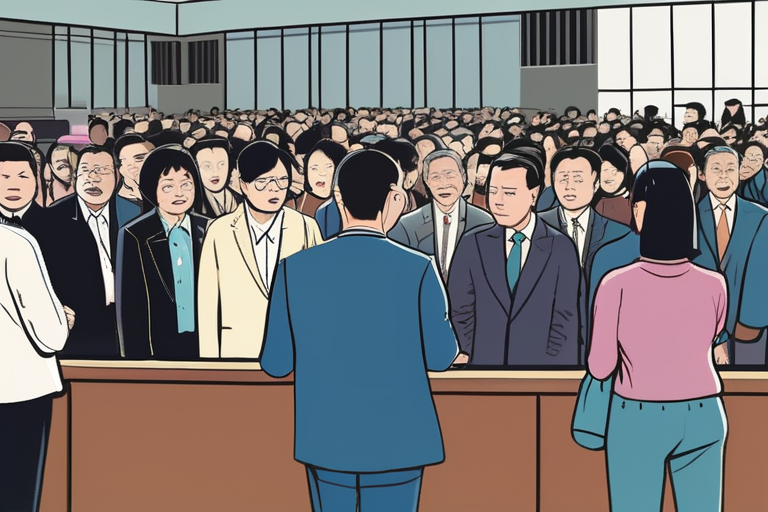
The verdict marks a major setback for Lai, who has been a vocal critic of the Hong Kong government and a key figure in the city's pro-democracy movement. Lai's lawyer, Martin Lee, expressed disappointment with the verdict, stating, "We are extremely disappointed with the verdict. It's a very sad day for Hong Kong and for the rule of law." Lee added that the verdict sets a "very bad precedent" for future cases involving national security charges.
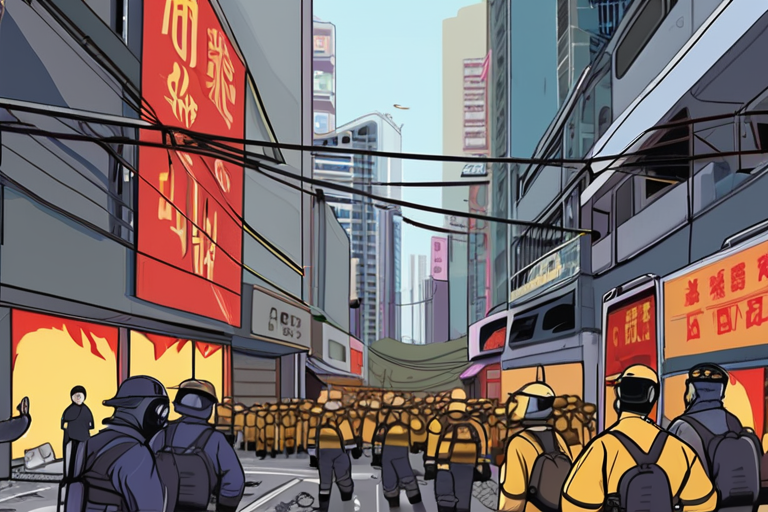
Lai was charged with colluding with foreign forces to endanger national security, inciting secession, and inciting subversion. The charges stem from his involvement in the 2019 anti-government protests in Hong Kong, which were sparked by a proposed extradition bill that would have allowed suspects to be sent to mainland China for trial. The protests eventually led to the introduction of the national security law, which has been used to crack down on dissent in the city.
The national security law, which was introduced in 2020, has been widely criticized for its broad and vague language, which allows the government to prosecute individuals for a wide range of activities deemed to be a threat to national security. The law has been used to arrest and prosecute numerous pro-democracy activists, including Lai, and has been seen as a major blow to the city's autonomy and freedoms.
The verdict is also seen as a significant blow to the pro-democracy movement in Hong Kong, which has been weakened in recent years by the introduction of the national security law and the arrest of key figures. The movement has been calling for greater autonomy and democracy in Hong Kong, which was a British colony until 1997 and was promised a high degree of autonomy when it was returned to China.
The case is expected to have significant implications for Lai's future, as well as for the ongoing pro-democracy movement in Hong Kong. Lai's lawyer has stated that he will appeal the verdict, and the case is expected to go to the Court of Final Appeal. The verdict is also seen as a test of the national security law, which has been widely criticized for its broad and vague language.
In a statement, the Hong Kong government said that the verdict "upholds the rule of law and the principles of justice." The government added that the national security law is "necessary to maintain national security and stability" in Hong Kong.
The verdict is also seen as a significant development in the ongoing crackdown on dissent in Hong Kong, which has been marked by the arrest and prosecution of numerous pro-democracy activists. The case is expected to have significant implications for the city's autonomy and freedoms, and is seen as a major test of the national security law.
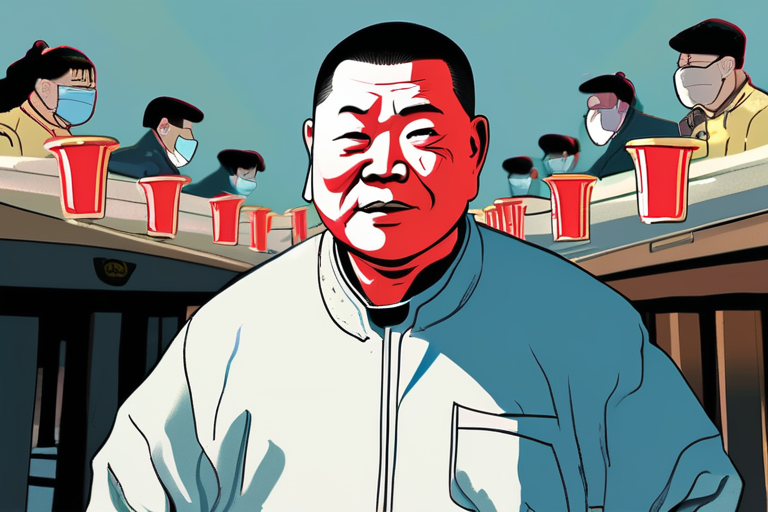
Hong Kong Court Convicts Pro-Democracy Leader Jimmy Lai in Landmark Trial
1
0
Multi-Source Journalism
This article synthesizes reporting from multiple credible news sources to provide comprehensive, balanced coverage.
























Share & Engage Share
Share this article