
Netflix CEOs Defend Warner Bros. Deal in Memo to Employees
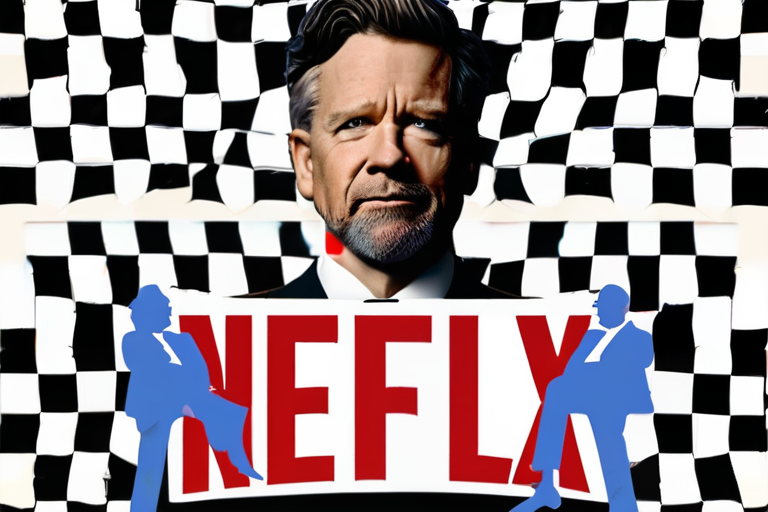
In a memo to employees, Netflix co-CEOs Ted Sarandos and Greg Peters expressed confidence that the company's deal to acquire Warner Bros. and HBO Max will withstand a counterattack by David Ellison's Paramount Skydance and clear regulatory hurdles. The acquisition, announced on December 5, 2025, has an enterprise value of $82.7 billion, making it one of the largest media deals in history.
According to reports, three days after the announcement, Paramount Skydance went hostile, with Ellison taking the company's 30% offer for all of Warner Bros. Discovery (WBD) directly to shareholders. Paramount's current offer has an enterprise value of $108.4 billion, significantly higher than Netflix's bid. The aggressive move by Paramount has sparked concerns about the future of the deal and its potential impact on the entertainment industry.
The numbers behind the deal are staggering. If successful, Netflix's acquisition of Warner Bros. and HBO Max would give the streaming giant control over a vast library of content, including iconic franchises such as Harry Potter, DC Comics, and Game of Thrones. The deal would also provide Netflix with a significant presence in the global market, with Warner Bros. studios operating in over 150 countries.
The market impact of the deal is significant, with analysts predicting a major shift in the entertainment industry. The acquisition would create a dominant player in the streaming market, potentially leading to increased competition and consolidation. Industry experts warn that the deal could also lead to a reduction in content diversity and a homogenization of the entertainment landscape.
Netflix's acquisition of Warner Bros. and HBO Max is a strategic move to expand the company's content offerings and increase its market share. The deal is part of a broader trend of consolidation in the entertainment industry, with companies seeking to gain a competitive edge in the rapidly changing media landscape.
The company's background is marked by a history of innovation and disruption. Founded in 2007, Netflix revolutionized the way people consume entertainment, shifting from a DVD-by-mail service to a streaming giant with over 230 million subscribers worldwide. The company's success has been driven by its commitment to original content, with hits such as Stranger Things, The Crown, and Narcos.
Looking ahead, the future of the deal remains uncertain. Paramount's counterattack has raised concerns about the deal's viability, and regulatory hurdles may still need to be cleared. However, Netflix's co-CEOs remain confident, stating that the deal is a "win for the entertainment industry, not the end of it." As the deal unfolds, one thing is certain: the entertainment industry will be shaped by the outcome, with far-reaching implications for consumers, creators, and the industry as a whole.
Netflix CEOs Stand Firm on Warner Bros. Deal Amid Industry Backlash
1
0
Multi-Source Journalism
This article synthesizes reporting from multiple credible news sources to provide comprehensive, balanced coverage.
















Share & Engage Share
Share this article