

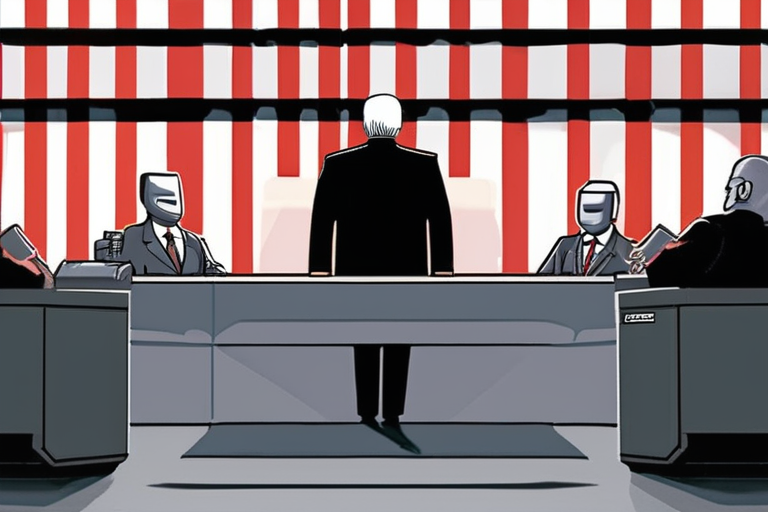
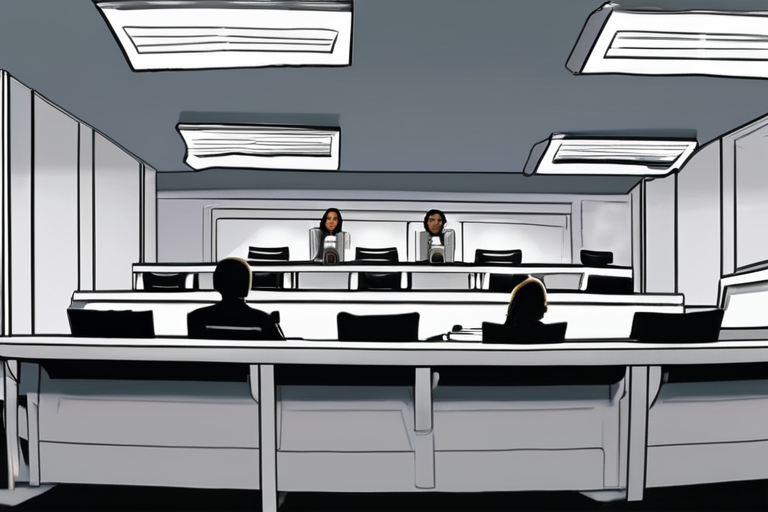
The National Labor Relations Board, the agency responsible for overseeing U.S. labor relations, has been largely sidelined for the past year due to a lack of quorum, mired in a legal limbo that has delayed the handling of major cases and fueled deep uncertainty about the future of federal labor law. The agency has for months had merely a single member on its five-seat board, two short of the required number to hear cases.
According to Lauren McFerran, a Democrat and former chairwoman of the N.L.R.B., the inability of the board to function for the last year has highlighted the broken state of the system. "Anyone could have seen this coming, but a year of nonfunctional labor law is a crisis point," she said. McFerran's statement reflects the concerns of many labor experts who have been warning about the consequences of the board's inaction.
The board's inaction has significant implications for workers and employers alike. In one case, the U.S. Court of Appeals for the Fifth Circuit ruled in August that the board's failure to act on unfair labor practice claims against SpaceX and two other companies was a result of the board's lack of quorum. The court's decision has left many wondering about the future of federal labor law and the role of the N.L.R.B.
The situation is further complicated by the possibility of a Supreme Court ruling that could fundamentally change the board's composition and powers. If the court rules that the president has wide powers to fire appointed officials at federal agencies, the board could be significantly altered, potentially leading to a shift in its priorities and policies.
The vacancies on the board have been a result of the Trump administration's efforts to reshape the agency. President Trump has nominated two individuals to fill the vacant seats, and the Senate is expected to vote on their confirmations as early as this week. However, even if the nominees are confirmed, the board's future remains uncertain, and many are left wondering about the long-term implications of the board's inaction.
Lauren McFerran emphasized the need for the board to be fully functional in order to effectively oversee labor relations in the country. "The N.L.R.B. plays a critical role in protecting the rights of workers and ensuring that employers comply with federal labor laws," she said. "Without a fully functioning board, the system is broken, and workers and employers alike are left in limbo."
The current status of the board and the potential consequences of its inaction have sparked a heated debate among labor experts and lawmakers. While some argue that the board's inaction is a result of the Trump administration's efforts to reshape the agency, others see it as a symptom of a larger problem with the federal labor law system. As the situation continues to unfold, one thing is clear: the future of federal labor law and the role of the N.L.R.B. remain uncertain, and the consequences of the board's inaction will be felt for years to come.
Trump's Cuts Leave US Labor Board in Gridlock, Delaying Justice for Workers
1
0
Multi-Source Journalism
This article synthesizes reporting from multiple credible news sources to provide comprehensive, balanced coverage.






Share & Engage Share
Share this article