

Ford has announced a significant shift in its electric vehicle manufacturing plans, a response to a year that has been challenging for the powertrain technology. The company will no longer produce a large all-electric truck, and instead, will focus on a broader range of hybrids, extended-range electrics, and battery-electric models. According to Ford executives, these vehicles will account for 50 percent of sales by the end of the decade, a decrease from the company's previous pledge to make electric vehicles account for 40 percent of global sales by 2030.
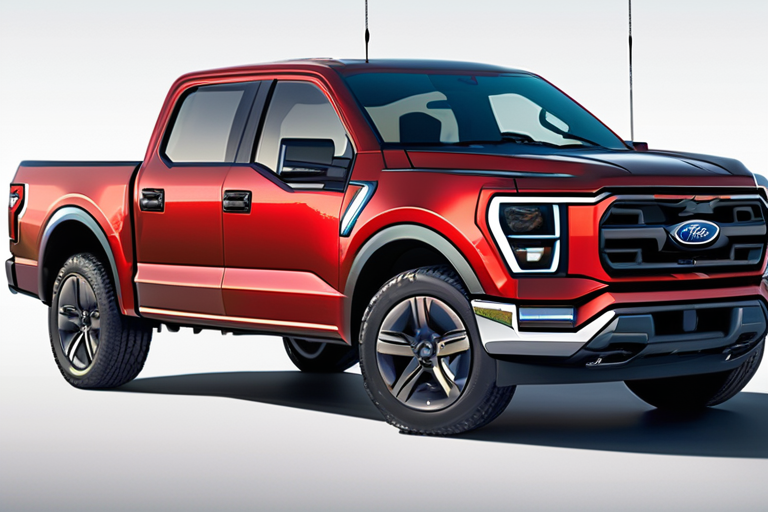
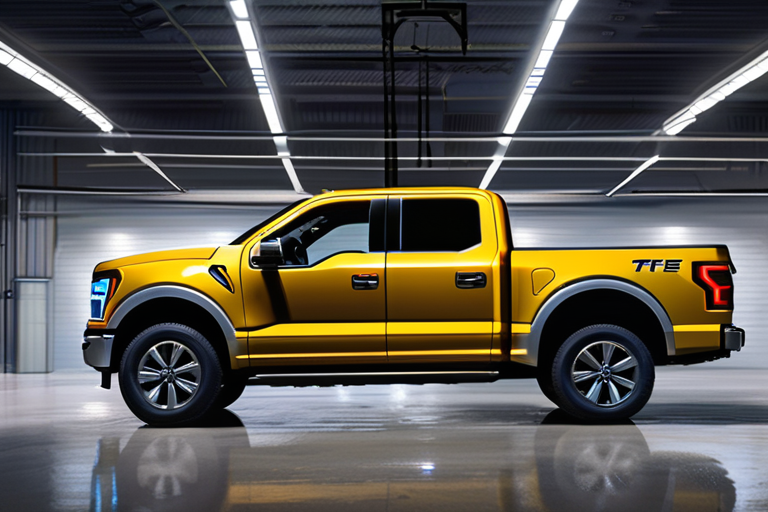
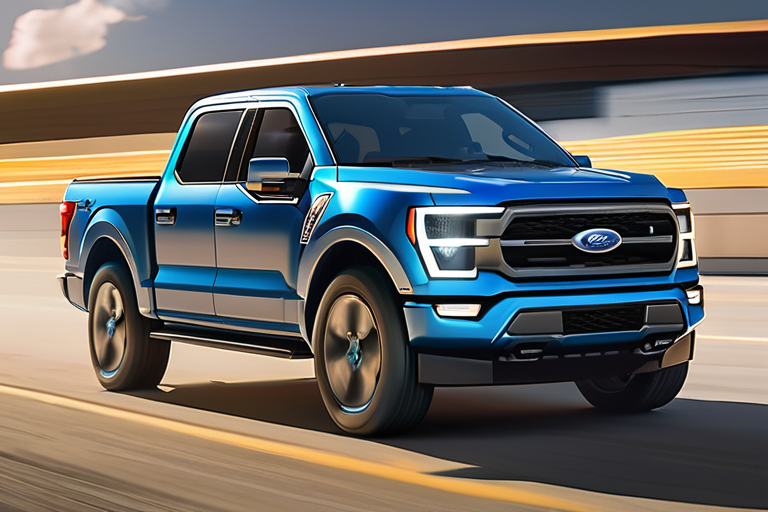
As part of this new strategy, Ford will repurpose an electric vehicle plant in Tennessee to build gas-powered cars. The next generation of Ford's all-electric F-150 Lighting will be an extended-range electric vehicle, or EREV, a plug-in hybrid that uses an electric motor to power its wheels while a smaller gasoline engine recharges the battery. This technology, which combines the benefits of electric and gasoline-powered vehicles, will be used in various models across Ford's lineup.
Ford's decision to shift its electric vehicle plans comes as the company faces a decline in domestic government support and weakening customer enthusiasm for electric vehicles. Despite this, Ford executives remain optimistic about the future of electric vehicles, citing advancements in technology and increasing demand from consumers. "We're not abandoning our commitment to electric vehicles, but we're adapting to the changing market," said a Ford spokesperson. "Our focus on hybrids and extended-range electrics will provide customers with more options and better value."
The automotive industry has been rapidly evolving in recent years, with many manufacturers investing heavily in electric vehicle technology. However, the COVID-19 pandemic and rising production costs have led to a decline in demand for electric vehicles. As a result, some manufacturers have been forced to reassess their plans and adjust their strategies to meet changing market conditions.
Ford's decision to focus on a broader range of electric and hybrid vehicles is seen as a pragmatic response to the current market. The company's commitment to investing in electric vehicle technology and expanding its lineup of hybrid and extended-range electric models will provide customers with more options and better value. As the automotive industry continues to evolve, Ford's decision to adapt to changing market conditions will be closely watched by industry observers and investors.
Ford's next-generation F-150 Lighting EREV is expected to be released in the coming years, with the company promising improved performance and range. The vehicle will be built at Ford's plant in Dearborn, Michigan, and will feature a range of advanced technologies, including a new battery management system and improved charging infrastructure. As the company continues to develop its electric vehicle lineup, Ford remains committed to its goal of reducing emissions and improving fuel efficiency across its range of vehicles.
Ford Abandons Large All-Electric Truck, Shifts Focus to Hybrid and Extended-Range EVs
1
0
Multi-Source Journalism
This article synthesizes reporting from multiple credible news sources to provide comprehensive, balanced coverage.






Share & Engage Share
Share this article