
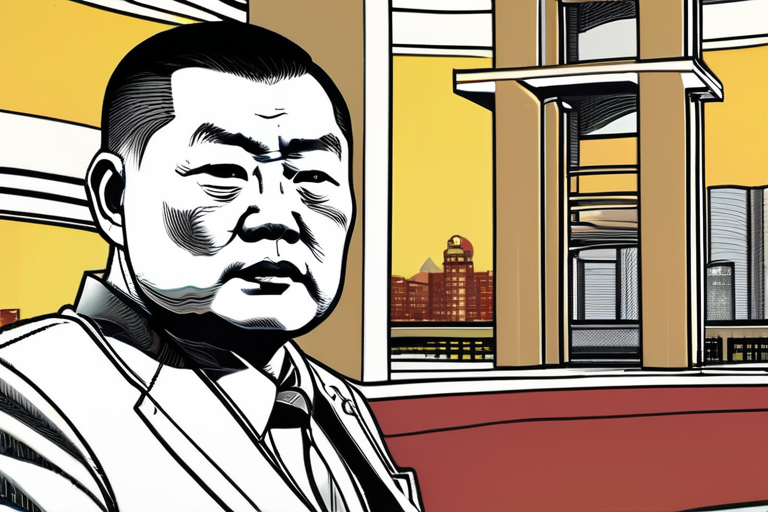
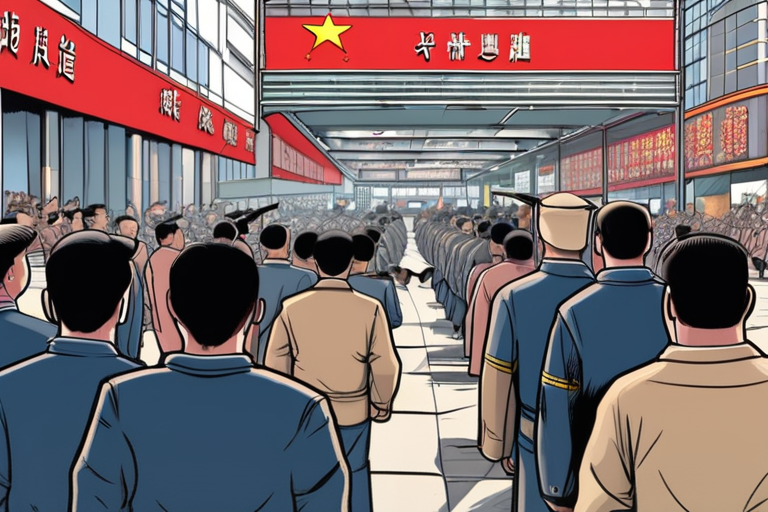
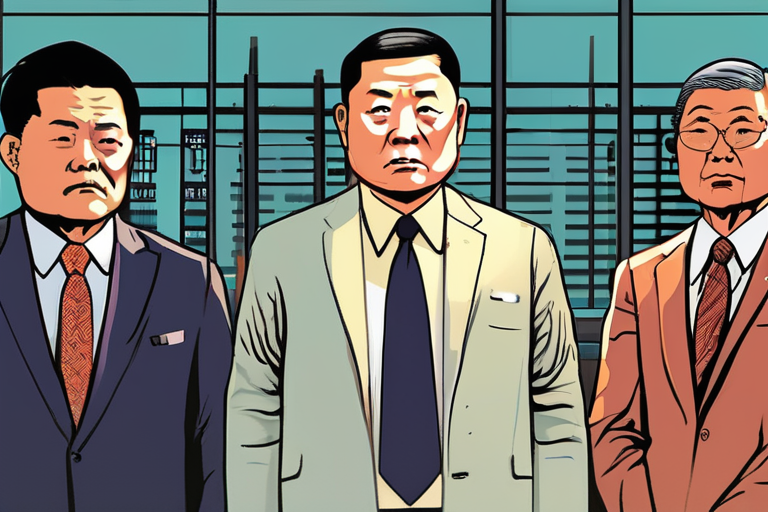
In a city where the once-vibrant streets of Hong Kong now echo with the eerie silence of censorship, a high-profile trial has brought the world's attention to the plight of a 78-year-old media tycoon, Jimmy Lai. For decades, Lai had been a thorn in the side of Beijing's authoritarian regime, using his Apple Daily newspaper to champion democratic values and challenge the Communist Party's grip on the city. But on Monday, Lai was found guilty of colluding with foreign forces under Hong Kong's contentious national security law, a verdict that has sent shockwaves around the globe.
To understand the significance of this case, it's essential to delve into the complex history of Hong Kong, a former British colony that was returned to China in 1997. The city's unique blend of East and West, its cosmopolitan culture, and its status as a major financial hub made it an attractive destination for entrepreneurs, artists, and activists alike. However, as China's influence over Hong Kong grew, so did concerns about the erosion of democratic freedoms and the suppression of dissent.
Jimmy Lai, a self-made billionaire and UK citizen, had long been a vocal advocate for democracy in Hong Kong. His Apple Daily newspaper, which was once the city's best-selling publication, was known for its fearless reporting and biting commentary on the government. Lai's defiance of Beijing's authority was not limited to his newspaper; he also used his platform to lobby foreign governments to impose sanctions on Hong Kong and China, a move that was seen as a direct challenge to the Communist Party's authority.
The national security law, which was imposed on Hong Kong in 2020, has been widely criticized as a tool for suppressing dissent and silencing opposition voices. The law, which carries penalties of up to life in prison, has been used to arrest and prosecute numerous pro-democracy activists, including Lai. The trial, which lasted several months, was marked by controversy and drama, with Lai's defense team arguing that the law was unconstitutional and that their client was being persecuted for his political views.
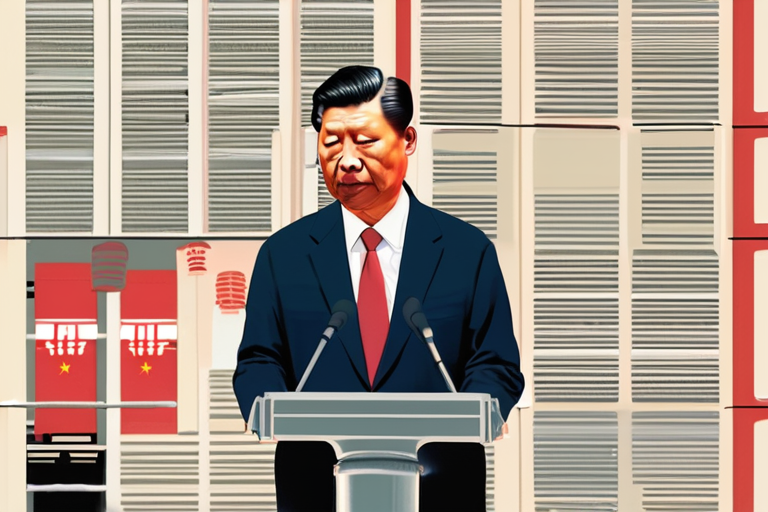
In delivering the verdict, Judge Esther Toh said that there was "no doubt" that Lai had "harboured hatred" for the People's Republic of China, citing his "constant invitation to foreign governments to impose sanctions on Hong Kong and China." The judge's words were seen as a clear indication that the court was willing to accept the prosecution's argument that Lai's actions were a threat to national security.
The verdict has been met with widespread condemnation from human rights groups and democracy activists around the world. "This is a cruel judicial farce," said a spokesperson for Amnesty International. "The national security law is a tool for suppressing dissent and silencing opposition voices. Jimmy Lai's conviction is a clear indication that the Chinese government is willing to use any means necessary to crush opposition."
The implications of the verdict are far-reaching, not just for Lai but for the future of democracy in Hong Kong. As the city's pro-democracy movement continues to struggle against the tide of authoritarianism, the conviction of a prominent figure like Lai sends a chilling message to activists and journalists who dare to challenge the status quo.
As the world watches, the question on everyone's mind is: what's next for Hong Kong? Will the city continue down the path of authoritarianism, or will the people find a way to reclaim their democratic rights? The verdict in Jimmy Lai's case is a stark reminder that the struggle for democracy is far from over, and that the fate of Hong Kong hangs in the balance.
Hong Kong Tycoon Jimmy Lai Convicted in Landmark National Security Case
1
0
Multi-Source Journalism
This article synthesizes reporting from multiple credible news sources to provide comprehensive, balanced coverage.

















Share & Engage Share
Share this article