

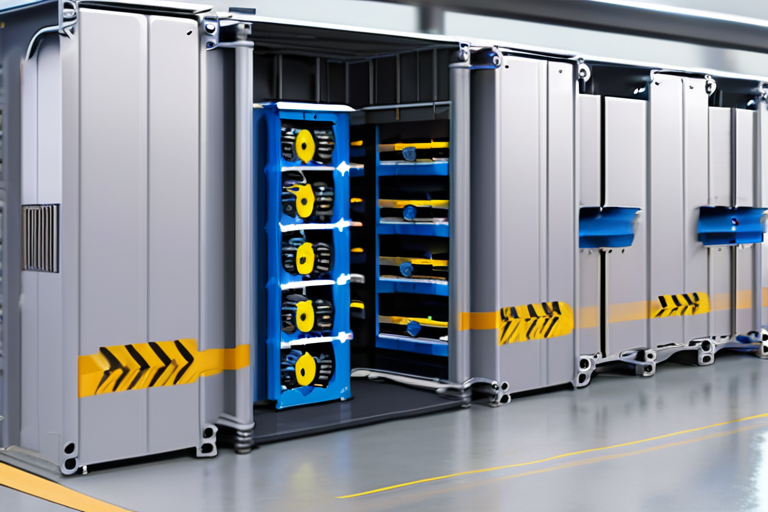
Ford announced Monday that it will pivot its battery production capacity into a new battery storage business, as the automaker shifts away from making large electric vehicles. The company plans to use the existing manufacturing capacity at its Kentucky factory to produce lithium iron phosphate batteries, battery energy storage system modules, and 20-foot DC container systems. Ford will invest approximately $2 billion in the new business over the next two years and aims to build 20GWh of annual capacity, with the first shipments expected in 2027.
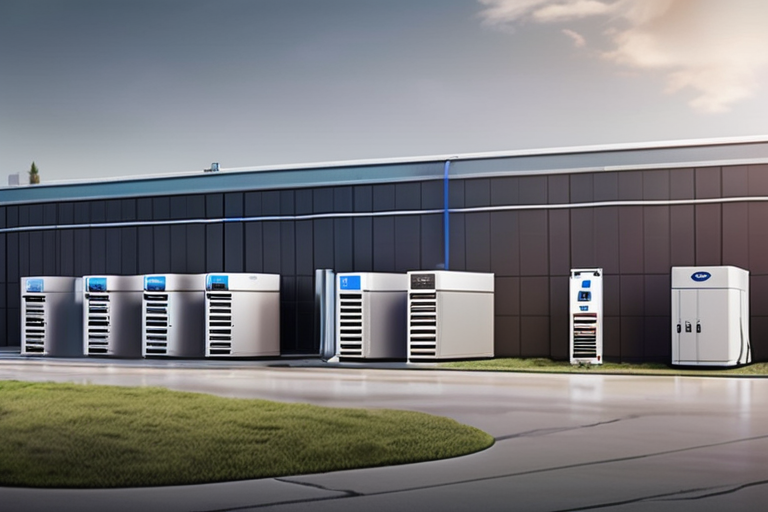
According to Ford, the battery storage systems will be used to power data centers and help buffer demand on the electric grid. The company will utilize technology licensed from China's CATL to produce the LFP batteries. This move marks a significant development in the battery storage space, as Ford joins a growing list of automakers entering the market. Tesla, for instance, has spent the last decade selling battery storage products and deploys around 10GWh every quarter.
The decision to repurpose the existing manufacturing capacity at the Kentucky factory is a strategic move by Ford to find a new home for its batteries. The company's shift away from making large electric vehicles is part of its broader strategy to adapt to changing market conditions and consumer preferences. By investing in battery storage, Ford aims to capitalize on the growing demand for energy storage solutions and reduce its reliance on the automotive market.
Industry experts note that the battery storage market is poised for significant growth, driven by the increasing adoption of renewable energy sources and the need for energy storage solutions. "This is a smart move by Ford to diversify its revenue streams and capitalize on the growing demand for energy storage," said an analyst at a leading research firm. "The company's experience in battery production will give it a competitive edge in the market."
Ford's entry into the battery storage market is expected to have a positive impact on the company's bottom line. The investment of $2 billion over the next two years is a significant commitment, but it is expected to yield returns as the company scales up its production capacity. The company's annual capacity of 20GWh is a substantial increase from the current market leaders, and it is expected to give Ford a significant share of the market.
Ford's battery storage business is expected to start shipping in 2027, with the company planning to expand its production capacity in the coming years. The company's Kentucky factory will be the primary production site for the battery storage systems, with the company investing in new equipment and technology to support the production process. As the battery storage market continues to grow, Ford's entry into the market is expected to have a significant impact on the industry.
Ford Diversifies into Battery Storage, Repurposing Kentucky Factory Capacity
1
0
Multi-Source Journalism
This article synthesizes reporting from multiple credible news sources to provide comprehensive, balanced coverage.










Share & Engage Share
Share this article