

A One-Off Funding Boost Falls Short for Historically Underfunded US Universities
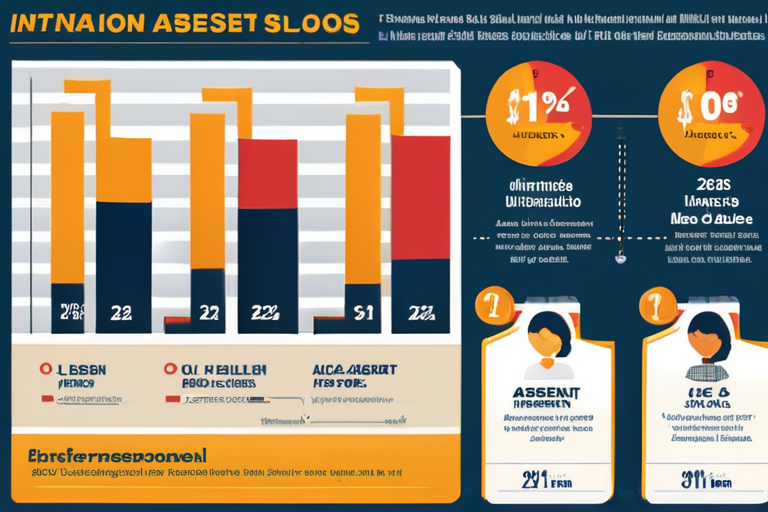
In a move to address the long-standing financial struggles of historically Black colleges and universities (HBCUs) and tribal colleges and universities (TCUs), the US government announced a one-off funding boost of $495 million in September. This injection of capital is a welcome development, but it does little to rectify the chronic underfunding that has plagued these institutions for years. According to data reported in 2024, HBCUs educate 1.5% of all university students yet receive only 0.9% of federal research and development (R&D) funding. Furthermore, the combined endowment assets of HBCUs stand at a paltry $100,000 per student, a stark contrast to the $2 million to $7 million per student held by the ten wealthiest US universities in 2023.
Meharry Medical College, a 150-year-old private historically Black health-sciences institution in Nashville, Tennessee, with approximately 1,500 students, has been at the forefront of navigating these financial challenges. As a scientist and administrator, Meharry's leaders have had to get creative with limited budgets. Despite these constraints, the institution has successfully increased its research funds and scholarly output over the past decade by employing metrics-driven decision-making.
One key strategy employed by Meharry has been to focus its investments on high-impact research areas, such as health disparities and precision medicine. By doing so, the institution has been able to attract external funding and build partnerships with industry leaders and other research institutions. This targeted approach has allowed Meharry to punch above its weight in terms of research productivity, with a notable increase in scholarly output and citations.
The market context for HBCUs and TCUs is complex and multifaceted. These institutions face significant barriers to accessing federal funding, including limited resources and a lack of representation on funding review panels. Furthermore, the historical legacy of underfunding has resulted in a brain drain, with many talented students and faculty members leaving these institutions to pursue opportunities at more well-resourced institutions.
The business implications of this underfunding are far-reaching and have significant societal implications. HBCUs and TCUs play a critical role in promoting diversity and inclusion in higher education, and their research output has a disproportionate impact on communities of color. By failing to adequately fund these institutions, the government is not only perpetuating inequality but also undermining the nation's research capacity and competitiveness.
Looking ahead, the future outlook for HBCUs and TCUs remains uncertain. While the one-off funding boost is a step in the right direction, it is only a temporary solution to a long-standing problem. To truly address the chronic underfunding of these institutions, policymakers must commit to a sustained and significant increase in funding. This will require a fundamental shift in the way federal funding is allocated, with a greater emphasis on equity and inclusion.
In the meantime, institutions like Meharry will continue to innovate and adapt, finding ways to maximize their limited resources and make a meaningful impact in their respective fields. As the US government grapples with the complex challenges facing HBCUs and TCUs, it is essential that policymakers prioritize the long-term sustainability and success of these vital institutions.
One-Off Funding Boost Falls Short for Historically Underfunded US Universities
1
0

Multi-Source Journalism
This article synthesizes reporting from multiple credible news sources to provide comprehensive, balanced coverage.
























Share & Engage Share
Share this article