

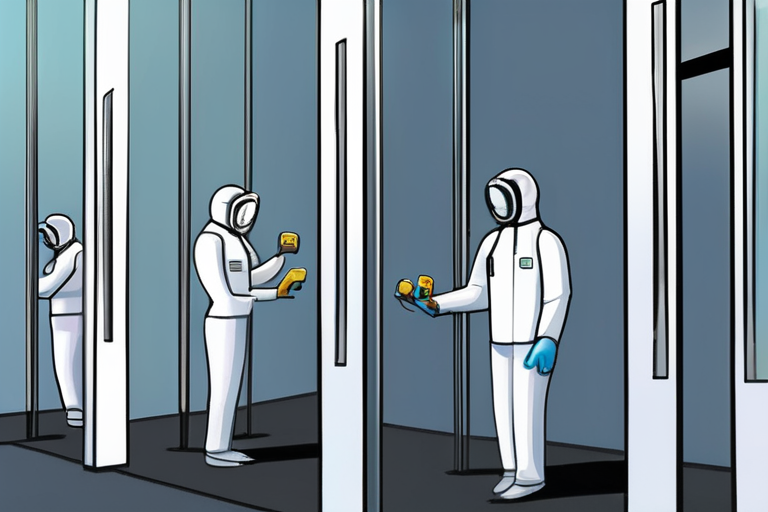
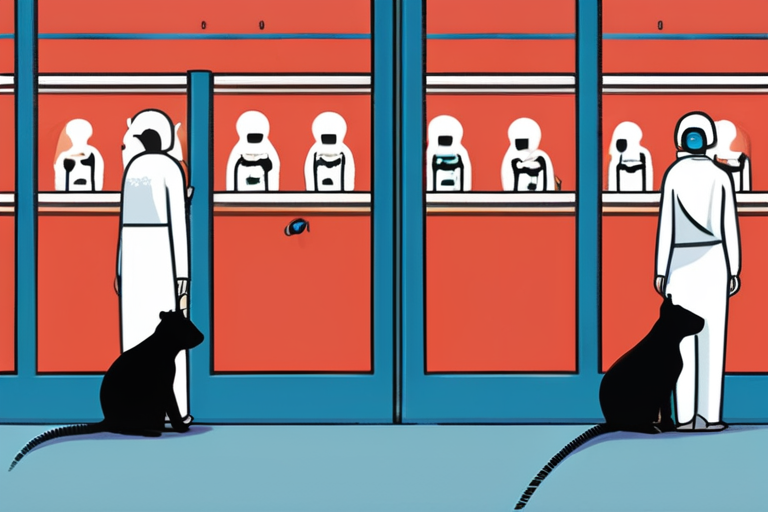
Regulatory bodies worldwide have recently implemented stricter safety guidelines for cloning, a move aimed at mitigating the risks associated with the rapidly advancing field. The new regulations, which come into effect immediately, require researchers to adhere to strict protocols for the handling and storage of cloned organisms.
According to Dr. Maria Rodriguez, a leading expert in the field of cloning, the new guidelines are a significant step forward in ensuring the safe and responsible use of cloning technology. "These regulations will help to prevent accidents and minimize the risks associated with cloning," she said. "They also provide a framework for researchers to follow, which will help to build trust in the field and promote public understanding of cloning."
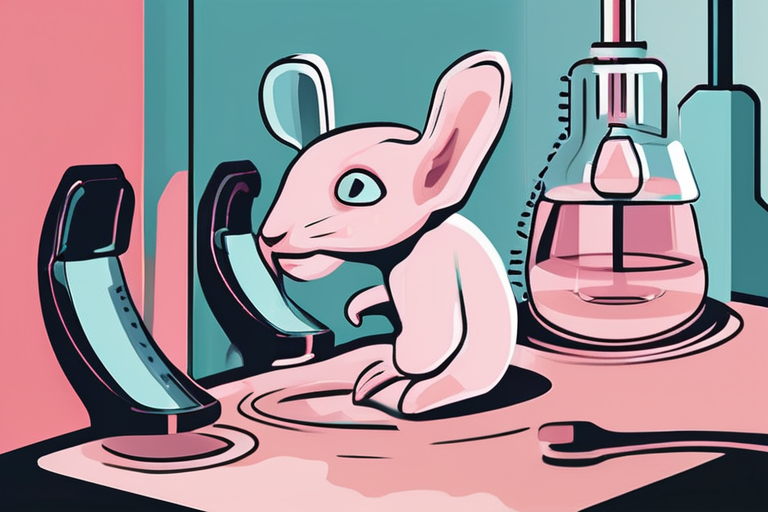
The new regulations were developed in response to a series of high-profile incidents involving cloned animals, which highlighted the need for greater oversight and accountability in the field. The guidelines cover a range of issues, including the use of cloning for reproductive purposes, the handling and storage of cloned embryos, and the reporting of adverse events.
In related news, a team of researchers at a leading university has developed a new compass that can accurately determine true north, even in areas with complex magnetic fields. The compass, which uses advanced algorithms and machine learning techniques to navigate, has been hailed as a major breakthrough in the field of navigation.
According to Dr. John Taylor, the lead researcher on the project, the new compass has the potential to revolutionize navigation in a variety of fields, including aviation, maritime, and surveying. "Our compass is able to accurately determine true north, even in areas with complex magnetic fields, which makes it ideal for use in a range of applications," he said.
The development of the new compass is part of a broader effort to improve navigation and mapping technologies. The researchers used a combination of machine learning and sensor data to develop the compass, which can be used in a variety of settings, including urban and rural areas.
The new compass is currently being tested in a range of environments, including areas with complex magnetic fields. The researchers are also exploring the potential applications of the compass, including its use in search and rescue operations and its potential to improve navigation in areas with limited infrastructure.
The implementation of the new safety guidelines for cloning and the development of the new compass are significant developments in their respective fields. As the field of cloning continues to advance, it is likely that regulatory bodies will continue to play a key role in ensuring the safe and responsible use of this technology. Similarly, the development of the new compass has the potential to revolutionize navigation in a variety of fields, and its impact will likely be felt for years to come.
In terms of next developments, researchers are already exploring the potential applications of the new compass, including its use in search and rescue operations and its potential to improve navigation in areas with limited infrastructure. The regulatory bodies are also expected to continue to play a key role in ensuring the safe and responsible use of cloning technology, and will likely continue to update and refine the guidelines as needed.
Regulators Clamp Down on Cloning with Stricter Safety Protocols
1
0
Multi-Source Journalism
This article synthesizes reporting from multiple credible news sources to provide comprehensive, balanced coverage.





























Share & Engage Share
Share this article