

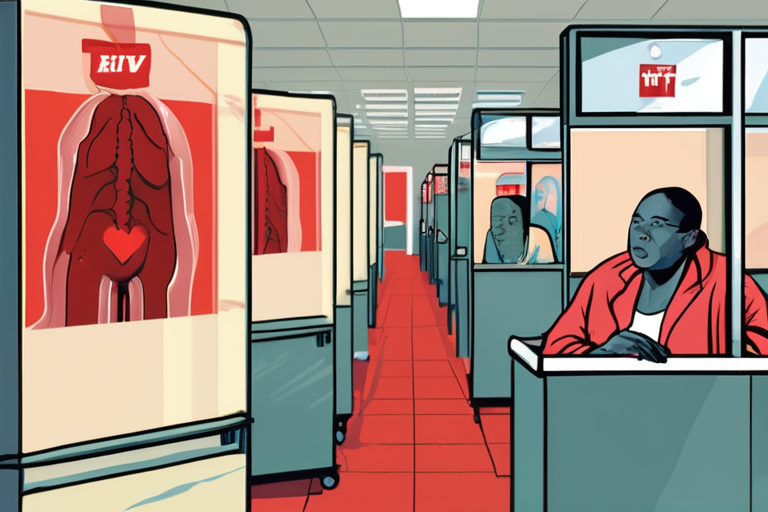
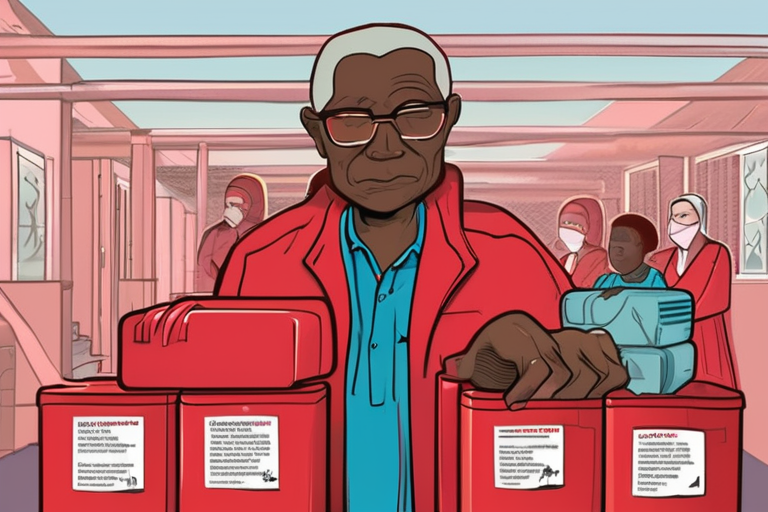
The US administration's freeze on USAID funding has severely affected HIV/AIDS programs in Africa, leaving many women and girls without access to essential healthcare services. According to reports, the cuts have resulted in a significant reduction in the availability of antiretroviral therapy, making it challenging for those living with HIV/AIDS to manage their condition. The impact has been particularly devastating in countries such as Kenya, where the Kibera slum in Nairobi has seen a surge in HIV-positive women struggling to access life-saving treatment.
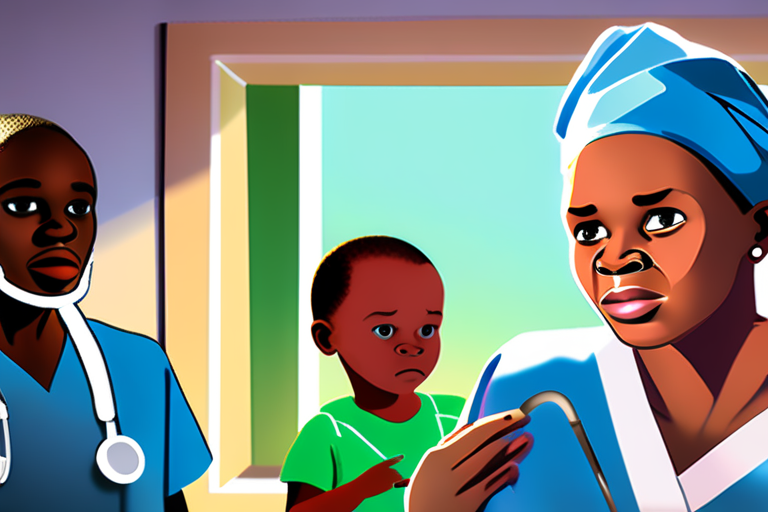
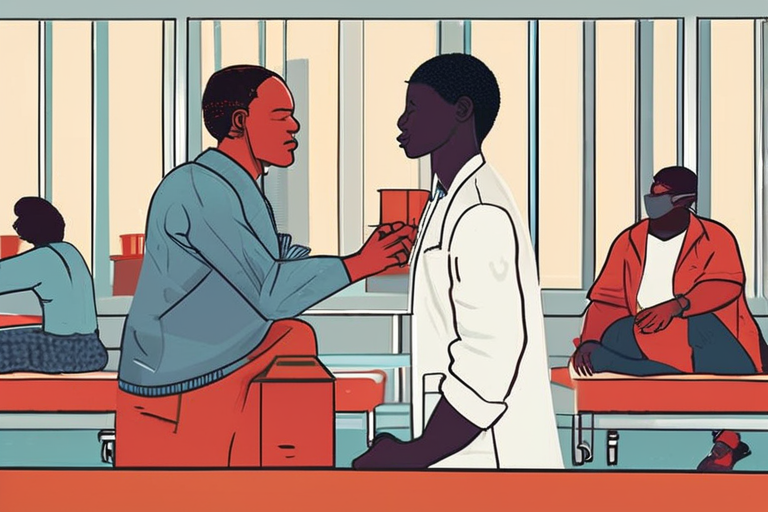
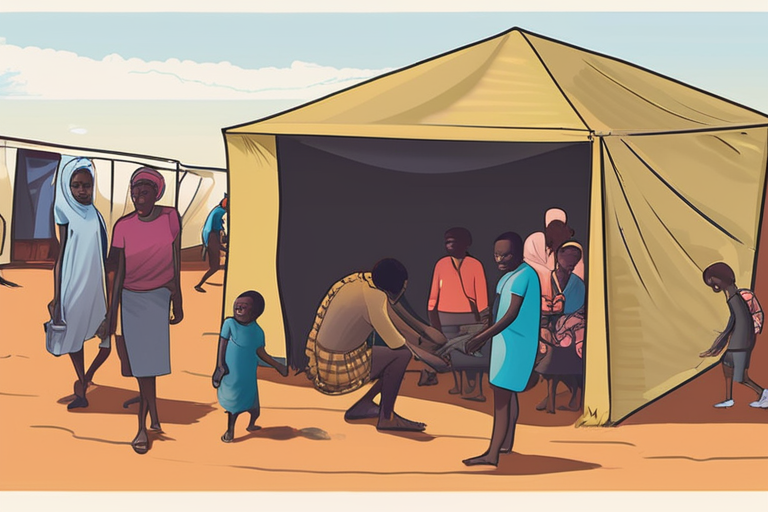
In an interview, an HIV-positive woman from the Kibera slum shared her concerns about the lack of access to healthcare services. "I'm scared for my life," she said. "The cuts to USAID have made it impossible for me to get the treatment I need. I'm not alone; many women in this community are suffering the same fate." The woman, who wished to remain anonymous, added that the situation has become increasingly dire, with many women forced to rely on makeshift treatment centers that lack the necessary resources and expertise.
The US administration's decision to freeze USAID funding has been widely criticized by women's rights organizations and healthcare advocates. "This is a devastating blow to the global fight against HIV/AIDS," said a spokesperson for the Global Health Council. "The US has a long history of leadership in this area, and its decision to abandon its commitment to global health is a betrayal of the trust placed in it by the international community." The spokesperson emphasized that the impact of the cuts will be felt for years to come, with many women and girls facing a lifetime of suffering and death due to lack of access to healthcare services.
The background to the US administration's decision to freeze USAID funding is complex and multifaceted. The move is part of a broader effort to reduce the US's global footprint and prioritize domestic interests. However, critics argue that this approach is short-sighted and will ultimately harm the US's own interests in the long run. "The US's decision to abandon its commitment to global health will have far-reaching consequences," said a senior official at the World Health Organization. "It will undermine trust in the US as a global leader and create a power vacuum that other countries will be eager to fill."
In addition to the impact on HIV/AIDS programs, the US administration's decision to freeze USAID funding has also had a broader impact on women's rights and health globally. According to reports, the cuts have resulted in a significant reduction in funding for reproductive health services, including family planning and maternal healthcare. This has left many women and girls without access to essential healthcare services, exacerbating existing health disparities and inequalities.
The current status of the situation is dire, with many women and girls facing a lifetime of suffering and death due to lack of access to healthcare services. However, there are also signs of resistance and activism, with women's rights organizations and healthcare advocates pushing back against the US administration's decision. "We will not stand idly by while women and girls are denied access to essential healthcare services," said a spokesperson for the Global Women's Health Alliance. "We will continue to advocate for the rights of women and girls and push for a more equitable and just world."
Next developments are expected in the coming weeks and months, as women's rights organizations and healthcare advocates continue to push for a reversal of the US administration's decision. The situation remains fluid and unpredictable, with many stakeholders holding their breath as they wait to see what the future holds.
Women's Rights Under Siege: USAID Cuts Leave African Girls Without Lifesaving Care
1
0

Multi-Source Journalism
This article synthesizes reporting from multiple credible news sources to provide comprehensive, balanced coverage.











Share & Engage Share
Share this article