

Mahmood Mamdani's life story is a testament to the complexities of identity, belonging, and the enduring legacies of colonialism. As a Ugandan citizen of Indian origin, Mamdani's experiences of exile and statelessness have shaped his scholarship and influenced his son's path to politics. This is a story of how Uganda's history has intertwined with the lives of two generations of Mamdanis, leaving an indelible mark on their sense of belonging and purpose.
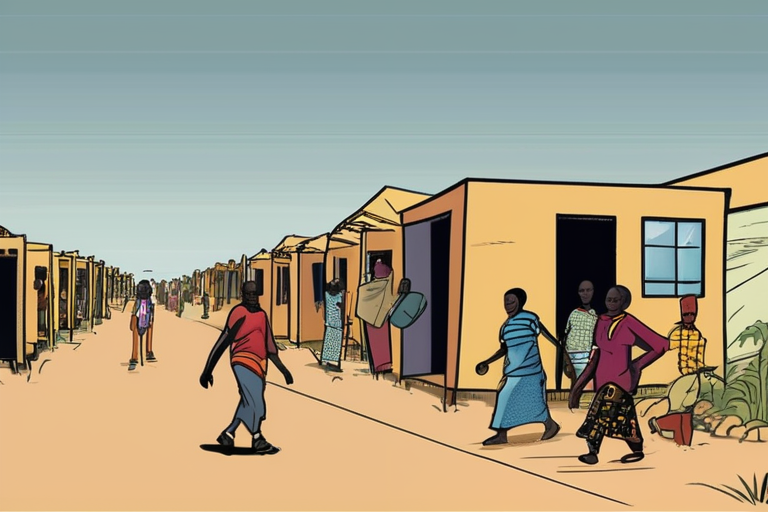
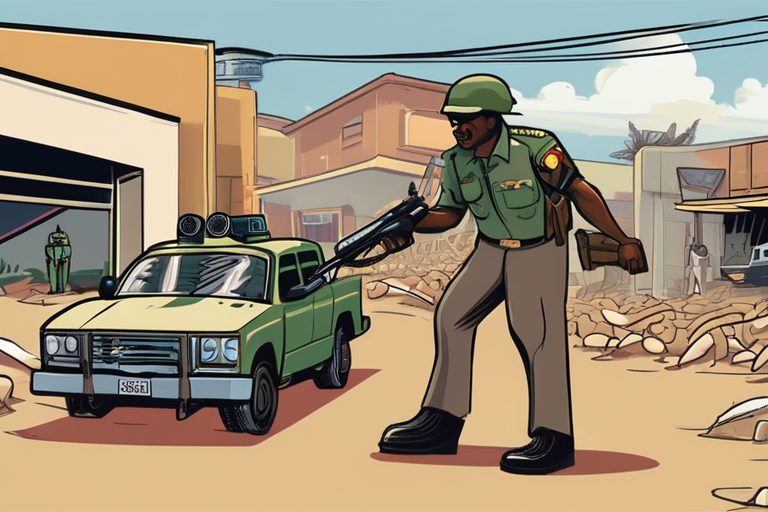
Growing up in Uganda, Mamdani's family was caught in the crossfire of colonialism and anti-colonialism. His father, a merchant, had moved to Uganda from India in the early 20th century, seeking economic opportunities. However, as the British colonial powers tightened their grip on East Africa, Mamdani's family found themselves at the center of a maelstrom of ethnic and nationalist tensions. In 1972, Ugandan President Idi Amin, a self-proclaimed anti-colonialist, launched a campaign of forced expulsion against Uganda's Asian population, including Mamdani's family. They were forced to flee their home, leaving behind everything they owned.
Mamdani's experiences of exile and statelessness have had a profound impact on his scholarship. As a prominent scholar of colonialism and anti-colonialism, Mamdani has dedicated his career to examining the ongoing legacies of colonialism in Africa. His work has taken him to the corridors of power, where he has engaged with policymakers and leaders on the need for a more nuanced understanding of the complex histories that shape the continent.
One of Mamdani's most influential works is his book "Good Muslim, Bad Muslim: America, the Cold War, and the Roots of Terror." In it, he challenges the dominant narrative of the "War on Terror," arguing that the binary opposition between "good" and "bad" Muslims is a product of colonialism and the Cold War. Mamdani's scholarship has been widely praised for its nuance and depth, and has influenced a new generation of scholars and policymakers.
Mamdani's son, Zohran Mamdani, is a rising star in New York City politics. A member of the New York State Assembly, Zohran has made headlines for his progressive policies and his commitment to social justice. However, his father's legacy has also been a subject of scrutiny, with some critics accusing Mahmood of being out of touch with the realities of modern politics.
"I think my father's experiences have given him a unique perspective on the world," Zohran says in an interview. "He's seen firsthand the impact of colonialism and the ways in which it continues to shape our world today. I think that's something that informs my own politics and my commitment to social justice."
Mamdani's own views on his son's politics are more measured. "I'm proud of Zohran's commitment to social justice," he says. "However, I also think that he needs to be careful not to get caught up in the same binary oppositions that I've written about in my work. The world is a complex place, and we need to be nuanced in our understanding of it."
As the Mamdani family's story comes full circle, it serves as a reminder of the enduring legacies of colonialism and the ongoing struggle for identity and belonging. For Mahmood Mamdani, his experiences of exile and statelessness have been a catalyst for his scholarship and his activism. For his son, Zohran, they have been a source of inspiration and guidance. As the world continues to grapple with the complexities of identity and belonging, the Mamdani family's story is a powerful reminder of the need for nuance, empathy, and understanding.
In the end, Mahmood Mamdani's life story is a testament to the power of human resilience and the enduring impact of colonialism on our world today. As he looks to the future, he remains committed to his scholarship and his activism, knowing that the legacies of colonialism will continue to shape our world for generations to come.
Uganda's Complex Past Shapes Identity and Politics for a Family Legacy
1
0

Multi-Source Journalism
This article synthesizes reporting from multiple credible news sources to provide comprehensive, balanced coverage.




















Share & Engage Share
Share this article