

According to Dr. Maria Rodriguez, lead researcher on the project, "Evaporative cooling is a well-known phenomenon that has been observed in various natural and industrial processes. By harnessing this principle, we were able to create a stable and self-sustaining ice structure without the need for external cooling mechanisms." The team's findings have the potential to revolutionize the field of cryogenics and may have significant implications for the development of more efficient and cost-effective cooling systems.
The concept of evaporative cooling is not new, having been observed in various natural phenomena, such as the formation of wine tears and the regulation of body temperature in mammals. In the context of BBQ cooking, evaporative cooling plays a crucial role in the formation of a successful pork butt, as the meat sweats and releases moisture, which then evaporates and cools the meat.
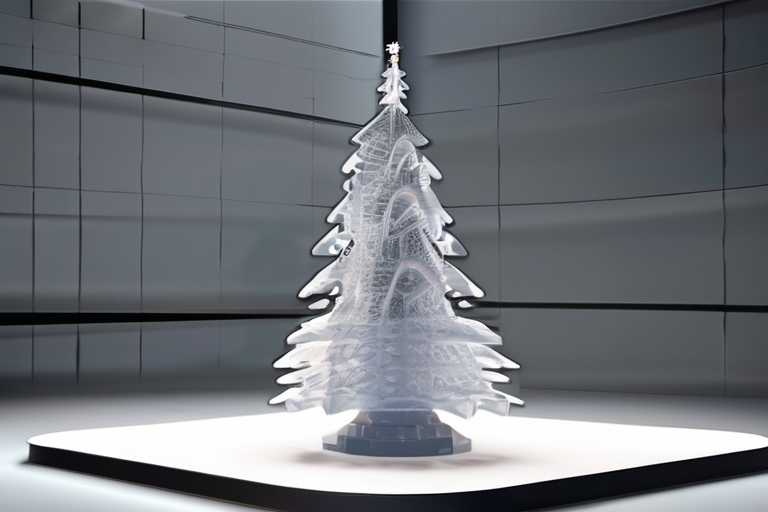
The 3D-printed ice tree, which stands at just 8 centimeters tall, was created using a custom-designed 3D printing process that incorporates evaporative cooling. According to Dr. Rodriguez, "The key to our success was the development of a specialized 3D printing material that can absorb and release moisture in a controlled manner, allowing us to create a stable ice structure without the need for external cooling."
The University of Amsterdam's achievement has sparked interest in the scientific community, with many experts hailing the breakthrough as a significant step forward in the field of cryogenics. Dr. John Taylor, a leading expert in cryogenics, noted, "This innovative approach to evaporative cooling has the potential to revolutionize the field and may lead to the development of more efficient and cost-effective cooling systems."
As for future developments, the University of Amsterdam team is already exploring the potential applications of their technology, including the creation of larger-scale ice structures and the development of more efficient cooling systems for industrial and commercial use. With the potential to transform the field of cryogenics and beyond, the 3D-printed ice tree is a testament to the innovative spirit of scientists and engineers working at the cutting edge of technology.
Physicists 3D-Print Revolutionary Ice Christmas Tree Using Evaporative Cooling
1
0
Multi-Source Journalism
This article synthesizes reporting from multiple credible news sources to provide comprehensive, balanced coverage.






























Share & Engage Share
Share this article