

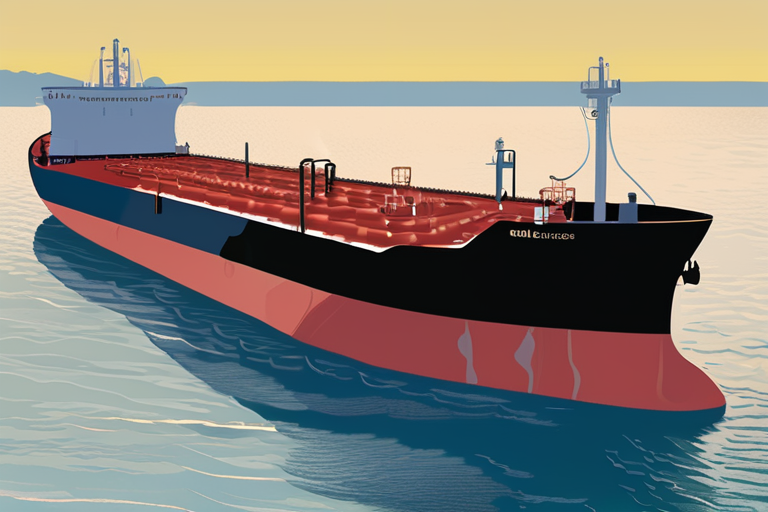
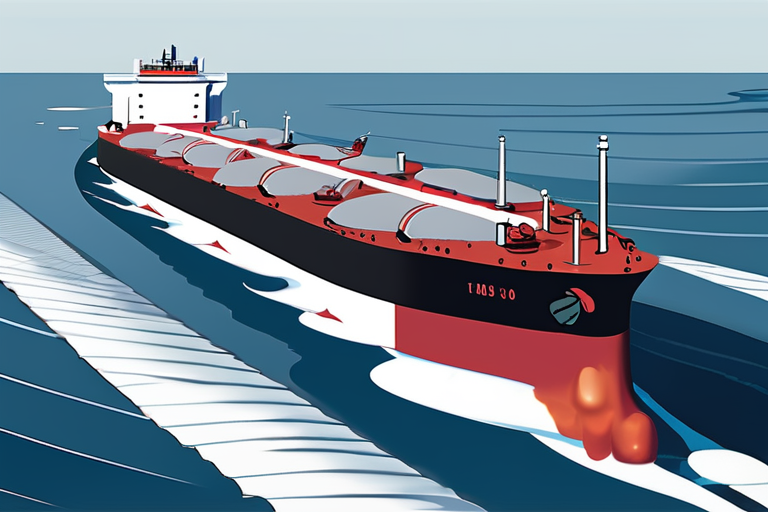
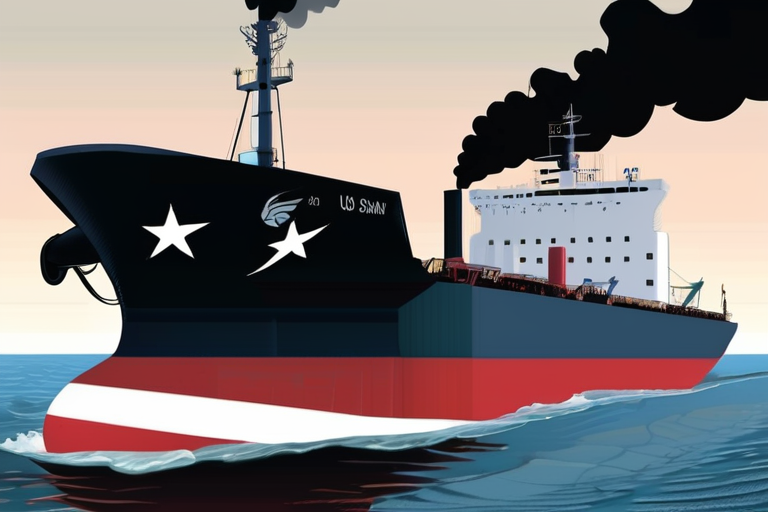
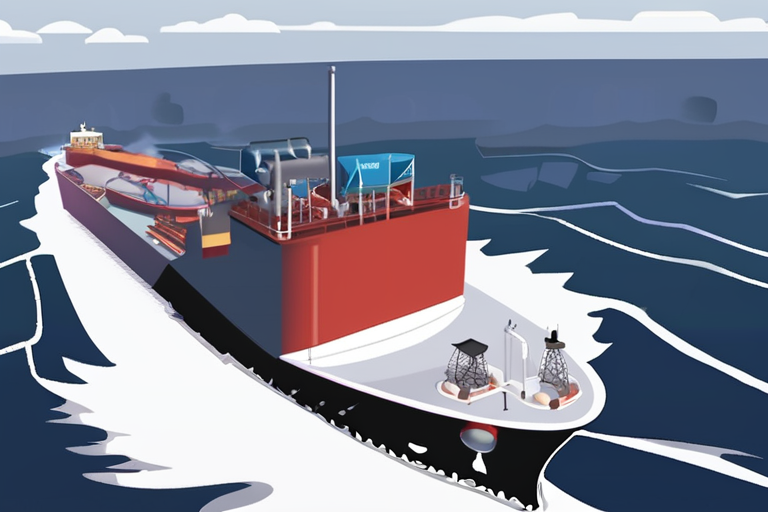
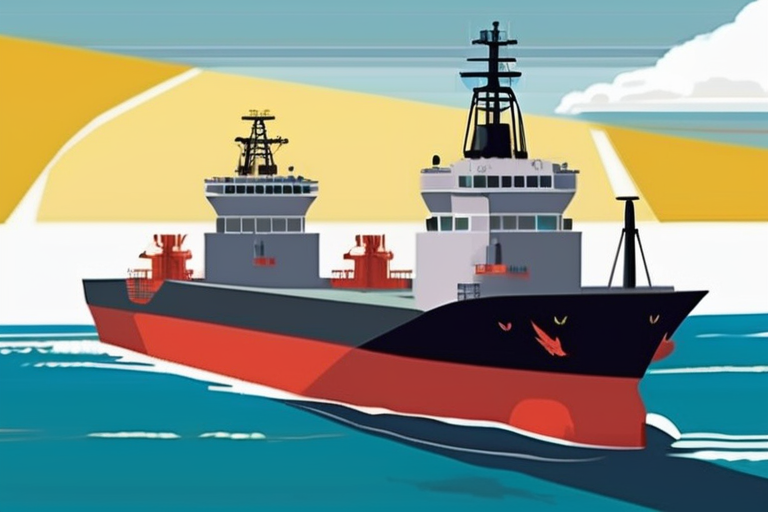
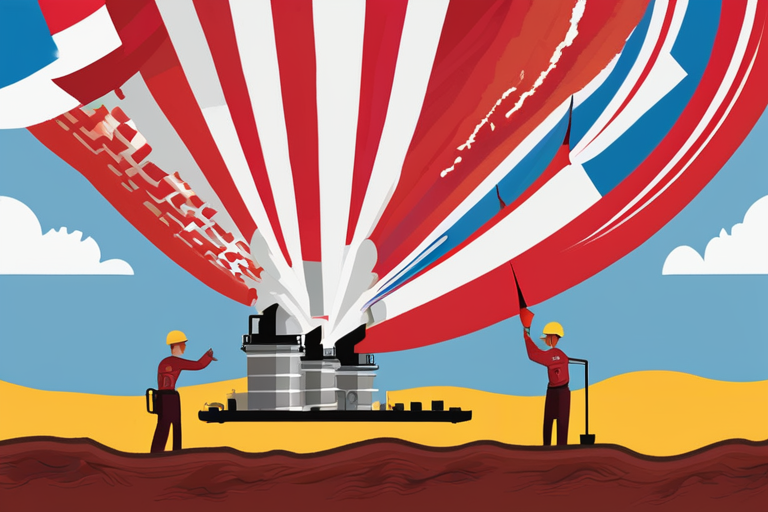
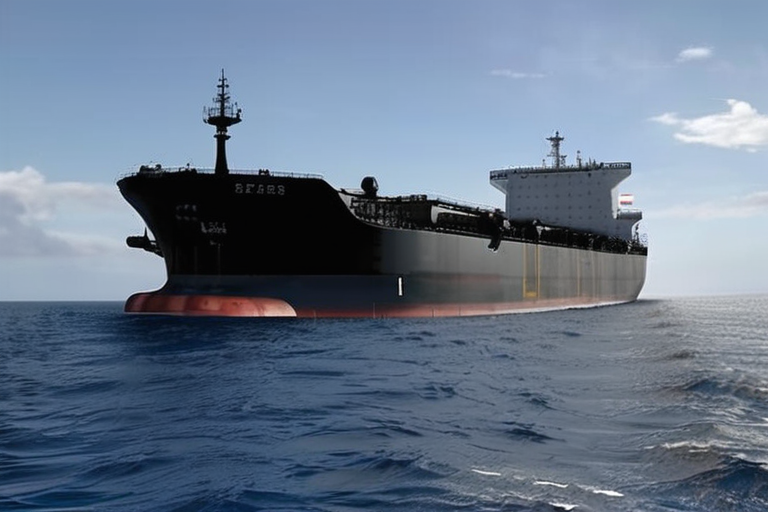
The U.S. government has seized a Venezuelan oil tanker and declared an oil blockade, a move that could have devastating consequences for the country's struggling economy and further pressure President Nicolás Maduro, according to geopolitical and energy analysts. The blockade, which is likely to be met with resistance from the Venezuelan government, could result in hyperinflation, a further weakening of its currency, an economic recession, and a fuel shortage for its citizenry.
Francisco Monaldi, director of the Latin America Energy Program at Rice University's Baker Institute for Public Policy, warned that the blockade could be catastrophic for Venezuela's economy, which relies heavily on oil exports. "This could be devastating," Monaldi said. "We're talking about an economy where more than 80, perhaps north of 90, of the foreign exchange revenues for the government comes from oil. The oil is absolutely dominant, and Venezuela's only other meaningful exports are modest mining and seafood industries."
The U.S. government's move is seen as a significant escalation of its pressure on the Venezuelan government, which has been accused of human rights abuses and authoritarianism. The blockade is likely to be met with resistance from the Venezuelan government, which has vowed to defend its sovereignty and economic interests.
Venezuela's economy has been in a state of crisis for years, with hyperinflation, food and medicine shortages, and a massive exodus of citizens fleeing the country. The country's oil industry, which was once a major driver of its economy, has been severely impacted by the crisis, with production levels plummeting in recent years.
The U.S. government's decision to impose an oil blockade is likely to have significant implications for the global oil market, with prices potentially rising as a result of reduced supply. The move is also likely to be met with opposition from other countries, including Russia and China, which have significant economic interests in Venezuela.
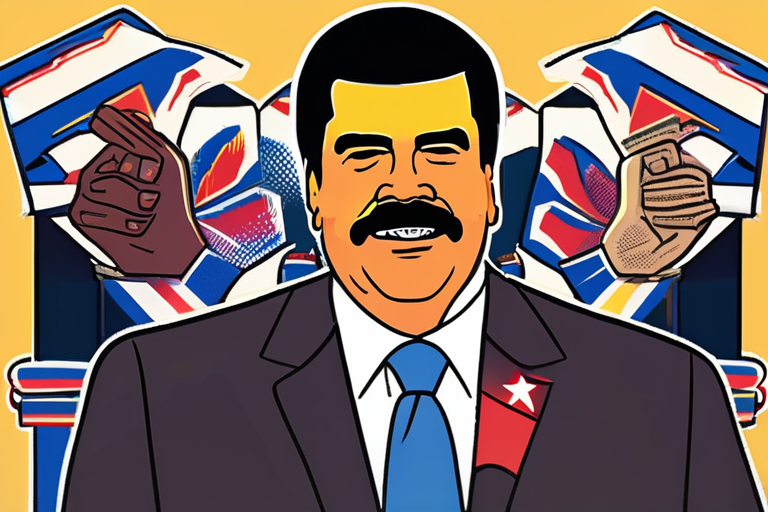
Monaldi noted that it is unlikely that President Maduro would willingly step down in the near future, and that the U.S. government's efforts to pressure him to do so are likely to be met with resistance. "Maduro is not going to step down anytime soon," Monaldi said. "He has a strong grip on power, and he is likely to use all means necessary to maintain it."
The U.S. government's decision to impose an oil blockade is part of a broader effort to pressure the Venezuelan government to reform and hold free and fair elections. The move is likely to be met with significant opposition from the Venezuelan government, and it remains to be seen how the situation will unfold in the coming weeks and months.
As of now, the Venezuelan government has vowed to defend its sovereignty and economic interests, and it remains to be seen how the situation will unfold. The U.S. government's decision to impose an oil blockade is likely to have significant implications for the global oil market, and it remains to be seen how the situation will affect oil prices and global energy markets.
US Oil Blockade on Venezuela: A Devastating Blow to Maduro's Economy
1
0
Multi-Source Journalism
This article synthesizes reporting from multiple credible news sources to provide comprehensive, balanced coverage.











Share & Engage Share
Share this article