

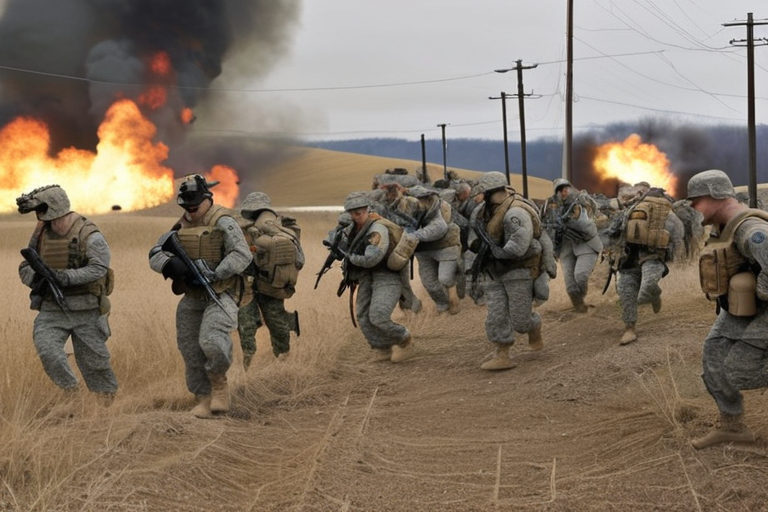
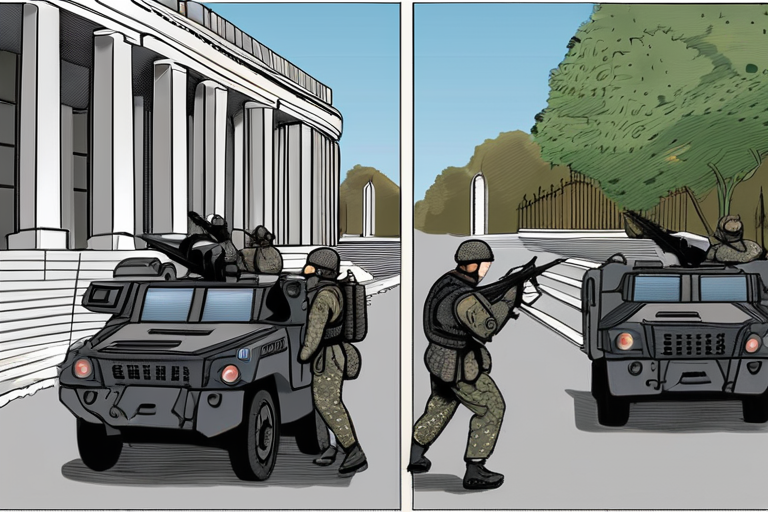
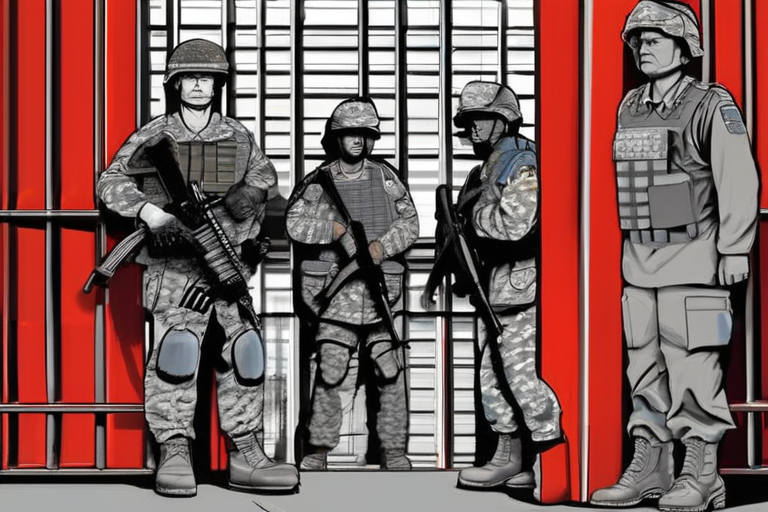
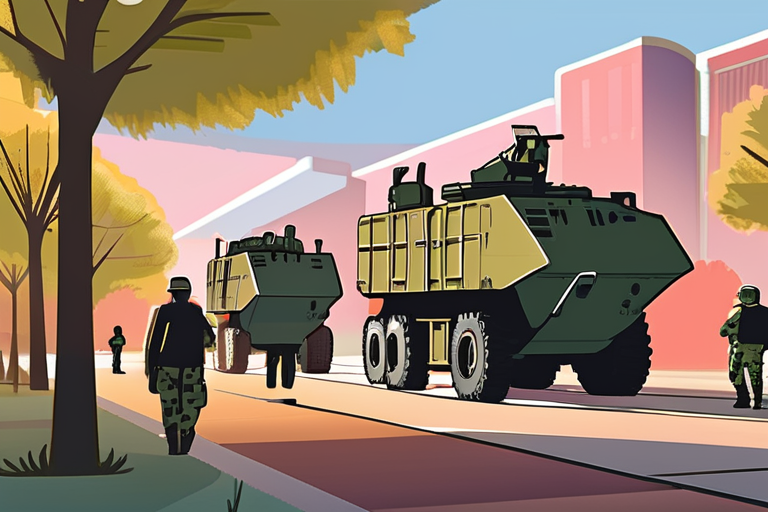
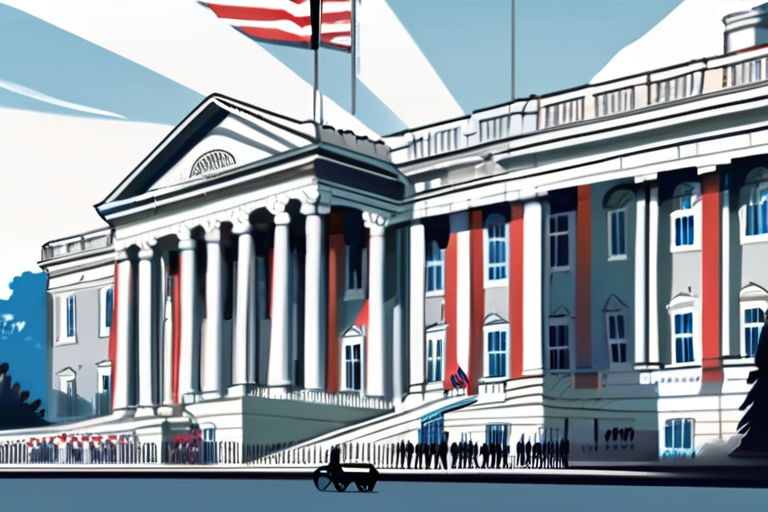
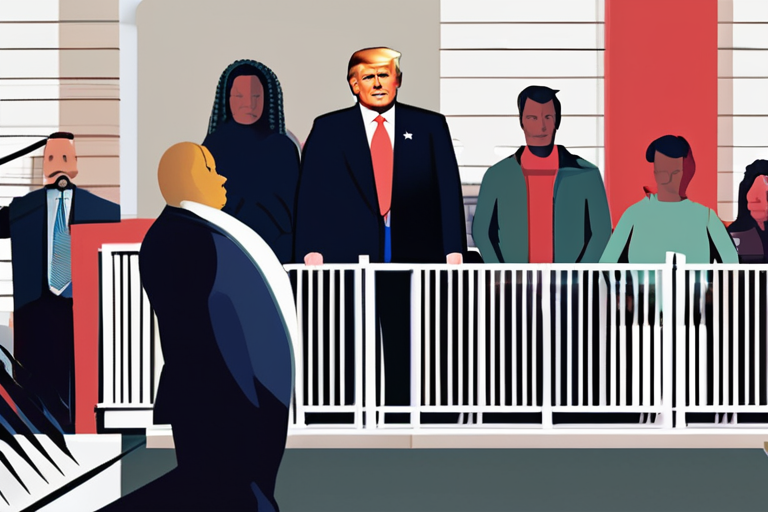
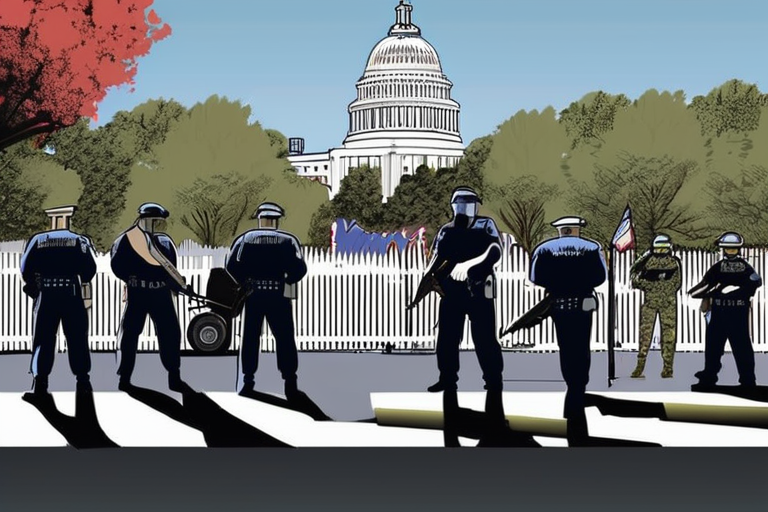
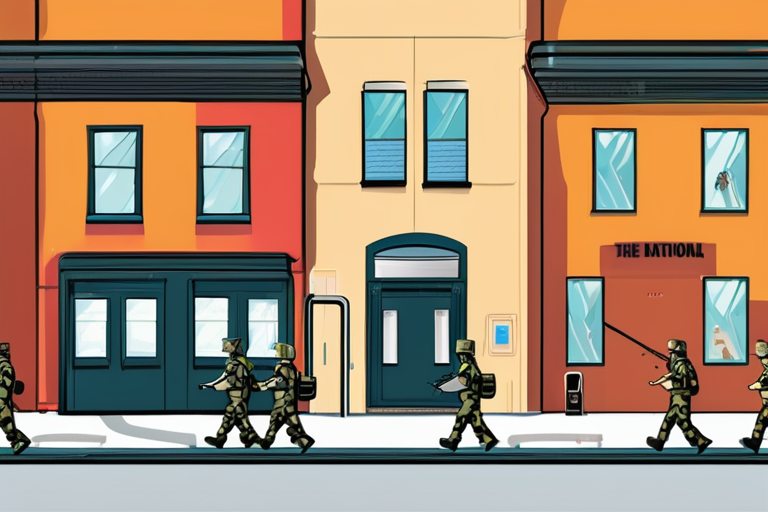
A panel of judges for the Federal Appeals Court for Washington, D.C. ruled Wednesday that National Guard troops can remain in the city while a panel examines whether the deployment ordered by President Trump is legal. This decision upends a lower court order that troops be removed from the city. Over 2,000 troops have been deployed in Washington, D.C. since August, both from the District and at least 11 Republican-led states. Hundreds more were added after a targeted attack on National Guard troops killed one and wounded another last month, both of whom were from West Virginia.
The deployment, which was initially intended to last for a short period, has now been prolonged due to the ongoing legal battle. The decision has sparked concerns among civil liberties groups, who argue that the prolonged deployment is a threat to the rights of citizens in the city. "This ruling is a clear indication that the federal government is willing to use the military to quell dissent and maintain control in Democratic-led cities," said a spokesperson for the American Civil Liberties Union. "We will continue to fight this deployment and ensure that the rights of citizens are protected."
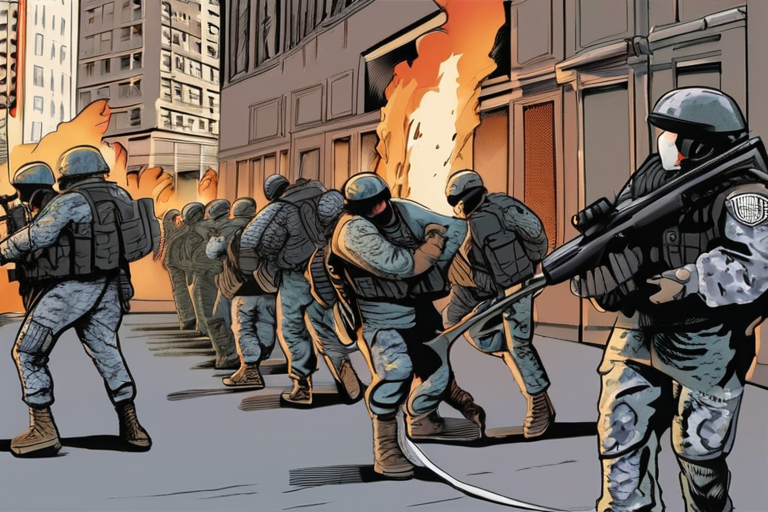
The deployment is part of a larger pattern of military deployments to help with policing in Democratic-led cities around the country. Several other smaller deployments are tied up in legal battles, including Trump's deployment to a city in a neighboring state. The decision has also raised questions about the role of the military in domestic law enforcement. "The use of the military in domestic policing is a slippery slope, and we must be careful not to erode the rights of citizens in the process," said a spokesperson for the National Association of Police Organizations.
The current status of the deployment remains unclear, but it is expected that the panel of judges will continue to examine the legality of the deployment in the coming weeks. The decision has sparked widespread debate and concern among citizens, civil liberties groups, and law enforcement organizations. As the situation continues to unfold, it remains to be seen how the deployment will ultimately be resolved.
In related news, the targeted attack on National Guard troops last month has raised concerns about the safety of troops deployed in the city. The attack, which killed one and wounded another, was widely condemned by officials and citizens alike. The incident has led to increased security measures in the city, with hundreds more troops being deployed to provide additional support.
The deployment has also raised questions about the role of the military in domestic law enforcement. The use of the military in policing is a complex issue, and experts say that it is essential to balance the need for public safety with the need to protect individual rights. "The use of the military in domestic policing is a delicate balance, and we must be careful not to erode the rights of citizens in the process," said a spokesperson for the National Association of Police Organizations.
As the situation continues to unfold, it remains to be seen how the deployment will ultimately be resolved. The decision has sparked widespread debate and concern among citizens, civil liberties groups, and law enforcement organizations. The current status of the deployment remains unclear, but it is expected that the panel of judges will continue to examine the legality of the deployment in the coming weeks.
Federal Appeals Court Blocks Troop Withdrawal in D.C., Prolonging Deployment Halt
1
0

Multi-Source Journalism
This article synthesizes reporting from multiple credible news sources to provide comprehensive, balanced coverage.









Share & Engage Share
Share this article