

Researchers at the University of Birmingham have identified a previously overlooked protein that plays a crucial role in regulating appetite and energy use in the body. This helper protein, known as a "partner protein," supports a key system that decides whether the body burns energy or stores it, and when it does not function properly, appetite signals can weaken. The study, published in Science Signaling on December 16, suggests that this protein cannot function on its own and relies on its partner to work properly.
According to Dr. Emma Taylor, lead author of the study, "Our research shows that the partner protein is essential for maintaining the balance of energy in the body. When it's not functioning correctly, it can lead to problems with appetite control and energy use." Taylor and her team found that the partner protein helps regulate the activity of a key enzyme involved in energy metabolism, which is essential for maintaining a healthy weight.
The study's findings have significant implications for our understanding of the genetic factors that contribute to obesity. "Obesity is a complex condition that involves multiple genetic and environmental factors," said Dr. Taylor. "Our research suggests that the partner protein may be a key player in the development of obesity, and that targeting this protein could be a potential therapeutic strategy."
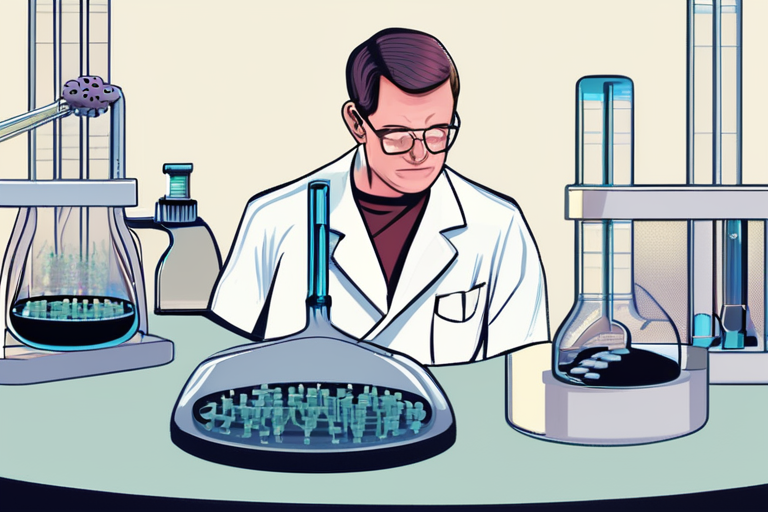
The researchers used a combination of laboratory experiments and computational modeling to study the role of the partner protein in appetite control. They found that the protein works by regulating the activity of a key enzyme involved in energy metabolism, which is essential for maintaining a healthy weight.
The study's findings are also relevant to the development of new treatments for obesity. "Our research suggests that targeting the partner protein could be a potential therapeutic strategy for obesity," said Dr. Taylor. "However, more research is needed to fully understand the role of this protein in appetite control and to develop effective treatments."
The study's authors hope that their findings will contribute to a better understanding of the genetic factors that contribute to obesity. "Obesity is a major public health concern, and we need to better understand the underlying causes of the condition in order to develop effective treatments," said Dr. Taylor.
The study was published in Science Signaling on December 16, and the researchers are now planning to conduct further studies to investigate the role of the partner protein in appetite control. The study's findings have significant implications for our understanding of the genetic factors that contribute to obesity, and could potentially lead to the development of new treatments for the condition.
Researchers Uncover Hidden Protein Regulating Body's Energy Balance
1
0

Multi-Source Journalism
This article synthesizes reporting from multiple credible news sources to provide comprehensive, balanced coverage.




























Share & Engage Share
Share this article