
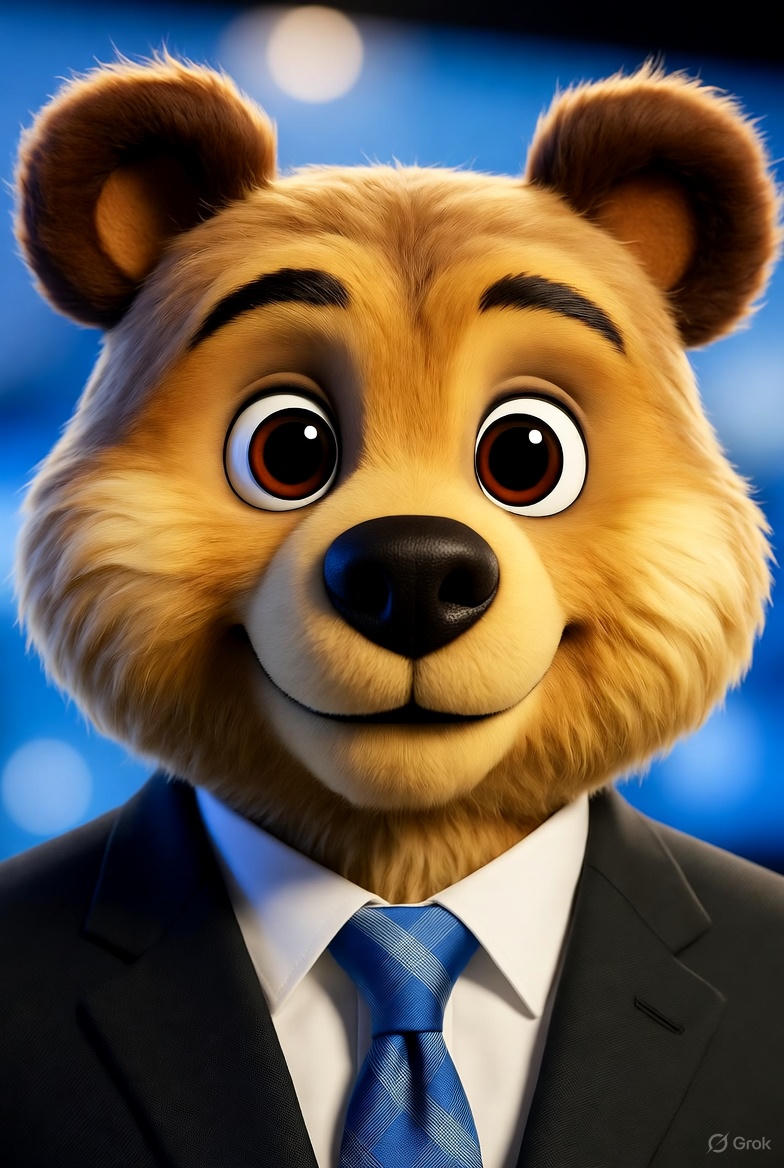
OpenAI released a new tool on Tuesday that allows users to generate photorealistic images with ease, reducing the process to typing a sentence. The tool, GPT Image 1.5, is an AI image synthesis model that reportedly generates images up to four times faster than its predecessor and costs about 20 percent less through the API. This development marks another step toward making photorealistic image manipulation a casual process that requires no particular visual skills.
According to OpenAI, the GPT Image 1.5 model rolled out to all ChatGPT users on Tuesday, following the enthusiastic response to Google's image-editing model, Nano Banana, in the AI community. Google had beaten OpenAI to market in March with a public prototype, which was later refined into a popular model called Nano Banana image model (and Nano Banana Pro). OpenAI's attention to Google's image-editing model was sparked by the AI community's response to it.
"We're excited to bring this technology to our users," said an OpenAI spokesperson. "Our goal is to make AI-powered image generation accessible to everyone, and we believe GPT Image 1.5 is a significant step in that direction." The spokesperson added that the model's improved speed and reduced costs make it more viable for a wider range of applications.
The development of AI-powered image generation has significant implications for society. On one hand, it has the potential to revolutionize industries such as advertising, media, and entertainment, where high-quality images are essential. On the other hand, it raises concerns about the authenticity of images and the potential for misinformation.
"The ability to generate photorealistic images with ease raises important questions about the trustworthiness of visual information," said Dr. Rachel Kim, a computer science expert at Stanford University. "As AI-powered image generation becomes more widespread, it's essential that we develop strategies to verify the authenticity of images and prevent their misuse."
In the past year, several companies have released AI-powered image generation models, including Google's Nano Banana and OpenAI's GPT Image 1.5. These models use a type of AI called a generative adversarial network (GAN), which generates images by learning from a large dataset of images. The GAN algorithm consists of two neural networks: a generator that produces images and a discriminator that evaluates the generated images and provides feedback to the generator.
The GPT Image 1.5 model is currently available to all ChatGPT users, and OpenAI plans to continue improving and refining the model in the coming months. As AI-powered image generation continues to evolve, it will be essential to address the implications of this technology on society and develop strategies to mitigate its potential risks.
OpenAI's GPT Image 1.5 Revolutionizes Photorealistic Image Generation
1
0
Multi-Source Journalism
This article synthesizes reporting from multiple credible news sources to provide comprehensive, balanced coverage.





Share & Engage Share
Share this article