

In the quiet suburban streets of New Jersey, a grassroots movement has been brewing, fueled by concerns over the impact of data centers on local communities. For residents like Sarah, a working mother of two, the issue is personal. Her family's electricity bills have skyrocketed since the construction of a massive data center in their neighborhood, and she's not alone. As the Working Families Party (WFP) notes, data centers are becoming a contentious issue across the country, with many communities feeling the strain of their presence.
The WFP, a progressive political organization founded in New York in the late 1990s, has been at the forefront of this movement. With chapters in states across the country, the party has been listening to the concerns of working families and working people, who are increasingly worried about the impact of data centers on their communities. "We see our role as responding to what working families and working people are concerned about, what issues are keeping them up at night," says Ravi Mangla, the national press secretary for the WFP. "We would be ignoring the needs of our constituents if we were not responding to the issue of data centers and their impacts on communities."
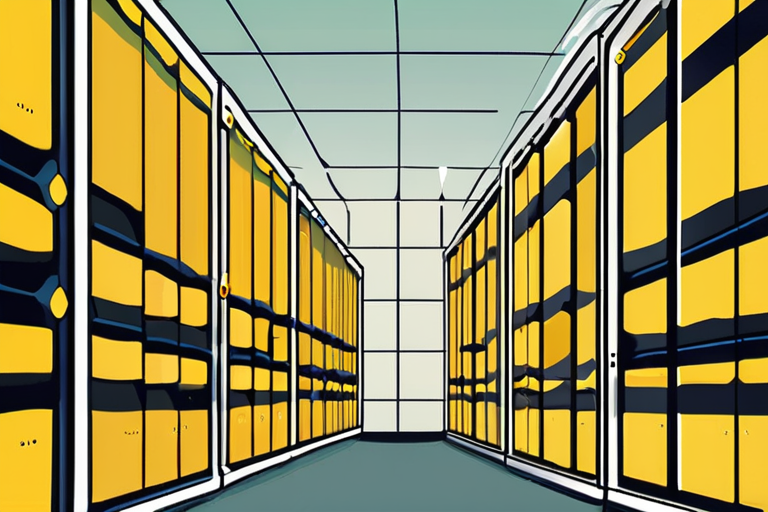
Data centers are massive facilities that house computer servers and other equipment, storing and processing vast amounts of data for companies like Google, Amazon, and Facebook. While they may seem like a necessary part of the digital age, their impact on local communities is far from negligible. From increased electricity bills to strain on local infrastructure, data centers can have a profound effect on the daily lives of residents.
For Sarah and her family, the issue is not just about the financial burden of data centers. It's also about the impact on their quality of life. "We used to be able to afford our home, but now we're struggling to make ends meet," she says. "It's not just about the money; it's about the stress and anxiety that comes with it." Sarah's story is not unique, and it's one that the WFP is determined to amplify.
In recent weeks, the issue of data centers has gained national attention, with three Democrats in the Senate sending letters to Big Tech companies seeking information about their impact on electricity bills. Senator Bernie Sanders, the independent from Vermont, has even called for a moratorium on data center construction, citing concerns about their environmental and social impact.
The WFP sees this growing momentum as an opportunity to mobilize working families and working people to take action. "We're not just talking about data centers; we're talking about the broader issues of inequality and economic justice," says Mangla. "We believe that by empowering working families and working people to run for office, we can create a more just and equitable society."
For Sarah and her family, the prospect of running for office is daunting, but it's also a chance to make a difference. "I never thought I'd be the type of person to run for office, but hearing the WFP's message has given me the courage to take a stand," she says. "I want to make sure that my community is heard, and that our concerns are taken seriously."
As the WFP continues to mobilize working families and working people to run for office, the implications of this movement are far-reaching. It's not just about data centers; it's about the future of our communities and the kind of society we want to build. As Mangla notes, "We're not just responding to the needs of our constituents; we're creating a movement that will shape the course of our country's history."
In the end, it's not just about the data centers; it's about the people who are impacted by them. It's about the families who are struggling to make ends meet, the communities that are feeling the strain of their presence, and the working people who are demanding a better future. As Sarah puts it, "I want to make sure that my community is heard, and that our concerns are taken seriously. We deserve a say in the decisions that affect our lives."
Data Centers Spark Community Backlash: New Jersey Residents Mobilize Against Local Impact
1
0
Multi-Source Journalism
This article synthesizes reporting from multiple credible news sources to provide comprehensive, balanced coverage.


























Share & Engage Share
Share this article