
Shares fell sharply in 2025 for companies that invested heavily in technologies that failed to deliver on their promises, according to a recent report. The Download, a daily newsletter that tracks the tech industry, released its annual list of the worst technology flops of the year, highlighting eight notable examples of failed innovations. The report noted that these failures often resulted from over-reliance on power and a lack of practical applications.
The list included a smart home device that required a constant internet connection to function, a wearable fitness tracker that drained batteries in under an hour, and a smart bike helmet that failed to provide adequate protection in the event of a crash. "These products were often designed with hype and marketing in mind, rather than practicality and user experience," said Antonio Regalado, author of The Download. "As a result, they ended up being more of a hindrance than a help to consumers."
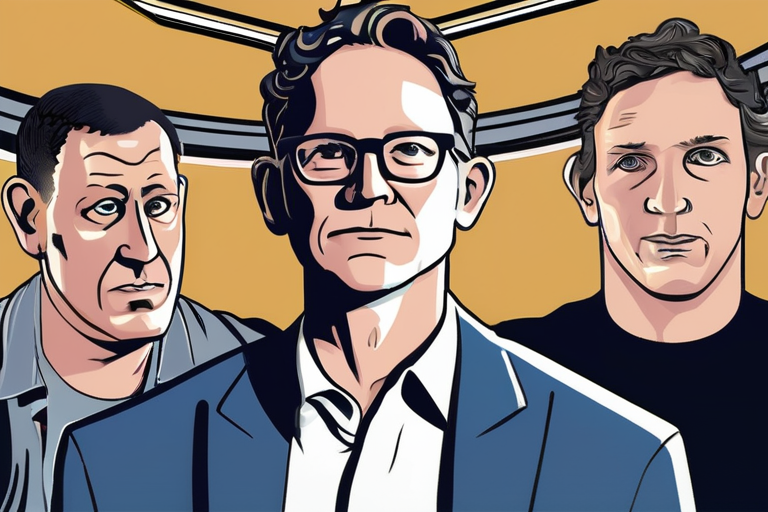
Sam Altman, the CEO of OpenAI, has been a key figure in shaping the public's perception of artificial intelligence (AI) in recent years. According to Regalado, Altman's words have often set the agenda for the industry, with his predictions and promises of AI's capabilities influencing the development of new technologies. "Altman's hype has been a double-edged sword," Regalado noted. "While it has driven innovation and investment in AI, it has also created unrealistic expectations and a sense of urgency that has led to some of the worst technological misadventures of the year."
The failures highlighted in The Download's report serve as a reminder of the importance of practicality and user experience in the development of new technologies. As the tech industry continues to evolve and advance, companies would do well to learn from these mistakes and focus on creating products that truly meet the needs of consumers.
The report also noted that the failures of 2025 were not limited to consumer-facing products, but also included enterprise software and hardware that failed to deliver on their promises. "The tech industry has a tendency to chase the next big thing, without fully considering the practical implications of their innovations," Regalado said. "As a result, we often see a lot of waste and inefficiency in the development process."
In response to the report, OpenAI released a statement saying that it was committed to developing AI technologies that are safe, reliable, and practical. "We understand that AI has the potential to be a game-changer for many industries, but we also recognize the importance of getting it right," the statement read. "We are working hard to ensure that our technologies are developed with the needs of consumers and businesses in mind."
As the tech industry looks to the future, it is clear that the lessons of 2025 will be an important part of the conversation. By prioritizing practicality and user experience, companies can avoid the pitfalls of hype and focus on creating technologies that truly make a difference.
Tech's Biggest Disappointments of 2025 Revealed: AI Hype and Flops Exposed
1
0
Multi-Source Journalism
This article synthesizes reporting from multiple credible news sources to provide comprehensive, balanced coverage.




















Share & Engage Share
Share this article