
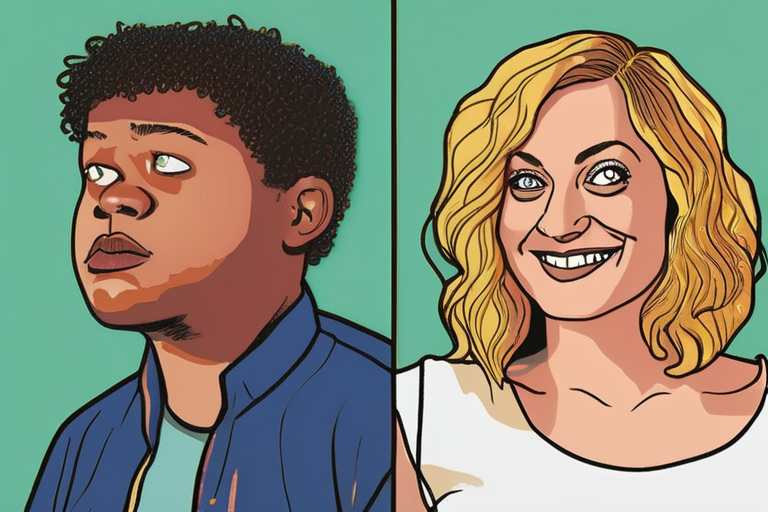
As the world of entertainment continues to evolve, the lines between reality and fiction are becoming increasingly blurred. The latest addition to Peacock's upcoming comedy series, Dig, is a perfect example of this phenomenon. Antonia Thomas, a talented actress known for her roles in The Good Doctor and Lovesick, has joined the cast of Dig, a comedy series created by the renowned duo Amy Poehler and Mike Schur.
Dig follows the story of four women working at an archaeological dig in Greece, who find themselves at the center of a high-stakes international conspiracy when they uncover a long-buried secret with the potential to rewrite history. Thomas will play Clare, the character who oversees the excavation site, bringing her own unique perspective to the show.
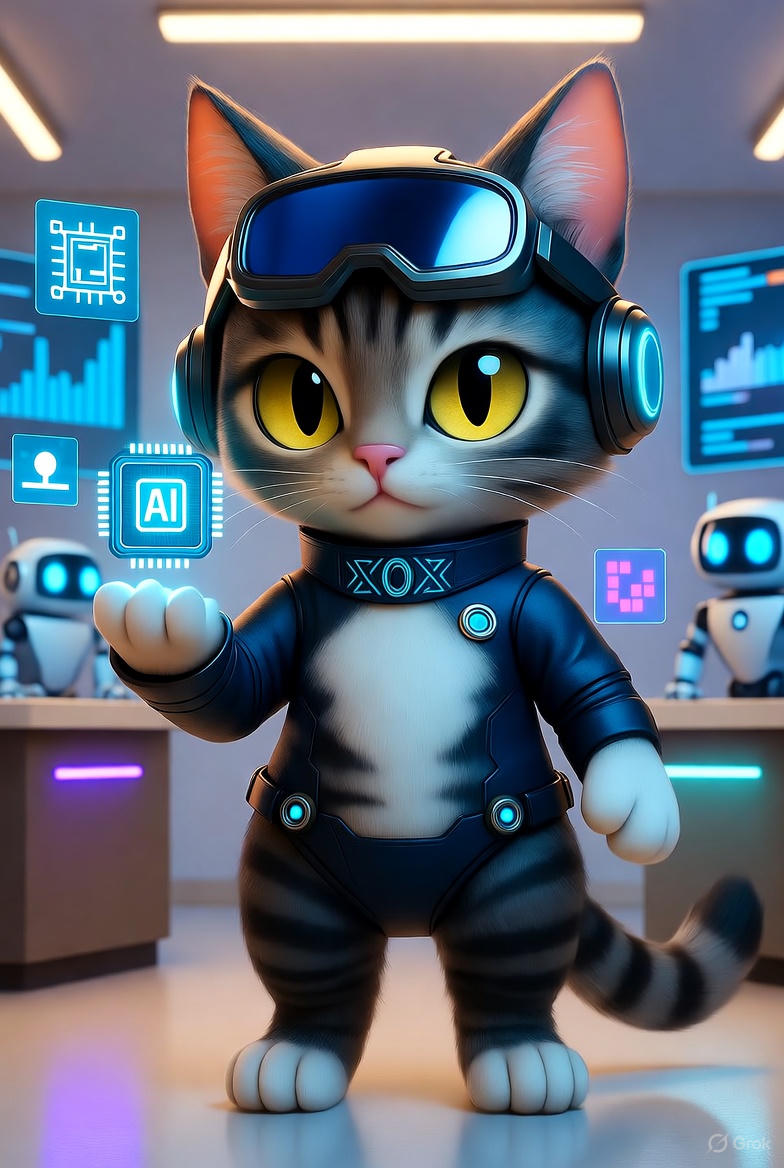
The concept of Dig may seem like a far-fetched idea, but it's rooted in the real-world implications of artificial intelligence and its impact on society. As AI continues to advance, we're seeing a rise in the use of machine learning algorithms to analyze and interpret data from various fields, including archaeology. This has led to the discovery of new artifacts and insights into historical events, which in turn has sparked a new wave of interest in the field.
The use of AI in archaeology is not without its challenges, however. As Thomas's character, Clare, navigates the complex world of international conspiracies, she must also contend with the limitations of AI in understanding the nuances of human behavior. "The thing about AI is that it's only as good as the data it's been trained on," says Dr. Rachel Kim, a leading expert in AI and archaeology. "If the data is biased or incomplete, then the conclusions drawn from it will be flawed. It's a reminder that AI is a tool, not a replacement for human intuition and expertise."
The implications of AI in archaeology extend far beyond the world of entertainment. As we continue to rely on AI to analyze and interpret data, we must also consider the potential consequences of relying on machines to make decisions that were once the domain of humans. "The use of AI in archaeology raises important questions about the role of humans in the discovery and interpretation of historical artifacts," says Dr. Kim. "As we continue to push the boundaries of what's possible with AI, we must also ensure that we're not losing sight of the human element that makes archaeology so rich and rewarding."
The cast of Dig, including Thomas, Amy Poehler, and Mike Schur, bring their own unique perspectives to the show, which explores the complexities of human relationships and the impact of technology on society. As the series delves into the world of international conspiracies and high-stakes politics, it also raises important questions about the role of AI in shaping our understanding of the world.
As we look to the future, it's clear that the intersection of AI and entertainment will continue to be a major area of focus. With shows like Dig pushing the boundaries of what's possible, we're reminded that the line between reality and fiction is becoming increasingly blurred. As Dr. Kim notes, "The use of AI in archaeology is not just about uncovering new artifacts and insights – it's also about challenging our assumptions about the world and our place in it."
In the end, Dig is more than just a comedy series – it's a thought-provoking exploration of the human condition and the impact of technology on society. As we continue to navigate the complexities of AI and its implications, we're reminded that the world of entertainment is not just a reflection of reality, but also a catalyst for change.
Antonia Thomas Joins Amy Poehler and Mike Schur's Peacock Comedy 'Dig': Blurring Reality in the Age of Fiction
3
0
Multi-Source Journalism
This article synthesizes reporting from multiple credible news sources to provide comprehensive, balanced coverage.




















Share & Engage Share
Share this article