

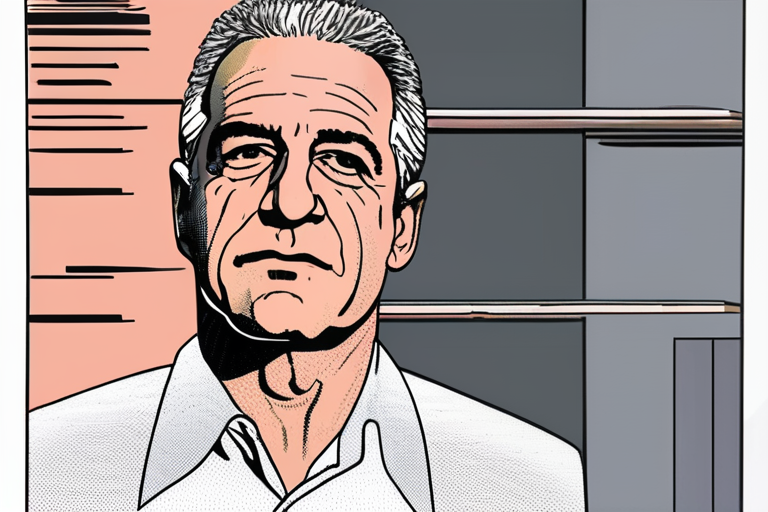
In the dimly lit corridors of the FBI, a 27-year-old file sat quietly, waiting to be unearthed. It was 1996, and a young agent had scribbled down a report that would later become a crucial piece of evidence in the Jeffrey Epstein saga. The document, part of the thousands of files released by the Justice Department, revealed a red flag about the sex offender that had been overlooked for nearly two decades. This was one of the few revelations in the Epstein files that shed light on the early warning signs of a predator who would go on to abuse countless young women and underage girls.
The Epstein files, released in a piecemeal fashion, have left many wondering if the truth about the financier's crimes will ever be fully revealed. The documents, which include photographs, call logs, grand jury testimony, and interview transcripts, offer a glimpse into the government's investigation of Epstein's sex abuse allegations. However, the incomplete document dump has raised more questions than answers, leaving many to wonder if the Justice Department is hiding something.
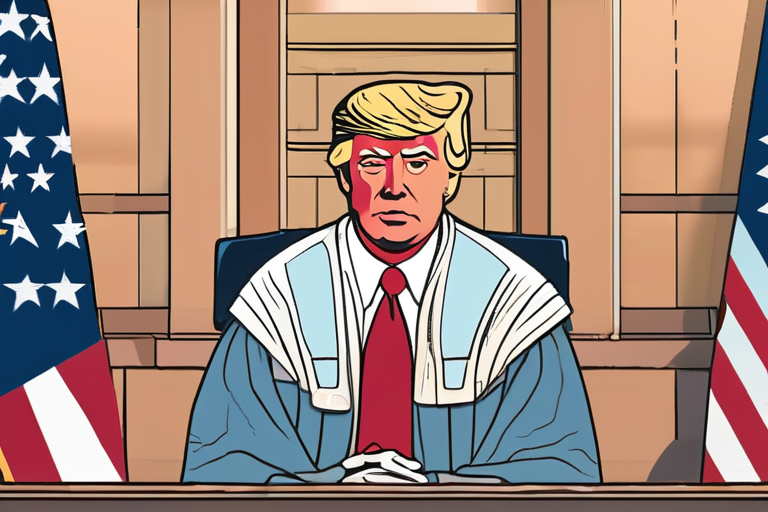
Epstein's connections to the powerful and wealthy have been well-documented, but the files reveal a more nuanced picture of his relationships. The records show that Epstein had a close friendship with President Bill Clinton, who flew on Epstein's jet and invited him to the White House. However, there is almost no mention of another high-profile friend, President Donald Trump, aside from a few well-known images. The lack of information about Trump's relationship with Epstein has sparked speculation about the nature of their friendship.
The 1996 FBI report, which was obtained by the Justice Department, details a conversation between Epstein and a woman who claimed he had molested her. The report states that Epstein had a history of "inappropriate" behavior with young women and that he had been accused of molesting a 14-year-old girl. The agent who wrote the report noted that Epstein's behavior was "suspicious" and that he had a "pattern of behavior" that was "inconsistent with normal behavior."
The report was never acted upon, and Epstein continued to operate with relative impunity. It wasn't until 2005, when a woman came forward with allegations of sex abuse, that the investigation into Epstein's crimes began in earnest. The files reveal a complex web of relationships and alliances that allowed Epstein to evade accountability for nearly two decades.
Experts say that the Epstein files offer a cautionary tale about the failure of the justice system to protect vulnerable victims. "The Epstein case is a classic example of how the justice system can fail to hold powerful individuals accountable," said Dr. Laura Lederer, a leading expert on human trafficking. "The fact that Epstein was able to operate with such impunity for so long is a testament to the systemic failures that allow predators to thrive."
The release of the Epstein files has sparked renewed calls for greater transparency and accountability in the justice system. "The Epstein case is a reminder that we need to do more to protect victims of sex abuse and to hold perpetrators accountable," said Senator Ron Wyden, a leading advocate for victims' rights. "We need to ensure that the justice system is working for victims, not for the powerful and wealthy."
As the Epstein files continue to be parsed, one thing is clear: the case is far from over. The Justice Department's incomplete document dump has raised more questions than answers, and it remains to be seen whether the truth about Epstein's crimes will ever be fully revealed.
FBI File from 1996 Reveals Early Warning Signs of Jeffrey Epstein's Crimes
1
0
Multi-Source Journalism
This article synthesizes reporting from multiple credible news sources to provide comprehensive, balanced coverage.




























Share & Engage Share
Share this article