

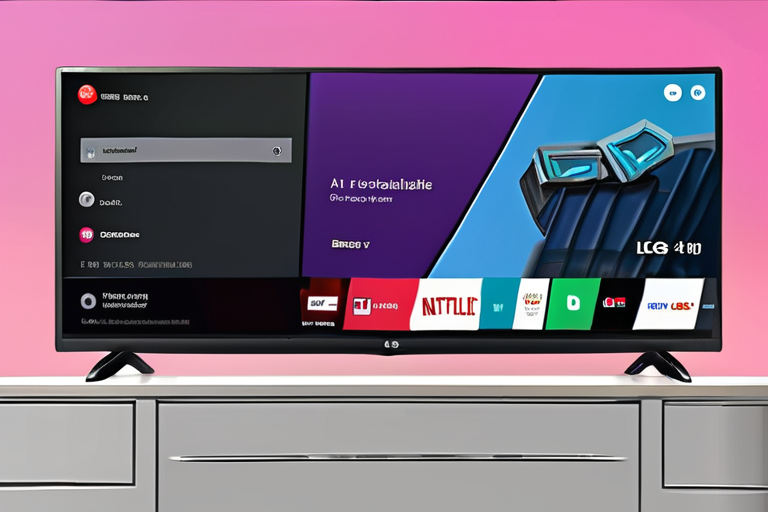
LG customers were upset by an unremovable Microsoft Copilot installation on their smart TVs after a firmware update forced the generative AI software onto some devices. The controversy began on Saturday when a Reddit user posted about the sudden appearance of a Microsoft Copilot icon on their LG TV, claiming that the software could not be deleted. The Reddit user stated, "Pre-installed crap is universally dogshit. If I wanted it, I'd have installed it myself eventually. The whole reason it's bundled is because no one would choose it. Burn your television," which garnered 36,000 upvotes as of this writing.
LG has since admitted to using a webOS update to install Copilot on some of its TVs, sparking concerns about the company's handling of user data and the implications of forced AI installations. When asked about the decision to install Copilot, an LG spokesperson stated, "We strive to provide our customers with the best possible viewing experience, and we believe that Microsoft Copilot is a valuable addition to our smart TV platform." However, some critics argue that the installation of Copilot without user consent raises questions about the company's commitment to user autonomy and data privacy.
The controversy surrounding LG's forced installation of Copilot highlights the growing concerns about the use of AI in consumer electronics. As AI technology becomes increasingly prevalent in our daily lives, questions arise about who has control over the data and software that govern our devices. "The fact that LG was able to install Copilot without user consent is a clear example of the need for greater transparency and accountability in the development and deployment of AI-powered consumer electronics," said Dr. Rachel Kim, a leading expert in AI ethics.
The incident also raises questions about the role of AI in shaping our digital experiences. While AI-powered features like Copilot can enhance the functionality of smart TVs, they also raise concerns about data collection and user surveillance. "As AI becomes more integrated into our daily lives, we need to have a more nuanced conversation about the implications of these technologies and the responsibilities that come with them," said Dr. Kim.
In response to the controversy, LG has announced that it will provide users with the option to opt-out of future AI installations, including Copilot. However, the company has not provided a clear timeline for when this feature will be available. As the debate surrounding AI-powered consumer electronics continues to unfold, one thing is clear: the implications of these technologies will have far-reaching consequences for society, and it is up to companies like LG to prioritize transparency, accountability, and user autonomy.
The incident has also sparked a wider conversation about the role of AI in consumer electronics and the need for greater regulation and oversight. "This incident highlights the need for greater regulation and oversight of AI-powered consumer electronics," said Senator Maria Rodriguez, a leading advocate for AI ethics. "We need to ensure that companies like LG are held accountable for their actions and that users have the right to control their own data and devices."
LG's Forced Copilot Installation Exposes Smart TV AI Vulnerabilities
1
0
Multi-Source Journalism
This article synthesizes reporting from multiple credible news sources to provide comprehensive, balanced coverage.






























Share & Engage Share
Share this article