More than 300,000 people have been newly displaced in Mozambique since July due to the expanding Islamic State insurgency, raising concerns about the government's ability to resolve the conflict. The ongoing violence, coupled with dwindling foreign aid, has exacerbated the humanitarian crisis in the region, where over one million people have been displaced, some multiple times.
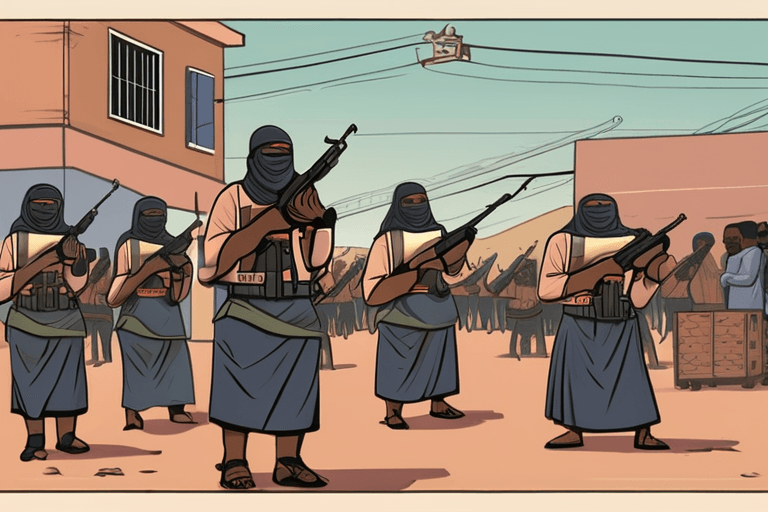
The insurgency, led by Islamic State-Mozambique, an affiliate of the main IS group, began in October 2017 with attacks in Mocímboa da Praia in Cabo Delgado province. The group exploited existing grievances and socio-economic inequalities in the predominantly Muslim northern region, attracting disenfranchised youth with promises of economic opportunity and a stricter interpretation of Islamic law. This recruitment strategy mirrored similar tactics employed by IS affiliates in other parts of Africa and the Middle East, highlighting the group's global reach and adaptability.
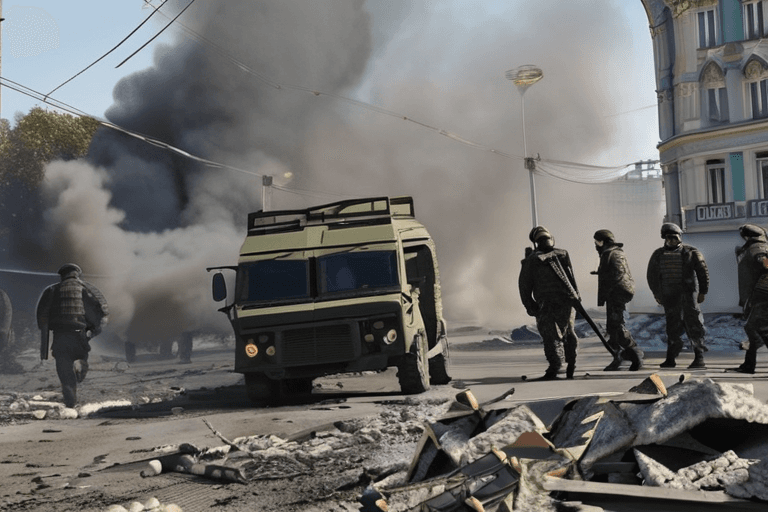
Neither the Mozambican army nor a Rwandan intervention force has been successful in quelling the insurgency. The conflict has been marked by increasing violence against civilians, including beheadings, kidnappings, and the destruction of villages. The United Nations and various human rights organizations have documented widespread human rights abuses committed by both the insurgents and government forces.
The crisis in Mozambique has received comparatively less international attention than conflicts in Ukraine, Gaza, and Sudan, leading to a reduction in foreign aid. This disparity in attention and resources underscores the challenges faced by humanitarian organizations in addressing multiple crises simultaneously, particularly in regions perceived as less strategically important by major global powers. The lack of international focus also allows the insurgency to fester, potentially destabilizing the entire region.
The displacement crisis is further compounded by food insecurity, limited access to clean water and sanitation, and inadequate healthcare services. Displaced communities are often forced to rely on already strained resources in host communities, leading to increased competition and potential for conflict. The long-term consequences of the conflict include the disruption of education, the loss of livelihoods, and the erosion of social cohesion.









Discussion
0 comments
Share Your Thoughts
Your voice matters in this discussion
Login to join the conversation
No comments yet
Be the first to share your thoughts!