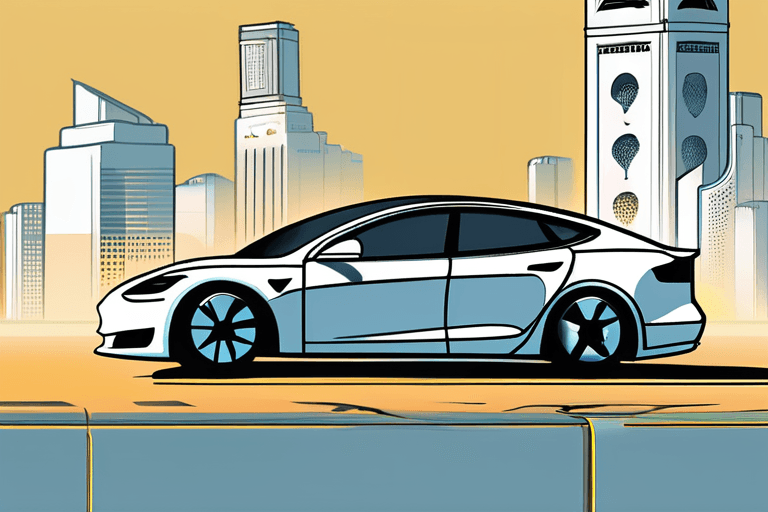
Tesla's soaring stock price, recently hitting a record high this month, is fueled in part by investor confidence in the company's potential to dominate the nascent driverless taxi market, estimated to be worth trillions of dollars. However, on-the-ground realities suggest Tesla faces significant hurdles in realizing this ambition.
While Wall Street bets big on Tesla's robotaxi future, the company's current deployment lags significantly behind competitors. In Austin, Texas, where Tesla launched its robotaxi service in June, approximately 30 vehicles have been deployed, according to independent tracking. This contrasts sharply with Waymo, Alphabet's autonomous driving division, which began operating in Austin in March and currently has around 200 vehicles in the city. Waymo's broader operations include over 2,500 vehicles across five cities, offering paid rides.
The disparity extends beyond sheer numbers. While some Tesla vehicles have been observed operating autonomously without occupants in Austin, all Tesla robotaxis carrying paying passengers still require a human safety driver. Waymo, on the other hand, operates its Austin fleet entirely without human monitors. This difference in technological maturity has significant implications for cost and scalability.
The robotaxi market represents a potentially transformative shift in urban transportation, attracting substantial investment and competition. Tesla's success in this arena is crucial for justifying its high valuation and achieving its long-term growth targets. However, the company's current position suggests it needs to accelerate its technological development and deployment to effectively compete with established players like Waymo.
Looking ahead, Tesla's ability to overcome its current limitations will determine its success in capturing a significant share of the robotaxi market. The company's progress in achieving full autonomy, expanding its operational footprint, and reducing its reliance on human safety drivers will be closely watched by investors and industry observers alike.


















Discussion
Join the conversation
Be the first to comment